How to Prune Cane bluestem?
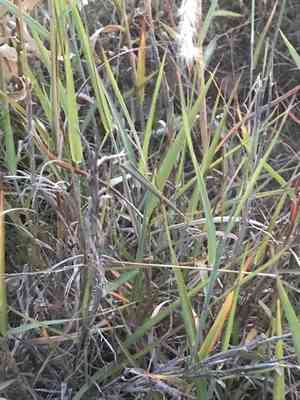
Cane bluestem, a perennial grass thriving in warmer periods and recognized for its clustered formations, benefits significantly from appropriate trimming. Cut back the previous year's leaves to soil level in early spring prior to the onset of new development, or during its winter resting phase for revitalization. Regular trimming fosters more robust, thicker foliage and can deter excessive expansion. This practice improves the plant's inherent form and vitality, stimulating the appearance of new, lively sprouts. Accurate scheduling corresponds with cane bluestem's developmental rhythm, guaranteeing its preparedness for the active growing period.
What Are the Benefits of Pruning Cane Bluestem?
What Are the Benefits of Pruning Cane Bluestem?
Trimming cane bluestem promotes robust development by eliminating old, unproductive stalks, allowing for fresh, healthier growth to emerge. It aids in maintaining the desired form and size, preventing excessive growth and ensuring cane bluestem appears neat and well-kept.
What Is the Best Time for Pruning Cane Bluestem?
What Is the Best Time for Pruning Cane Bluestem?
Pruning cane bluestem in early spring coincides with the end of its dormant phase, fostering vigorous new growth as temperatures rise. During late winter, the plant remains inactive, making it simpler to prune without causing stress. This timing prevents sap loss that can occur during active growth, and lowers the risk of disease and pest infestation that can spread through open wounds in warmer seasons.
What Tools Do I Need to Prune Cane Bluestem?
Hand Pruners
Cane bluestem is a grass species, and regular trimming of its foliage may be necessary to maintain its appearance or remove dead material. Hand pruners are perfect for precisely cutting individual stems or small, dead clumps near the ground.
Grass Shears
For shaping or thinning cane bluestem clumps without cutting into the basal rosette, grass shears with a horizontal cutting action are effective. They enable detailed work across the grass surface.
Loopers
For larger growth or tougher, more fibrous stems of cane bluestem, loopers provide the necessary leverage and cutting power. They can handle thicker stems that hand pruners might struggle with.
Powered Hedge Trimmers
If managing a large stand of cane bluestem, powered hedge trimmers can quickly and efficiently handle the bulk trimming of taller or denser growth.
String Trimmer
For clearing extensive areas of cane bluestem or cutting back to the ground during seasonal maintenance, a string trimmer is efficient. It can be used to manage the edges of planting areas and control the shape of the grass clump.
How to Prune Cane Bluestem
Sterilize tools
Ensure all pruning tools are disinfected before beginning to prevent the spread of diseases to cane bluestem. Clean the blades with a bleach or alcohol solution.
Inspect plant
Examine cane bluestem thoroughly to identify any diseased or withered leaves. Look for signs of discoloration, spots, or other abnormalities on the leaves.
Remove diseased leaves
Carefully remove any diseased leaves by cutting them at the base where the leaf stem meets the main plant. Make sure to cut cleanly to avoid damaging surrounding healthy tissue.
Remove withered leaves
Trim off the withered leaves in the same manner as the diseased ones. These are the leaves that are dry, brown, and brittle, and they do not contribute to the health of cane bluestem.
Dispose of debris
After pruning, promptly dispose of all removed diseased and withered leaves away from cane bluestem and other healthy plants to prevent disease spread. Do not compost these materials if they contain diseases.
Common Pruning Mistakes with Cane Bluestem
Overpruning
It's easy to get carried away and prune too much. Cane bluestem should not be pruned too aggressively, as this can stress the plant and stunt its growth.
Improper tools
Using dull or dirty pruning tools can harm the stems of cane bluestem, leading to disease and poor regrowth.
Neglecting plant shape
Failing to consider the natural form of cane bluestem can result in a less aesthetically pleasing appearance and reduce the plant's vitality.
Ignoring health
Removing healthy growth instead of targeting dead or diseased tissue can harm the overall health and vigor of cane bluestem.
Incorrect cut placement
Improperly placed cuts can create entry points for pests and diseases and may hinder the healing process of cane bluestem.
Common Pruning Tips for Cane Bluestem
Use sharp tools
Always use clean, sharp pruning shears or scissors for cutting to ensure clean cuts that heal quickly, preventing unnecessary stress to cane bluestem.
Focus on dead material
Prioritize the removal of dead or dying foliage and stems, as this helps prevent disease spread and encourages cane bluestem to direct energy to new growth.
Maintain shape integrity
Aim to maintain the natural shape of cane bluestem while pruning to enhance its growth and aesthetic appeal.
Prune for airflow
Thin out areas with dense growth to improve air circulation. This can help reduce the risk of fungal diseases in cane bluestem.
Clean cuts close to base
Make cuts close to the base of the affected area to promote better healing and regrowth for cane bluestem. Avoid leaving stubs that can decay.



