How to Prune Red Silk Cotton Tree?
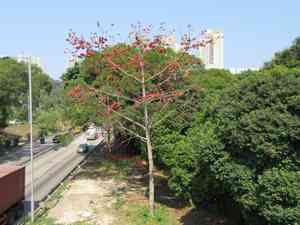
Distinguished by its thorny stem and vibrant crimson blossoms, the red Silk Cotton Tree stands as a prominent deciduous species. When undertaking trimming, eliminate any lifeless or frail branches to foster robust development and amplify floral production. The optimal period for this task is from late winter to early spring, prior to the emergence of fresh foliage. Particular attention should be paid to preserving the tree's inherent form. Timely pruning guarantees energetic growth, deters ailments, and stimulates abundant flowering in this particular variety.
What Are the Benefits of Pruning Red Silk Cotton Tree?
What Are the Benefits of Pruning Red Silk Cotton Tree?
Trimming red Silk Cotton Tree encourages robust development by eliminating dead or ailing wood, enhancing air circulation and sunlight access to inner limbs. It also aids in preserving the desired form, preventing excessive growth, and fostering a more organized structure.
What Is the Best Time for Pruning Red Silk Cotton Tree?
What Is the Best Time for Pruning Red Silk Cotton Tree?
Pruning red Silk Cotton Tree in late winter, prior to the onset of spring growth, allows the plant to recover and direct its energy toward new development, ensuring strength. Furthermore, the absence of leaves during this period offers a clearer view of the plant's framework, enabling more accurate cuts. Trimming in early spring aligns with the plant's growth cycle, just before red Silk Cotton Tree enters its active growth phase. This timing minimizes stress on the plant and prevents sap loss, which is common in warmer months. It also avoids the peak flowering period that often follows the start of spring, ensuring that the beauty and ecological contributions of red Silk Cotton Tree's blossoms are preserved.
What Tools Do I Need to Prune Red Silk Cotton Tree?
Hand Pruners
Suitable for trimming small branches and twigs of red Silk Cotton Tree, ensuring clean cuts that promote healthy regrowth.
Lopping Shears
Ideal for cutting through thicker branches of red Silk Cotton Tree that are too large for hand pruners. Their long handles provide added leverage.
Pruning Saw
Necessary for removing larger limbs of red Silk Cotton Tree, allowing gardeners to make precise cuts on branches over two inches in diameter.
Pole Pruner
Useful for reaching higher branches of red Silk Cotton Tree, giving the gardener the ability to prune without using a ladder for better safety.
Chainsaw
Reserved for cutting very large branches or completing major reshaping of red Silk Cotton Tree; to be used by experienced individuals taking proper safety precautions.
Secateurs
Ideal for detailed shaping and maintaining red Silk Cotton Tree, as they allow for precise, close cuts necessary for aesthetic pruning.
How to Prune Red Silk Cotton Tree
Identify
Identify all dead and diseased branches on red Silk Cotton Tree for removal. Look for branches that show signs of discoloration, brittleness, or lack of growth.
Sanitize
Before making any cuts, sanitize your pruning tools to prevent the spread of disease. Use a disinfectant or a solution of bleach and water to clean the blades.
Cut Technique
Use sharp, clean pruning shears or a saw for larger branches. Make cuts at a 45-degree angle about 1/4 inch above a bud facing the outside of the plant. This encourages healthy new growth away from the center of red Silk Cotton Tree.
Remove Damaged
Carefully remove all identified dead and diseased branches. Make sure to cut back to healthy tissue to ensure the proper healing of red Silk Cotton Tree.
Dispose
Dispose of the removed branches properly. Do not compost diseased material as it might infect the compost. Burn or discard the dead and diseased branches if possible.
Common Pruning Mistakes with Red Silk Cotton Tree
Over-Pruning
Removing too much foliage from red Silk Cotton Tree at once can stress the tree, hinder its growth and reduce flowering. Strive to prune no more than 20-30% of the crown in a single season.
Improper Cutting
Incorrect cut placement can lead to disease and pest infestation. When pruning red Silk Cotton Tree, make sure to cut just above a bud or branching point, without leaving a stub or cutting too close to the bud.
Neglecting Tool Maintenance
Using dull or unclean pruning tools can cause unnecessary damage or spread disease to red Silk Cotton Tree. Ensure that tools are sharp and sterilized before use.
Ignoring Wounded Areas
Failing to notice or properly treat large wounds created by the removal of branches might lead to decay in red Silk Cotton Tree. Treat significant cuts with a wound dressing if recommended by horticultural guidelines.
Excessive Topping
Topping, or cutting off the top portion of red Silk Cotton Tree, can lead to weak, water sprout growth that is poorly attached and vulnerable to wind damage.
Common Pruning Tips for Red Silk Cotton Tree
Selective Pruning
Focus on removing only the necessary branches on red Silk Cotton Tree, such as dead, diseased, or crossing branches, to maintain airflow and light penetration throughout the canopy.
Structural Training
When red Silk Cotton Tree is young, prune to establish a strong central leader and well-spaced scaffold branches. This improves structural integrity and health in maturity.
Gradual Shaping
Shape red Silk Cotton Tree gradually over several seasons rather than attempting significant changes in shape or size in one go. This approach promotes more predictable growth patterns and is less stressful for the tree.
Correct Angle Cuts
Make cuts at a 45-degree angle away from the bud to prevent water accumulation and potential fungal growth on red Silk Cotton Tree.
Follow Natural Contours
Prune red Silk Cotton Tree following its natural shape and growth patterns to encourage a more aesthetically pleasing and naturally sturdy form.
Clean Cut Procedure
Use clean and precise cuts to ensure quick and proper healing for red Silk Cotton Tree. Ragged cuts can lead to pest infestation and disease.



