How to Prune Flat-stem clubrush?
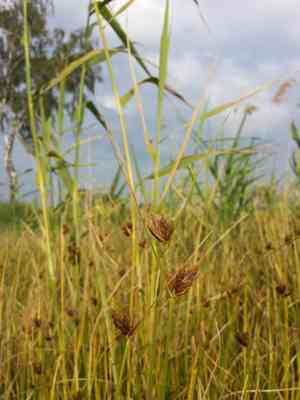
The flat-stem clubrush, a perennial characterized by its unique flattened stalks, flourishes when trimmed in fall or early spring following natural dieback. Eliminating withered or compromised stems improves air circulation and stimulates robust new development. During its dormant winter phase, reduce overly dense sections. Sever stems near the soil surface to preserve the plant's structure and vitality. This trimming practice fosters strength, reduces the risk of illness, and aids local fauna by creating open areas for nesting within the reeds.
What Are the Benefits of Pruning Flat-stem Clubrush?
What Are the Benefits of Pruning Flat-stem Clubrush?
Trimming flat-stem clubrush promotes robust development and preserves its desired form. Precise cuts enhance light penetration and air circulation, fostering strong growth while upholding the plant's structural integrity.
What Is the Best Time for Pruning Flat-stem Clubrush?
What Is the Best Time for Pruning Flat-stem Clubrush?
The optimal period to prune or trim flat-stem clubrush is during early spring or winter. In early spring, flat-stem clubrush is commencing its growth cycle, having just emerged from winter dormancy. Pruning at this stage prepares the plant for vigorous growth as temperatures rise, allowing for shaping before new shoots become too established. Winter pruning is also suitable because the plant is inactive, which minimizes stress and the risk of disease transmission. Additionally, the absence of foliage makes it easier to discern the plant's structure for more effective pruning. These seasons avoid the active growth phases of late spring and summer, thereby preventing disruption to the plant's natural growth and potential flowering or fruiting cycles.
What Tools Do I Need to Prune Flat-stem Clubrush?
Sharp Bypass Pruners
Perfect for making clean, precise cuts on live flat-stem clubrush stems without crushing them, which is crucial for encouraging healthy regrowth.
Long-Handled Loppers
Useful for reaching deeper into flat-stem clubrush clusters or cutting thicker stems that bypass pruners cannot handle, while still ensuring a clean cut.
Hand Saws
When dealing with much thicker or woodier sections of flat-stem clubrush that neither bypass pruners nor loppers can manage, a sharp hand saw can make the cut without causing unnecessary damage.
Pruning Shears
Excellent for shaping and managing the smaller, more delicate growth of flat-stem clubrush, enabling quick and easy maintenance cuts.
Gloves
Protective gloves are essential to prevent cuts and irritation from flat-stem clubrush when pruning, as some species can have sharp edges or cause skin irritation.
How to Prune Flat-stem Clubrush
Disinfect tools
Before beginning the pruning process, sanitize all cutting tools to prevent the spread of disease. Use a solution of 1 part bleach to 9 parts water to sterilize the blades, then rinse and dry them thoroughly.
Identify diseased leaves
Examine flat-stem clubrush closely to identify any diseased or withered leaves. Look for signs of discoloration, spots, or decay. These are the parts that will need to be removed to maintain the health of the plant.
Prune diseased leaves
Using the disinfected tools, carefully cut away the diseased leaves from flat-stem clubrush. Make the cuts at the base of the leaves, ensuring not to damage adjacent healthy tissue. Remove these portions completely from the area to prevent any potential spread of disease.
Prune withered leaves
If there are withered leaves on flat-stem clubrush, these should also be removed. Trim these leaves at the base, similar to the diseased leaves, to encourage new growth and maintain the appearance of the plant.
Cleanup
After pruning, clean up all removed leaves and debris from around flat-stem clubrush, and dispose of them properly. This will reduce the chance of disease and pests affecting the plant. Clean the tools again as in Step 1 to prepare them for their next use.
Common Pruning Mistakes with Flat-stem Clubrush
Over pruning
Removing too much foliage at once, which can stress flat-stem clubrush and reduce its vigor.
Blunt tool use
Using dull or unsanitary cutting tools, which can damage flat-stem clubrush's stems and invite disease.
Improper cut locations
Cutting too close or too far from the stem node, which can hinder regrowth or cause dieback.
Neglecting to remove dead material
Failing to clear out dead or decaying material, which can harbor pests and diseases.
Common Pruning Tips for Flat-stem Clubrush
Sharp tool employment
Always use sharp, clean pruning shears or knives to make clean cuts and minimize damage.
Strategic cutting
Cut stems above a node to encourage bushier growth and maintain a natural plant shape.
Dead material removal
Regularly remove dead or dying stems, leaves, and flower heads to promote healthy growth and appearance.
Balance maintenance
Aim to create a balance between old and new growth, ensuring sustainable development of flat-stem clubrush.



