How to Prune Leafy goosefoot?
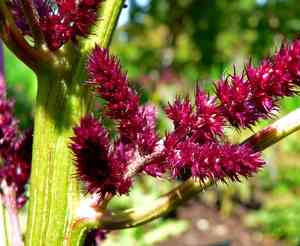
A classic verdant vegetable, leafy goosefoot is prized for its nutrient-rich leaves. Shape and size can be managed by nipping off the terminal buds, which stimulates denser development. The most effective times for trimming coincide with periods of vigorous growth in spring, summer, and early autumn. Consistent cutting improves air movement and leaf output, and eliminating flower stems diverts energy to the leaves, promoting a more abundant yield. Trimming also helps prevent infestations and illnesses, crucial for preserving the plant's health.
What Are the Benefits of Pruning Leafy Goosefoot?
What Are the Benefits of Pruning Leafy Goosefoot?
Trimming leafy goosefoot encourages robust development by fostering fresh, healthy shoots. It also assists in maintaining the plant's form for a more visually appealing garden.
What Is the Best Time for Pruning Leafy Goosefoot?
What Is the Best Time for Pruning Leafy Goosefoot?
In Spring, trimming leafy goosefoot helps stimulate new growth, as the plant emerges from its dormant winter state. Early Summer pruning manages the size and shape of leafy goosefoot, improving sunlight penetration and air circulation essential for the plant's health. Fall pruning involves removing dead or diseased foliage after the growing season, preparing leafy goosefoot for winter by preventing disease carryover. These periods are ideal because they align with leafy goosefoot's active growth phases and help minimize stress on the plant. Pruning during the plant’s inactive or active growth phases can reduce harm and maximize the plant's vigor.
What Tools Do I Need to Prune Leafy Goosefoot?
Bypass Pruners
Ideal for making clean cuts on leafy goosefoot's delicate stems without crushing plant tissues, promoting healthier regrowth.
Gardening Shears
Perfect for shaping and trimming the foliage of leafy goosefoot due to their accuracy and ability to handle softer green material.
Gardening Gloves
Protects hands from any potential skin irritants on leafy goosefoot's leaves and stems during pruning.
Pruning Saw
Useful for removing thicker, woody stems of leafy goosefoot if needed, though this may be less common given leafy goosefoot's typical growth habit.
How to Prune Leafy Goosefoot
Clean Tools
Before beginning the pruning process, ensure all pruning tools are clean and sharp to prevent disease transmission and make precise cuts.
Inspect
Examine leafy goosefoot thoroughly to identify all withered or dead leaves that may be present on the plant.
Snip Withered Leaves
Use a pair of sterilized scissors to carefully snip away the withered leaves at their base, close to the main stem without damaging it.
Discard Removed Material
Properly dispose of the removed withered leaves to minimize the risk of disease or pest infestation.
Monitor Plant
After pruning, continue to monitor leafy goosefoot for additional withered leaves or other signs of stress that may require attention.
Common Pruning Mistakes with Leafy Goosefoot
Overpruning
Cutting too much can stress leafy goosefoot, reducing its vitality and potentially causing poor plant health. Aim to remove only what's necessary.
Improper Cutting Angle
Cuts should be made at a 45-degree angle just above a node or leaf set. Incorrect cutting angles can hinder proper healing and promote disease.
Using Dull Tools
Dull pruning tools might crush or tear the stems of leafy goosefoot, leading to damage and increasing susceptibility to disease.
Ignoring Diseased Or Dead Stems
Neglecting to remove diseased or dead material during pruning can allow problems to spread throughout leafy goosefoot.
Uneven Growth
Pruning without considering the natural shape and growth pattern of leafy goosefoot may result in unbalanced and unattractive growth over time.
Common Pruning Tips for Leafy Goosefoot
Sanitation
Always use clean, sharp pruning shears to prevent the spread of disease and make precise cuts that leafy goosefoot can heal from quickly.
Selective Thinning
Thin out overcrowded areas to improve air circulation and light penetration, which is crucial for the health and vigor of leafy goosefoot.
Promoting New Growth
During pruning, focus on encouraging new growth by cutting back to a node or just above a leaf set. This promotes more bushy and productive leafy goosefoot.
Support Structures
Leafy goosefoot may require support structures for optimal growth. If pruning back significantly, ensure structures are in place to support new growth.
Monitoring Plant Health
Regularly check leafy goosefoot for dead or diseased growth. Pruning these areas promptly helps maintain the overall well-being of the plant.



