How to Prune Chinese bishopwood?
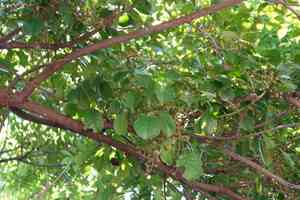
This lofty evergreen specimen, characterized by its thick, expansive crown, greatly benefits from regular trimming. Optimal techniques involve reducing congested branches and excising lower branches to elevate the canopy. Performing this maintenance in late winter or early spring, prior to the onset of vigorous growth, fosters robust development and sculpts chinese bishopwood's form. The removal of lifeless or ailing wood enhances air circulation and light exposure, thereby boosting its general well-being and vitality. Furthermore, eliminating suckers and water sprouts preserves chinese bishopwood's visual attractiveness and structural soundness.
Advantages of Trimming Chinese Bishopwood
Advantages of Trimming Chinese Bishopwood
Trimming chinese bishopwood promotes robust development and helps maintain its desired form. Strategic cutting can enhance the plant's vitality and visual appeal, while ensuring it fits its designated area.
Optimal Period for Pruning Chinese Bishopwood
Optimal Period for Pruning Chinese Bishopwood
Pruning chinese bishopwood in late winter or early spring is ideal as the plant remains dormant before its spring growth surge. Late winter pruning allows for easy shaping and removal of damaged or diseased branches without stressing the plant. In early spring, the risk of frost has often passed, reducing the chance of frost damage to fresh cuts. The plant's energy is concentrated in its roots, aiding quick healing from pruning and supporting vigorous growth once spring fully arrives. These seasons avoid cutting the plant during active growth, flowering, or fruiting, which could impede its development and productivity.
Essential Tools for Pruning Chinese Bishopwood
Bypass Pruners
Perfect for making clean cuts on young, green branches and leaves of chinese bishopwood. They inflict less damage to plant tissue, encouraging healthier regrowth.
Loppers
Suitable for cutting through thicker branches typically found on chinese bishopwood, usually up to 1 1/2 inches in diameter. Their long handles provide leverage and reach.
Pruning Saw
Required for removing larger limbs from chinese bishopwood that loppers cannot manage. A curved blade pruning saw can simplify cutting through branches over 1 1/2 inches thick.
Pole Pruner
Useful for reaching higher branches of chinese bishopwood without a ladder. They often combine a saw and lopping shears on an extendable pole.
Hedge Shears
Excellent for shaping and maintaining the dense foliage of chinese bishopwood, especially if grown as a hedge or in a formal garden setting.
Pruning Gloves
Protect the gardenerâs hands from thorns, sap, and rough bark while pruning chinese bishopwood.
Clean Cloth & Disinfectant
To clean and disinfect tools between cuts to prevent the spread of diseases while pruning chinese bishopwood.
How to Prune Chinese Bishopwood
Identification
Examine chinese bishopwood thoroughly to locate all dead and diseased branches, identifiable by their dry, brittle, discolored, or visibly damaged appearance.
Sanitation
Before pruning, sterilize all cutting tools with a solution of one part bleach to nine parts water to prevent the spread of pathogens to healthy parts of chinese bishopwood.
Pruning dead branches
Using sharp and clean pruning shears or a saw for larger branches, make a clean cut to remove dead branches at their point of origin or back to a healthy lateral branch, avoiding damage to the main trunk or remaining healthy branches of chinese bishopwood.
Pruning diseased branches
Cut diseased branches of chinese bishopwood at least several inches below the affected area to ensure complete removal of diseased tissue; dispose of these branches away from healthy plants to minimize contamination risk.
Wound care
Avoid applying wound dressings on the cuts; chinese bishopwood is typically capable of naturally sealing its own wounds. Monitor the pruned areas for signs of decay or further disease and address promptly if observed.
Common Pruning Errors with Chinese Bishopwood
Overpruning
Removing too much foliage at once can shock chinese bishopwood, leading to reduced vigor or even plant death.
Incorrect cut locations
Cutting too far from or too close to the main stem can cause improper healing and increase susceptibility to diseases.
Neglecting tool hygiene
Using dirty pruning tools can spread pathogens to chinese bishopwood, introducing diseases to otherwise healthy plants.
Tearing bark
When large branches are pruned without proper technique, the bark may tear and harm chinese bishopwood's health and aesthetics.
Ignoring growth habit
Failing to consider chinese bishopwood's natural shape and growth pattern can result in a poorly structured and less attractive plant.
General Pruning Advice for Chinese Bishopwood
Correct tool use
Employ sharp, clean pruning shears or saws to make precise cuts that will heal quickly, minimizing stress on chinese bishopwood.
Angled cuts
Make cuts at a 45-degree angle, facing away from the bud, to encourage water runoff and prevent disease.
Follow branch collar
Prune just outside the branch collar without damaging it to promote faster and healthier healing.
Thin selectively
Thin out crowded branches to improve air circulation and light penetration, which will benefit the overall health of chinese bishopwood.
Gradual rejuvenation
For an overgrown chinese bishopwood, stagger heavy pruning over several seasons to lessen the stress on the plant and avoid shock.



