How to Prune Queen's tears?
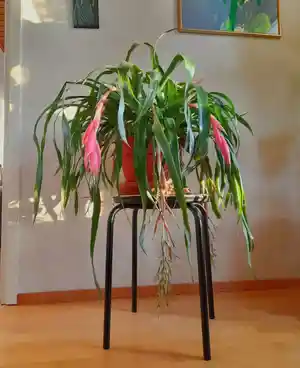
Hailing from the elevated regions of South America, queen's tears is a bromeliad characterized by its gracefully curved foliage and drooping blossoms. Trimming entails detaching withered or discolored leaves and faded flower stalks from their origin, which improves the plant's aesthetic and stimulates fresh development. While queen's tears can withstand trimming at any point, the most opportune time is following the conclusion of its blooming period. Utilizing sharp, disinfected cutting tools is essential to avert the spread of pathogens. The advantages of pruning encompass managing its dimensions, preventing the accumulation of detritus, and fostering the plant's inherent form and vivid floral displays.
Advantages of Trimming Queen's Tears
Advantages of Trimming Queen's Tears
Trimming queen's tears promotes abundant flowering, revitalizes growth, and maintains its defined shape. Regular removal of faded blooms directs energy towards new, vibrant flowers while controlling the plant's size for visual appeal and space management.
Optimal Period for Pruning Queen's Tears
Optimal Period for Pruning Queen's Tears
Late winter to early spring is considered the ideal time to prune queen's tears as the plant is typically dormant. Pruning at this time can stimulate fresh growth as the active season commences. It also allows gardeners to remove any dead or damaged foliage from the colder months without disrupting the plant's natural flowering cycle, which usually occurs in spring or early summer. Pruning after blooming enables queen's tears to invest energy into growth and re-flowering, rather than sustaining spent blossoms. These periods avoid cutting back the plant during its primary growth phase and potential bloom period, ensuring the health and beauty of queen's tears are preserved.
Required Tools for Pruning Queen's Tears
Sharp Scissors or Snips
For trimming spent flower stalks and dead or dying leaves on queen's tears, sharp scissors or snips provide clean cuts and minimize harm to the healthy tissue, given queen's tears has relatively thin leaves and flower stalks.
Gloves
While queen's tears is not particularly hazardous to handle, gloves protect the hands from minor scrapes during pruning and assist in safely holding the foliage.
Disinfectant
It is crucial to use a disinfectant for pruning tools before and after trimming queen's tears to prevent the spread of diseases.
Waste Container
Having a waste container nearby is convenient for collecting queen's tears cuttings immediately during the pruning process, helping to maintain a tidy workspace.
How to Prune Queen's Tears
Sanitize Tools
Before beginning to prune queen's tears, clean and disinfect your pruning tools to prevent disease transmission. Use a solution of one part bleach to nine parts water to sterilize the blades.
Remove Diseased Parts
Carefully remove any diseased leaves or branches from queen's tears, ensuring to cut back to healthy tissue to prevent further infection. Use sharp scissors or pruning shears for precise cuts.
Trim Withered Elements
Trim off withered leaves and any dead branches from the queen's tears to encourage robust growth and improve air circulation. Make cuts near the base of the withered parts, being careful not to harm the healthy sections of the plant.
Prune Withered Flowers
Cut back withered flowers from queen's tears to the point where the flower stalk meets the main plant to encourage more blooms in the future.
Clean Up
After pruning queen's tears, clear all removed material from the area to prevent any potential disease from spreading in the garden. Dispose of diseased material properly, away from healthy plants.
Common Pruning Errors with Queen's Tears
Overpruning
Removing too much foliage can stress queen's tears, impeding its growth and reducing its ability to photosynthesize.
Improper Cutting
Cutting queen's tears's leaves or flower stalks too close to the base can injure the plant, making it vulnerable to infections and diseases.
Pruning Live Flower Spikes
Trimming the live flower spikes can prevent queen's tears from blooming, as it flowers from the same spikes multiple times.
Disregarding Dead Leaves
Failing to remove dead or dying leaves can hinder new growth and may lead to fungal or pest issues for queen's tears.
Using Dull Tools
Pruning queen's tears with dull or dirty tools can create jagged cuts that heal poorly and increase susceptibility to disease.
General Pruning Advice for Queen's Tears
Sanitized Tools
Using clean, sharp tools helps make precise cuts and reduces the risk of transmitting diseases to queen's tears.
Post-Bloom Pruning
Removing spent flower spikes after they have faded encourages queen's tears to focus energy on new growth and future flowering.
Gentle Hands
Being gentle when handling queen's tears, especially during pruning, prevents damage to its leaves and ensures the plant retains its aesthetic appeal.
Directional Cuts
Making cuts at an angle away from the remaining stem or leaf base on queen's tears allows water to run off and reduces the chance of rot.
Monitor Health
Regularly inspecting queen's tears during routine care and pruning away any dead or damaged material helps maintain its vigor and aesthetic.



