How to Prune Crossvine?
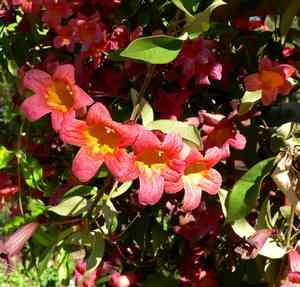
This enduring climber is admired for its bell-shaped blossoms and robust ascending nature. To preserve its form and foster robust development, trim crossvine in late winter or early spring prior to the emergence of new foliage. Concentrate on excising any lifeless or compromised branches, and thin out mature stalks to stimulate fresh sprouts. Restrict cuts to areas above leaf junctions and maintain an open framework to improve air movement. Trimming not only enhances aesthetics but also revitalizes blooming for the subsequent period.
What Are the Benefits of Pruning Crossvine?
What Are the Benefits of Pruning Crossvine?
Trimming crossvine encourages robust new development and maintains its desired shape. Strategic cuts improve plant health and vitality while shaping the plant for aesthetic and spatial considerations.
What Is the Best Time for Pruning Crossvine?
What Is the Best Time for Pruning Crossvine?
These periods are considered ideal for pruning crossvine because in late winter, the plant is concluding its dormant phase, making it less vulnerable to pruning stress. Additionally, trimming crossvine in early spring enables gardeners to shape the plant and eliminate any dead or damaged growth before the active growth period begins, ensuring a healthier plant with enhanced flowering potential. Pruning prior to new growth emergence also simplifies visualizing the plant's structure, allowing for more accurate cuts. It's crucial to avoid pruning crossvine in late spring or early summer, as this can remove flower buds and diminish the plant's bloom display.
What Tools Do I Need to Prune Crossvine?
Hand Pruners
For crossvine's routine pruning needs, such as removing dead or diseased parts, cutting back to shape the vine, or managing its size. Hand pruners are perfect for making clean cuts on smaller stems and branches less than 3/4 inches in diameter.
Loppers
For branches too thick for hand pruners, loppers offer the extra leverage needed to cut through crossvine's stems up to 1 and 1/2 inches thick. They are especially useful for reaching into the vine's dense growth and making precise cuts.
Pruning Saw
When crossvine has matured and developed thicker branches exceeding 1 and 1/2 inches in diameter, a pruning saw is necessary. It allows for the removal of large sections of older growth without harming the plant's structure.
Garden Gloves
To safeguard hands from crossvine's potential skin irritants and minor scrapes that can be caused by the plant's aerial roots and rough bark during handling and pruning.
How to Prune Crossvine
Step1: Timing for Pruning
Select the appropriate time to prune crossvine, typically late winter or early spring, just before new growth commences. Avoid pruning when the plant is blooming to prevent sacrificing flower production.
Step2: Remove Dead Wood
Inspect crossvine for dead wood. Look for branches that are discolored, brittle, and lack green when scratched, as well as any branches that did not produce leaves or flowers in the previous season.
Step3: Prune Back to Base
Using clean, sharp pruning shears, cut the dead wood back to its origin, ensuring not to harm the main stems or the healthy sections of the plant.
Step4: Identify Damaged Stems
Locate damaged stems on crossvine. These might have been broken by wind, heavy rains, or show signs of disease or pest damage.
Step5: Cut Damaged Stems Cleanly
Trim the damaged stems by making a clean cut just above a leaf node or lateral branch, at a 45-degree angle, ensuring the entire damaged section is removed without leaving stubs.
Step6: Prune Spindly Shoots
Find spindly shoots on crossvine, which are typically thin, weak, and grow more vertically. These shoots often do not contribute to the plant's overall form and can be pruned to encourage a more robust structure.
Step7: Trim for Robust Growth
Cut back spindly shoots to a main branch or just above a bud that points in the desired direction for new growth, which prompts crossvine to develop a denser and healthier canopy.
Step8: Assess Plant Shape
Evaluate the overall shape and size of crossvine. After removing dead wood, damaged stems, and spindly shoots, determine if further shaping is needed to maintain the plant's desired form.
Step9: Selective Shaping Cuts
For shaping, selectively prune branches that are out of place or that are crossing or rubbing against each other. Always cut back to a leaf node, bud, or lateral branch to promote proper growth patterns.
Step10: Clean Pruning Tools
Sanitize your tools after pruning crossvine to prevent disease spread. Use a solution of one part bleach to nine parts water or a commercial disinfectant to clean the shear blades.
Step11: Dispose of Pruning Debris
Discard all pruned material away from crossvine to ensure no pests or diseases linger that could affect the plant in the future.
Step12: Post-Pruning Plant Care
Water crossvine after pruning to aid recovery from the stress, and apply a layer of mulch around the base to retain moisture and regulate soil temperature.
Post-Pruning Care for Crossvine
Post-Pruning Care for Crossvine
Immediately after trimming crossvine, water thoroughly to assist recovery. Maintain moderate humidity and ensure the plant receives filtered sunlight; avoid direct intense sun. Initiate a fertilization regimen with a balanced, slow-release fertilizer to stimulate growth. Monitor crossvine for wilting or discolored leaves, which could indicate stress; a fungicide may be applied if there's evidence of infection. Adjust care as necessary to optimize crossvine's environment for healthy regrowth.
Common Pruning Mistakes with Crossvine
Over-Pruning in One Session
Trimming too much at once, which can stress crossvine and potentially lead to reduced flowering or even plant damage.
Using Dull or Unclean Tools
Employing dull or unsanitized pruning tools, which can create jagged cuts more vulnerable to pests and diseases.
Pruning Without Growth Knowledge
Pruning haphazardly without understanding crossvine's growth pattern, potentially removing new growth that would produce flowers.
Ignoring Dead or Diseased Wood
Failing to remove dead or diseased wood, which can hinder healthy growth and unnecessarily strain the plant's resources.
Common Pruning Tips for Crossvine
Clean, Sharp Cuts for Healthy Plant
Utilize sharp, clean pruning shears to make precise cuts, which will help crossvine heal faster and lessen the risk of disease.
Prune for Shape and Size Control
Trim to maintain the desired shape and size, remembering that crossvine can grow quite vigorously and may need to be contained in smaller gardens.
Prioritize Removing Dead or Diseased Growth
Focus on eliminating dead, dying, or diseased wood first to promote healthy growth and enhance airflow throughout the plant.
Thin Stems for Light and Air Circulation
Thin out crowded stems to allow light and air to reach the plant's interior, encouraging a more robust and floriferous growth pattern.
Prune Back to Healthy Buds for Growth Direction
Cut back to a healthy bud or branch to stimulate new growth in the direction you wish the plant to grow.
Assess Overall Shape Periodically
Remember to periodically step back and evaluate crossvine's overall form as you prune, to achieve a balanced and aesthetically pleasing shape.



