How to Prune Chard?
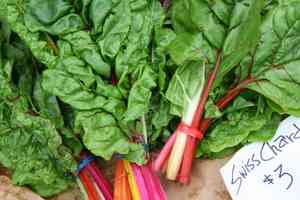
Grown for its palatable foliage and stems, Swiss chard necessitates consistent trimming to foster robust development. Detach aged or discolored leaves from the plant's base to stimulate the emergence of fresh leaves. Throughout the active growth phase, sever any emerging flower stems to redirect the plant's resources toward leaf and stem expansion. The most favorable times for pruning are during the spring and summer months when the plant is vigorously developing. Strategic trimming improves airflow, lessens the likelihood of disease, and can result in a more abundant yield.
What Are the Benefits of Pruning Chard?
What Are the Benefits of Pruning Chard?
Trimming chard promotes more robust development by stimulating new growth, ensuring the plant maintains its desired shape and size.
What Is the Best Time for Pruning Chard?
What Is the Best Time for Pruning Chard?
Trimming chard in spring is optimal as it coincides with the start of the plant's active growth phase, encouraging vigorous new foliage, which is often the desired harvestable part. Early summer is also suitable for pruning, as it helps manage the plant's size and form, boosts leaf production, and removes any developing flower stalks, since flowering can diminish leaf quality and flavor. During these seasons, chard exhibits its strongest growth and regenerative abilities, allowing for quick recovery from pruning. Trimming at these times also minimizes the risk of plant damage during dormant periods when it might be more vulnerable to disease or cold.
What Tools Do I Need to Prune Chard?
Bypass Pruners
Perfect for making neat cuts on chard without crushing stems, ensuring healthy regrowth.
Gardening Scissors
Appropriate for snipping small or thin chard stems, offering precise control and minimal harm.
Gloves
Protective gloves should be worn when trimming chard to ensure safety from sharp tools and prevent skin irritation from plant sap.
Cleaning Cloth
Used to wipe blades between cuts to prevent disease transmission among chard plants.
How to Prune Chard
Sterilize
Sanitize your pruning tools with rubbing alcohol or a household cleaner to prevent the spread of disease during the trimming process.
Remove Diseased Leaves
Snip off any diseased chard leaves at the base of the leaf stalk using sharp scissors or hand pruners, ensuring you do not tear the stalk from the main plant.
Remove Withered Leaves
Remove withered or yellowing leaves by cutting them at the base where the leaf stalk meets the root crown, thereby encouraging healthier growth and air circulation.
Cut Diseased Stems
Trim any diseased chard stems close to the base but above the healthy leaf nodes, using clean cuts to prevent damage to the plant's structure.
Dispose
Discard diseased and withered plant material away from the garden to prevent reinfection or attracting pests that could harm chard.
Common Pruning Mistakes with Chard
Over-Pruning
Removing too many chard leaves can weaken the plant and reduce its vitality. This species relies on its leafy greens for photosynthesis and growth, so excessive trimming may lead to poor plant health.
Cutting Into Old Growth
Cutting into the woody, older chard stems can invite disease and decay. It's important to focus on younger, green stems when pruning.
Inadequate Tools
Using dull or dirty pruning tools can damage chard stems and introduce pathogens. Properly cleaned and sharpened tools are crucial to prevent harm to the plant.
Pruning All Leaves From One Section
Focusing on one area and pruning all leaves therein can unbalance chard's growth. It's essential to harvest leaves evenly from around the plant.
Pruning Too Close To Stem Base
Cutting chard leaves too close to the base can damage the growing points and potentially introduce diseases or pests into the open wounds.
Common Pruning Tips for Chard
Selective Harvesting
Harvesting the outer chard leaves first encourages continuous growth from the plant's center. This method also maintains a steady supply of greens while allowing the plant to thrive.
Clean Cuts
Make clean cuts on chard to prevent tearing the stems, which could harm the plant's overall health. A sharp knife or scissors should be used to ensure precision.
Prune For Air Circulation
Removing a few inner leaves when necessary can improve air circulation in chard, which reduces the risk of fungal diseases. This promotes overall plant health and vigor.
Disinfect Tools
Before and after pruning chard, always disinfect your tools. This practice helps prevent the spread of disease among your plants.
Retain Growth Point
When pruning chard, careful attention should be paid to avoid damaging the central growing point. This ensures the plant continues to produce new foliage.



