How to Prune Common barberry?
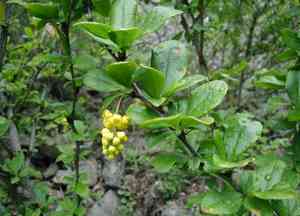
This spiny, leaf-shedding shrub, known for its vibrant yellow blossoms and extended crimson fruits, significantly benefits from trimming. For Berberis vulgaris, remove any lifeless, ailing, or excessively dense branches to enhance air movement and light exposure. Reducing the number of older stalks stimulates new development and a more abundant fruit yield. The ideal period to trim Berberis vulgaris is in early spring, prior to the start of the growth cycle. Meticulous pruning ensures a robust, shapely specimen and lessens the chance of rust disease proliferation.
What Are the Benefits of Pruning Common Barberry?
What Are the Benefits of Pruning Common Barberry?
Trimming common barberry promotes robust development and preserves its desired form. Regular cutting reduces excessive growth, ensuring sunlight reaches inner branches, fostering health and vitality.
What Is the Best Time for Pruning Common Barberry?
What Is the Best Time for Pruning Common Barberry?
Pruning in early spring, after the final frost, allows common barberry to quickly recover from the stress of trimming, as this period precedes active growth. This timing minimizes the risk of frost damage to new growth that pruning might stimulate and avoids removing developing flower buds, which form on old wood. Additionally, the plant is in a dormant state, making it easier to see the structure and select which branches to remove. Pruning during this time can also help maintain the plant's shape and health, as well as prevent the spread of diseases which are less active before spring growth begins.
What Tools Do I Need to Prune Common Barberry?
Hand pruners
Perfect for cutting small branches on common barberry, allowing for precise shaping of the plant. This is crucial for maintaining its dense, rounded form and encouraging healthy development.
Loppers
Used for thicker branches that hand pruners cannot manage, they provide the necessary leverage to make clean cuts without harming common barberry. They are especially useful for reaching into the thorny, dense interior of the plant.
Pruning saw
For the thickest branches of common barberry that loppers cannot handle, a pruning saw makes it possible to remove large limbs safely and efficiently without risking damage to the plant or the gardener.
Gloves
Wearing thick gloves is vital when pruning common barberry due to its thorns, which can cause injury. Gloves protect the gardener's hands and allow for safer handling of the plant during the pruning process.
How to Prune Common Barberry
Clean Tools
Before beginning, ensure all pruning tools are cleaned and sanitized to prevent the spread of disease to common barberry.
Remove Diseased Parts
Carefully trim away any diseased leaves and branches from common barberry, making clean cuts just above a healthy leaf node or lateral branch using appropriate pruning shears.
Cut Dead Material
Remove dead or withered leaves, and saw off dead branches close to the trunk or main branch to promote healthy growth and airflow in common barberry. Leave a small collar of the dead branch to support proper healing.
Thin Crowded Areas
Identify and thin out areas where branches are overly dense. This helps to increase light penetration and air circulation within the canopy of common barberry.
Maintain Shape
Finally, shape common barberry by selectively pruning to maintain its natural form, enhancing both the aesthetic and health of the plant.
Common Pruning Mistakes with Common Barberry
Over-Pruning
One frequent error is removing too much foliage, which can stress common barberry and lead to diminished vigor and fewer flowers.
Improper Tool Use
Using dull or unclean tools can create jagged cuts that are vulnerable to pests and diseases, hindering the healing process of common barberry.
Pruning At Incorrect Angles
Cutting at the wrong angle can cause water to accumulate on the cut surface, encouraging rot and disease in common barberry.
Ignoring Deadwood
Failing to remove dead or diseased branches can compromise the overall health of common barberry, as these can become vectors for disease.
Neglecting Shape
Not considering the natural shape of common barberry during pruning can result in a less aesthetically pleasing plant and can also affect its growth patterns.
Common Pruning Tips for Common Barberry
Selective Thinning
For optimal health, selectively thin out crowded branches to improve air circulation and light penetration within the canopy of common barberry.
Sharp, Clean Cuts
Utilize sharp and sterile pruning shears to make clean cuts, minimizing damage and the risk of contagions for common barberry.
Angle The Cuts
Make cuts at a 45-degree angle away from the bud to prevent water accumulation, promoting rapid healing and new growth in common barberry.
Maintain Natural Form
Prune with the natural habit of common barberry in mind to maintain its form and encourage flowering while avoiding over-pruning.
Remove Unhealthy Growth
It's essential to consistently remove dead, diseased, or damaged wood to maintain the health and appearance of common barberry.



