How to Prune Common daisy?
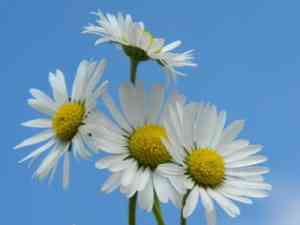
Distinguished by its vibrant rosettes of spatulate leaves and archetypal white-petaled blossoms featuring yellow cores, the common daisy flourishes with little upkeep. Essential trimming entails removing faded blooms to foster uninterrupted flowering and eliminating impaired or congested foliage. The most favorable times for pruning extend from the beginning of spring to the end of autumn, coinciding with periods of vigorous development. Pruning boosts the plant's robustness and visual attractiveness, simultaneously reducing the risk of disease by enhancing air movement.
What Are the Benefits of Pruning Common Daisy?
What Are the Benefits of Pruning Common Daisy?
Trimming common daisy promotes abundant flowering and vigorous development, while helping to preserve its compact form and dense leaves, ensuring an attractive look.
What Is the Best Time for Pruning Common Daisy?
What Is the Best Time for Pruning Common Daisy?
Pruning common daisy in early spring revitalizes the plant by removing dead or old foliage, fostering healthier new growth for the upcoming season. This directs energy towards developing new shoots and leaves. Late fall pruning, after flowering, aids in shaping the plant and managing its size, preventing a leggy appearance. It also eliminates spent flower heads that would otherwise consume plant resources unnecessarily, leading to a healthier plant prepared for winter and flourishing in the next growth cycle.
What Tools Do I Need to Prune Common Daisy?
Hand Pruners
Common daisy is a small, low-growing perennial that typically doesn't require heavy pruning tools. Hand pruners, also known as secateurs, are perfect for snipping off spent flowers (deadheading) and trimming back foliage. They allow for precision and can easily access the dense foliage of common daisy without causing damage to the plant.
Gardening Scissors
For finer or softer stems, gardening scissors can be used for deadheading common daisy and shaping the plant. These scissors are usually smaller and lighter than hand pruners, making them suitable for the delicate work required for common daisy.
Pruning Shears
Pruning shears, designed for shaping plants and removing dead or damaged foliage, can be used on common daisy if the gardener needs to shape larger clumps or manage overgrowth more efficiently than with smaller scissors.
Gloves
Wearing gloves while pruning common daisy can protect the gardener's hands from potential irritants or minor scratches that may occur while handling the plant.
Disinfectant
Before and after pruning common daisy, it's important to disinfect the pruning tools to prevent the spread of disease. This step is crucial in maintaining the health of common daisy.
How to Prune Common Daisy
Step1: Identifying Parts for Pruning
Identify the common daisy that require pruning, such as dead flowers, damaged leaves, and wilted stems. Healthy plants will have robust green foliage and bright flowers. Pruning should be carried out during the growing season, typically in late spring or early summer.
Step2: Tool Sterilization
Sterilize your pruning tools before beginning. This can be done by wiping the blades with alcohol or a bleach solution, which prevents the spread of diseases between plants.
Step3: Deadhead Spent Blooms
Start with dead flowers. Deadhead spent blooms by pinching them off with your fingers or snipping them with pruning shears. Cut just below the flower head, above the first set of healthy leaves. This encourages the common daisy to produce new flowers and maintain a compact shape.
Step4: Remove Damaged Leaves
Move on to damaged leaves. Look for any leaves that are discolored, diseased, or physically damaged. Cut the stems of these leaves back to the base of the plant or to the nearest healthy set of leaves, using a clean, sharp pair of scissors or shears.
Step5: Trim Wilted Stems
Address wilted stems next. Trim any stems that are limp or excessively long back to a point where the stem is firm and healthy. Ensure that the cut is made at a 45-degree angle to prevent water collection on the cut surface, which can promote fungal growth.
Step6: Shaping the Plant
After pruning the specified parts, step back and inspect the overall shape of the common daisy. If additional shaping is required, prune to maintain a rounded, compact form. Make sure not to remove more than one-third of the plant at a time to prevent shock.
Step7: Dispose of Pruning Debris
Clear away all the pruned material from around the common daisy to discourage pests and diseases. Compost the debris if it is free of disease.
Step8: Watering After Pruning
Water the common daisy deeply after pruning to help them recover from the stress of pruning and to encourage new growth. Ensure proper hydration, especially during dry spells.
Step9: Post-Pruning Plant Monitoring
Monitor the common daisy over the following weeks, removing any new undesirable growth as soon as it appears. Regularly check for signs of pests or diseases as weakened plants are more susceptible.
Step10: Fertilizing for Growth
Additional care after pruning may include feeding the common daisy with a balanced, slow-release fertilizer to provide essential nutrients for new growth and flower production.
Post-Pruning Care for Common Daisy
Post-Pruning Care for Common Daisy
Immediately after pruning common daisy, ensure adequate water to support healing. Maintain balanced lightânot too harshâto prevent stress while common daisy recovers. Keep the humidity consistent, avoiding significant fluctuations. Temperature should be moderate, mimicking common daisy's natural cool, temperate climates. Post-pruning, apply a balanced, slow-release fertilizer to aid in robust regrowth. Monitor common daisy closely for wilt or discolored foliage, signs of stress or infection. Should these occur, adjust care and consult a plant health guide. Healthy recovery hinges on these post-pruning practices.
Common Pruning Mistakes with Common Daisy
Over-Pruning Leading to Plant Stress
Pruning common daisy too severely can lead to stress, stunted growth, or a reduced number of blooms.
Unsanitized Tools Risking Disease Spread
Not sanitizing pruning tools before use on common daisy, risking the spread of diseases or pests to the plants.
Ignoring Deadhead Reduces New Blooms
Neglecting to remove dead or fading flowers, which can result in common daisy investing energy in seed production rather than in forming new blooms.
Common Pruning Tips for Common Daisy
Sharp Shears Enhance Bloom Production
Use sharp, clean shears to snip off dead or faded flowers just below the flower head, encouraging common daisy to produce more blooms.
Thinning Overcrowded Plants to Prevent Disease
Thin out the common daisy if it becomes overcrowded, removing some of the outer shoots to maintain good air circulation and prevent fungal diseases.
Post-Bloom Trimming for Denser Growth
After blooming, cut back the foliage of common daisy by trimming it to maintain a compact, neat shape and promote denser growth.



