How to Prune Tuberous begonia?
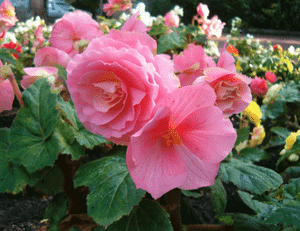
Renowned for its vibrant blossoms and appealing leaves, tuberous begonia flourishes with proper trimming. Essential methods include eliminating faded blooms and compromised foliage to stimulate flower development and preserve plant well-being. The most effective pruning takes place from spring to autumn, aligning with periods of vigorous growth. Important points involve utilizing sanitized, sharp implements to prevent the spread of pathogens. Advantages of trimming encompass improved air movement, decreased susceptibility to illness, and the encouragement of a dense, full growth pattern for visual attractiveness.
Advantages of Trimming Tuberous Begonia
Advantages of Trimming Tuberous Begonia
Trimming tuberous begonia promotes a richer bloom, boosts vigorous development, and assists in maintaining its desired form. Careful cutting prevents congestion, which can decrease air circulation and light penetration, thereby reducing the likelihood of disease and pest issues.
Optimal Time for Trimming Tuberous Begonia
Optimal Time for Trimming Tuberous Begonia
Late winter to early spring is perfect for pruning tuberous begonia as it precedes new growth, ensuring the plant's energy is directed towards fresh, healthy development rather than sustaining old or dead foliage. Summer trimming is beneficial for removing spent flowers and shaping the plant, encouraging a bushier habit and potentially a second bloom. Fall pruning involves eliminating old or diseased leaves and stems to prepare the plant for dormancy, enhancing its overall health and ensuring a strong return the following growing season.
Required Tools for Pruning Tuberous Begonia
Bypass Pruners
These are ideal for tuberous begonia due to their precise and clean cutting action, which is vital for avoiding damage to the delicate stems.
Sharp Scissors
Tuberous begonia can benefit from sharp scissors for trimming dead or yellowing leaves, as their precision can prevent unnecessary plant stress.
Disinfectant
Using a disinfectant on tools before pruning tuberous begonia minimizes the risk of spreading diseases between plants.
Gloves
Protective gloves are recommended to shield skin from potential irritants when handling tuberous begonia.
How to Prune Tuberous Begonia
Sanitize Tools
Before starting, sterilize pruning tools with isopropyl alcohol or a bleach solution to prevent disease spread to tuberous begonia.
Remove Diseased Foliage
Carefully cut off any diseased leaves at the base of their stems. Properly dispose of these leaves to avoid contamination.
Trim Withered Leaves
Identify and remove withered leaves by cutting them at the stem's base to promote healthy growth and air circulation around tuberous begonia.
Deadhead Blooms
Deadhead spent flowers by snipping them off at the base of the bloom stalk to encourage tuberous begonia to direct energy towards new growth and blooms.
Clean Up
Clear all trimmings from around tuberous begonia to deter pests and disease, and to maintain a tidy appearance.
Common Pruning Errors with Tuberous Begonia
Excessive Pruning
Removing too much foliage from tuberous begonia, which can weaken the plant and reduce its ability to flower effectively.
Cutting Too Close
Trimming the stems of tuberous begonia too near the tuber or main stem can harm the plant and introduce disease.
Using Dull Tools
Pruning tuberous begonia with dull or dirty tools can cause jagged cuts that make the plant more susceptible to pests and diseases.
Neglecting Dead Material Removal
Failing to clear away dead or dying flowers and leaves, which can hinder new growth and mask potential problems like rot or infestation in tuberous begonia.
Incorrect Cutting Angle
Making cuts at the wrong angle can prevent water from running off the stem of tuberous begonia, potentially leading to rot.
General Pruning Advice for Tuberous Begonia
Sharp, Clean Tools
Use sterile, sharp pruning shears to make clean cuts on tuberous begonia, which help prevent disease and promote faster healing.
Selective Thinning
Thin out tuberous begonia's crowded areas to improve air circulation, which can minimize the risk of fungal diseases while maintaining plant shape.
Deadheading
Regularly remove spent blooms from tuberous begonia to encourage more flowering and redirect the plant's energy to healthy growth.
Cut At Internodes
Make your pruning cuts just above leaf nodes or internodes on tuberous begonia, ensuring that you do not damage new buds forming below the cut.
Discretion With Young Plants
Exercise extra care when pruning young tuberous begonia, as they can be particularly sensitive to excessive pruning.



