How to Prune Brazilian begonia?
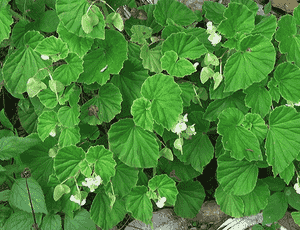
This exotic perennial is valued for its abundant leaves and fragile flowers. Trim brazilian begonia to preserve its form and foster denser development, eliminating any deceased or excessively dense stalks. Cut directly above leaf junctions and pinch the ends to stimulate branching. While early spring is optimal, minor trimming is permissible during summer and autumn. Avoid extensive cuts to prevent stressing the plant. Trimming improves air movement, lowers the chance of illness, and encourages blooming, guaranteeing a lively, thriving appearance.
Advantages of Trimming Brazilian Begonia
Advantages of Trimming Brazilian Begonia
Trimming brazilian begonia promotes abundant flowering, maintains its compact shape, and stimulates vigorous development, ensuring the plant's vitality and visual appeal.
Optimal Time for Trimming Brazilian Begonia
Optimal Time for Trimming Brazilian Begonia
Trimming in Spring allows brazilian begonia to recover from any winter damage and encourages new growth as the plant enters its active growth phase. Early Summer trimming accommodates the growth cycle by shaping the plant before it invests too much energy into growth that will be removed, thus conserving the plant's resources. Trimming during Fall helps prepare brazilian begonia for dormancy by removing any dead or diseased foliage, which could harbor pests or disease over the winter, while avoiding late Summer trimming which can stimulate new growth that may not harden off before the colder months.
Tools Required for Trimming Brazilian Begonia
Bypass Pruners
Perfect for making clean cuts on brazilian begonia's delicate stems without causing undue harm. Bypass pruners operate like scissors with two curved blades that slide past each other.
Micro-tip Snips
Excellent for precise trimming of brazilian begonia, allowing for the snipping of small or hard-to-reach areas without damaging nearby foliage or flowers.
Soft-Grip Shears
Useful for trimming and shaping brazilian begonia when there's a need to cut multiple stems at once, while providing a comfortable grip to reduce hand fatigue during extensive trimming tasks.
Disinfectant
Essential for sterilizing trimming tools both before and after use on brazilian begonia to prevent the spread of disease.
How to Trim Brazilian Begonia
Sanitize Tools
Before starting the trimming process, ensure all trimming tools are sterilized to prevent the spread of disease to brazilian begonia.
Remove Diseased Leaves
Carefully inspect brazilian begonia for diseased leaves. Using your sterilized tools, cut these leaves off at the base, where the leaf stem meets the main plant, being careful not to damage the main stem.
Trim Withered Leaves
Identify any withered or dying leaves on brazilian begonia and trim them using the same technique as Step 2, making clean cuts to avoid tearing the stems. This will encourage new growth and improve air circulation.
Deadhead Flowers
Locate withered flowers on brazilian begonia and remove them by pinching them off with your fingers or using scissors to cut them just above the nearest leaf joint. Deadheading will promote blooming and redirect the plant's energy.
Dispose Of Debris
After trimming, collect and dispose of all the removed plant parts properly to prevent any potential disease from spreading in the area where brazilian begonia is grown.
Common Trimming Errors with Brazilian Begonia
Excessive Trimming
Removing too much foliage at once can stress brazilian begonia and lead to poor growth or plant shock. Generally, gardeners should not remove more than one-third of the plant at any trimming session.
Neglecting Tool Disinfection
Using tools that haven't been cleaned and disinfected can spread diseases between plants. Always use sterilized shears or scissors when trimming brazilian begonia.
Ignoring Deadheading
Failing to remove spent flowers, also known as deadheading, can result in brazilian begonia expending energy on seed production rather than new growth and blooms.
Not Making Angled Cuts
Cutting stems straight across can allow water to pool on the cut surface, encouraging rot and disease. Angled cuts help water run off and promote quicker healing.
Incorrect Cut Placement
Cuts made too far from a node or too close can either stunt new growth or harm the plant. Trimming just above a node encourages healthy new shoots.
Trimming Without A Plan
Randomly cutting back the plant without understanding its growth pattern can result in an unbalanced and unattractive shape. Gardeners should trim with the natural form of brazilian begonia in mind.
General Trimming Advice for Brazilian Begonia
Sanitize Equipment
Before beginning, sterilize trimming shears or scissors to prevent the spread of disease. Use a solution of bleach or alcohol for effective sterilization.
Sharp Tools
Use sharp tools to make clean cuts, which are better for brazilian begonia's health and recovery. Dull tools can crush stems and make ragged cuts that are harder for the plant to heal.
Identify Growth Nodes
Locate growth nodes on brazilian begonia as the ideal spot to trim. Make cuts about a quarter inch above these nodes to encourage branching and new growth.
Deadheading
Regularly remove spent flowers to promote more flowering. For brazilian begonia, which is a habitual bloomer, this encourages the energy to be redirected to new blooms and growth.
Encourage Bushiness
If a fuller plant is desired, pinch back the young growing tips to encourage branching. This will help brazilian begonia become bushier rather than leggy.
Assess Before Cutting
Inspect brazilian begonia and have a clear idea of why each cut is being madeâwhether to shape, remove diseased or dead material, or encourage flowering. Trimming with intention results in a healthier plant.



