How to Prune Hardy begonia?
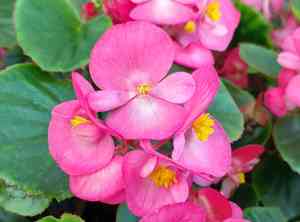
Known for its drooping bunches of pink blossoms and cordate foliage, Begonia grandis flourishes with judicious trimming. Eliminate deceased or ailing stalks at any point, and sculpt the plants following the final frost in early spring. A reduction to soil level could be necessary periodically to maintain vitality. Trim minimally in late summer, taking care not to harm nascent buds. This guarantees robust development, prevents excessive growth, and encourages superior blooming in the subsequent season.
Advantages of Trimming Hardy Begonia
Advantages of Trimming Hardy Begonia
Trimming hardy begonia encourages robust new growth, ensuring the plant stays lush and strong. Through selective cutting, gardeners can maintain its desired form and size, enhancing hardy begonia's decorative appeal.
Optimal Time for Trimming Hardy Begonia
Optimal Time for Trimming Hardy Begonia
Trimming hardy begonia in early spring is advantageous as it coincides with the initial growth phase following its winter dormancy. This timing allows for the removal of any foliage that died or was damaged during winter. Furthermore, pruning at this stage fosters healthy new growth and aids in shaping the plant. Removing old foliage before new leaves emerge ensures energy is directed towards developing fresh, vibrant leaves and stems. In late summer, once hardy begonia has finished blooming, a light trim can help maintain its shape and stimulate a second flush of growth before it prepares for dormancy again. Late summer pruning also permits the removal of spent flowers, which can improve the plant's overall look and prevent it from expending resources on seed production, thus channeling more energy into the plant's health and vigor.
Tools Required for Trimming Hardy Begonia
Bypass Pruners
Perfect for making clean cuts through the relatively slender stems of hardy begonia, minimizing damage and promoting faster recovery.
Fine-Pointed Snips
Ideal for deadheading the delicate blooms of hardy begonia and trimming small or hard-to-reach stems without harming the plant.
Pruning Shears
Suitable for cutting slightly thicker stems and removing faded flowers, ensuring the ongoing health and aesthetic quality of hardy begonia.
How to Trim Hardy Begonia
Step1: Tool Preparation
Gather appropriate pruning tools such as sharp, clean cutting shears or scissors. Disinfecting your tools before use helps prevent the spread of diseases to hardy begonia.
Step2: Dead Leaf Identification
Identify the dead leaves on hardy begonia. These are typically discolored, brown, or yellow leaves that may appear wilted or dry.
Step3: Dead Leaf Removal
Carefully snip the dead leaves at the base of the stem where they connect to the main plant, taking care not to damage adjacent healthy leaves or stems.
Step4: Spent Flower Location
Locate the spent flowers on hardy begonia. These flowers will have finished their bloom cycle and will no longer look vibrant or may be wilting.
Step5: Spent Flower Pruning
Remove the spent flowers by cutting them off where the flower stalk meets the stem. Make the cut just above the first set of healthy leaves.
Step6: Leggy Stem Identification
Examine hardy begonia for leggy stems, which are elongated stems with sparse leaves that make the plant look sparse and unbalanced.
Step7: Pruning Leggy Stems
Prune the leggy stems back to a node where there are leaves. Make the cut at a 45-degree angle to encourage new growth and to allow water to run off the cut surface.
Step8: Debris Cleanup
After pruning, clear away all the debris from around hardy begonia to reduce the risk of disease or pests.
Step9: Post-Pruning Watering
Water hardy begonia deeply after pruning to encourage recovery and new growth, ensuring that the soil is moist but well-drained.
Step10: Growth Monitoring and Care
Monitor hardy begonia over the following weeks for signs of new growth and ensure it receives adequate light exposure and humidity which is vital for its recovery and continued health.
Aftercare for Hardy Begonia Post-Pruning
Aftercare for Hardy Begonia Post-Pruning
Following pruning of hardy begonia, promptly sanitize cuts with a fungicide to prevent infection. Position hardy begonia in a bright, indirect light setting with consistent, moderate humidity, and maintain a temperature range of 60-70°F. Initiate a light fertilizing regimen using a balanced, water-soluble fertilizer to aid recovery. Regularly inspect the plant for wilted leaves or rot as indicators of stress. If symptoms appear, adjust care accordingly, and consult a specialist if conditions worsen.
Frequent Pruning Errors with Hardy Begonia
Avoid excessive pruning at one time
Over-pruning, which involves cutting away too much of hardy begonia at once, can stress the plant and hinder its ability to flourish.
Use clean, sharp pruning tools
Using dull or dirty pruning tools can cause damage to the stems of hardy begonia, leading to improper cuts and potential disease entry.
Understand plant's growth pattern before pruning
Pruning without understanding the growth pattern of hardy begonia, such as where the new growth emerges, can result in the accidental removal of healthy, productive parts of the plant.
General Pruning Advice for Hardy Begonia
Use sterile, sharp tools for healthy cuts
Use clean, sharp tools to make clean cuts on hardy begonia, which will help prevent disease and allow the plant to heal more quickly.
Remove dead or dying foliage to promote health
Focus on removing any dead or dying foliage and flowers to direct hardy begonia's energy toward healthy growth and blooms.
Prune for shape and good air flow
Regularly check hardy begonia for signs of overcrowding and gently prune to shape the plant while maintaining its natural form and promoting good air circulation.
Encourage branching with careful pruning
Prune hardy begonia carefully to encourage branching, which results in a fuller plant with more leaves and potential flowers.



