How to Prune Bonsai begonia?
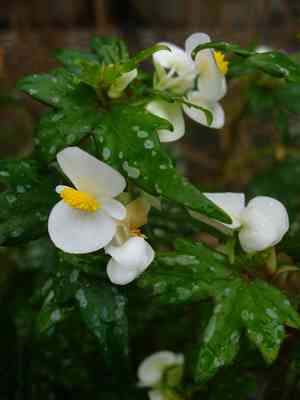
This variety, recognized for its tiny, fragile foliage and bushy development pattern, flourishes with consistent upkeep. Essential trimming methods include nipping the ends to stimulate denser growth and eliminating any deceased or discolored leaves. The most effective pruning should occur in late winter or early spring, coinciding with the plant's period of active development. Pruning alleviates congestion, improves air movement, and fosters robust well-being, establishing it as a fundamental aspect of nurturing this specific plant.
What Are the Benefits of Pruning Bonsai Begonia?
What Are the Benefits of Pruning Bonsai Begonia?
Trimming bonsai begonia encourages robust development and preserves its compact, appealing shape. Strategic cuts foster a fuller, healthier plant by promoting new branching and lowering disease risk.
What Is the Best Time for Pruning Bonsai Begonia?
What Is the Best Time for Pruning Bonsai Begonia?
Pruning bonsai begonia in late winter or early spring is beneficial as it coincides with the end of the plant's dormant phase, just before its new growth cycle begins. Late winter pruning ensures minimal energy is spent on parts to be removed, saving resources for new growth. Early spring pruning can stimulate new growth, shaping the plant and encouraging a more vigorous flowering season. It's also easier to identify pruning targets before bonsai begonia fully leafs out. This timing prevents damage to new shoots and reduces plant stress, maintaining its health and vitality. Avoiding pruning during active growth, flowering, or fruiting allows the plant to focus energy on recovery and desired development, enhancing its overall growth potential and aesthetic appeal.
What Tools Do I Need to Prune Bonsai Begonia?
Precision Pruners
Given bonsai begonia's delicate nature and the need for accurate cuts to shape its structure, fine-tipped precision pruners enable careful snipping without harming adjacent stems or leaves.
Micro-Tip Snips
Since bonsai begonia may have small, intricate branches, micro-tip snips are ideal for detailed pruning, designed to access tight spaces without causing unnecessary plant damage.
Lightweight Bypass Pruners
These are effective for cleanly cutting through stems without crushing the plant's delicate tissues, which is crucial for bonsai begonia's well-being.
Sharpening Tool
Keeping pruning tools sharp ensures clean cuts that heal quickly, reducing disease risk, which is vital for maintaining bonsai begonia's vigor.
Alcohol Wipes or Disinfectant
To prevent pathogen spread between plants or damaged bonsai begonia tissues, it's essential to sanitize tools before and after use with alcohol wipes or a disinfectant solution.
How to Prune Bonsai Begonia
Clean Tools
Before pruning bonsai begonia, sanitize your pruning tools to prevent disease transmission. Use a solution of one part bleach to nine parts water or rubbing alcohol to clean the blades.
Remove Diseased
Identify and trim away all diseased leaves from bonsai begonia. Cut the leaves at their base where they meet the stem or main branch, being careful not to tear or damage the plant's structure.
Trim Withered
Trim any withered leaves from bonsai begonia by cutting them cleanly at the base of the leaf stem. Removing these leaves will help redirect energy to healthier parts of the plant.
Inspect Plant
After removing diseased and withered leaves, inspect bonsai begonia for any signs of pests or further disease that may have been missed initially to ensure a healthy growing environment.
Clean Site
Once pruning is finished, clean up all fallen debris around bonsai begonia to discourage fungal growth and pests. Dispose of the diseased and withered leaves appropriately, away from healthy plants.
Common Pruning Mistakes with Bonsai Begonia
Over-Pruning
Removing too much growth can stress bonsai begonia, leading to weakened plants and reduced flowering potential.
Pruning Too Close
Cutting too close to the main stems or leaf nodes can damage bonsai begonia and impede healthy regrowth.
Ignoring Dead Material
Failing to remove dead or dying leaves and stems can invite pests and diseases, affecting the overall health of bonsai begonia.
Neglecting Tool Hygiene
Using dirty tools can spread disease between plants, affecting bonsai begonia's health.
Uneven Cuts
Making jagged or uneven cuts can harm bonsai begonia by preventing proper healing and making them more susceptible to diseases.
Common Pruning Tips for Bonsai Begonia
Sharp Tools
Use clean, sharp pruning shears to make precise cuts, ensuring quick healing and reduced stress on bonsai begonia.
Prune For Shape
Maintain the desired form of bonsai begonia by selectively removing overgrown or unsightly branches without compromising the plant's natural shape.
Promote Airflow
Thin out dense foliage to increase light penetration and airflow, which helps prevent fungal infections in bonsai begonia.
Rejuvenation
To rejuvenate an older bonsai begonia, selectively prune to remove a third of the oldest stems, which will encourage fresh growth.
Follow Natural Lines
When pruning bonsai begonia, follow the natural growth patterns to maintain a pleasing aesthetic while encouraging healthy development.



