How to Prune Wax begonia?
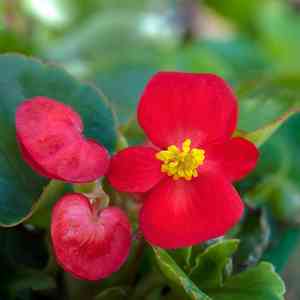
This enduring plant, recognized for its lustrous foliage and vibrant blossoms, flourishes across diverse settings. Essential trimming methods for wax begonia involve nipping off faded flowers to stimulate further blooming and shortening elongated stems to foster denser development. Trimming can be performed at any point since wax begonia is a year-round specimen. Consistent removal of spent blooms deters seed development, channeling vitality towards leaves and flower generation, thereby improving the plant's visual charm.
Advantages of Trimming Wax Begonia
Advantages of Trimming Wax Begonia
Trimming wax begonia promotes abundant flowering and robust development. Precise cuts help maintain its desired form, leading to an attractive and thriving plant.
Optimal Time for Trimming Wax Begonia
Optimal Time for Trimming Wax Begonia
Spring marks the beginning of wax begonia's growth cycle, making it an ideal period for pruning as the plant will quickly recover and produce new growth. Spring pruning also aids in shaping the plant and encourages a more dense and compact growth habit, which is aesthetically pleasing for wax begonia. Consistent light trimming throughout the year helps preserve the desired form and removes any unhealthy or dead foliage, ensuring good plant health and continuous blooms where applicable.
Required Tools for Trimming Wax Begonia
Small Hand Pruners
Perfect for precise trimming of wax begonia's delicate stems and excess leaves. Select a pair with a bypass blade for clean cuts that encourage healthy regrowth.
Micro-Tip Snips
Excellent for deadheading wax begonia flowers or trimming small, hard-to-reach areas. Their small blades offer accuracy without harming nearby stems and leaves.
Gardening Shears
Useful for shaping wax begonia and thinning out dense foliage. Ensure they are sharp to prevent bruising or tearing, which can lead to disease.
Pruning Scissors
Suitable for snipping off yellow or damaged leaves of wax begonia and other soft plant material. Lightweight and easy to handle for detailed tasks.
Tool Disinfectant
To prevent disease spread, sanitize pruning tools with a disinfectant before and after use on wax begonia.
How to Trim Wax Begonia
Step1: Removing Faded Blooms
Identify withered or spent blooms on wax begonia. These often appear as flowers that have lost color and are wilting or drying. Deadheading, or removing spent flowers, encourages wax begonia to produce more blooms and maintains plant vitality.
Step2: Using Sterilized Shears for Cutting
Using sterile, sharp scissors or pruning shears, snip the withered flowers at their base, just above the first set of healthy leaves. Be careful not to damage wax begonia's stems or foliage while removing dead blooms.
Step3: Identifying Overgrown Stems
Examine wax begonia for overgrown stems, which are recognized as shoots that are lengthening disproportionately, causing the plant to lose its compact, bushy form. Overgrown shoots often have fewer leaves and may appear leggy.
Step4: Cutting Back for Form and Density
To maintain an attractive shape and promote bushier growth, cut back the overgrown stems. Make cuts just above a leaf node or a branching point where new growth can emerge. This is typically about one-quarter to one-third back from the end of the shoot.
Step5: Regular Trimming for Dense Growth
Periodically prune wax begonia's overgrown stems, especially during the growing season; this will result in a denser and more appealing shape. Remember that moderation is key, as excessive pruning can stress wax begonia.
Step6: Disposing of Pruning Waste
Discard all cuttings to prevent any potential spread of disease or pests. Keeping the pruning area clean helps maintain wax begonia's health.
Step7: Post-Pruning Irrigation
After trimming, water wax begonia adequately to minimize stress and aid recovery. However, be careful not to overwater, as wax begonia prefers well-drained soil conditions.
Step8: Monitoring Post-Prune Recovery
Observe wax begonia for signs of new growth or any stress after pruning. Adjust care as needed, including watering, feeding, and light requirements, to ensure robust growth following pruning.
Aftercare for Wax Begonia Post-Pruning
Aftercare for Wax Begonia Post-Pruning
Following pruning, wax begonia requires gentle care for recovery. Ensure the plant is in a bright, indirect light setting to encourage new growth, while avoiding direct sunlight that can harm tender foliage. Maintain moderate humidity and a stable temperature between 60-75°F. Post-pruning, slightly reduce watering but keep the soil consistently moist. Apply a balanced, diluted fertilizer to support wax begonia's recovery, but avoid overfeeding which can stress the plant. Regularly monitor wax begonia for signs of stress, like wilting or discolored leaves, and for any infection indicated by spots or decay. If signs of distress are noted, adjust care accordingly to mitigate any issues.
Common Pruning Errors with Wax Begonia
Excessive Foliage Removal
Over-pruning, which can lead to the removal of too much foliage and reduce wax begonia's overall vigor and bloom potential.
Dull or Unsanitized Pruning Tools
Using dull or unclean pruning tools, potentially resulting in jagged cuts that heal poorly and may introduce disease to wax begonia.
Pruning Without a Clear Goal
Pruning without a specific objective, causing indiscriminate removal of stems and foliage that can lead to an unattractive appearance or uneven growth of wax begonia.
Failure to Remove Dead Material
Neglecting to remove dead or diseased material, which can hinder new growth and potentially spread pathogens throughout wax begonia.
Disregarding Plant's Natural Form
Ignoring the plant's inherent shape, leading to a pruned appearance that is uncharacteristic of wax begoniaâs growth habit.
General Pruning Advice for Wax Begonia
Utilize Sharp, Clean Pruning Tools
Employ sharp, clean pruning shears or scissors to make precise cuts, which help wax begonia recover faster and minimize plant stress.
Deadhead for New Blooms
Focus on removing dead or fading blooms, known as deadheading, to encourage wax begonia to produce new flowers and maintain a tidy appearance.
Prune for Shape and Density
Prune for shape and density by lightly trimming the tips of wax begonia, promoting a bushier growth habit and improving air circulation within the plant.
Trim Back Leggy Stems
Cut back elongated stems that have become spindly to revitalize wax begoniaâs growth and maintain a compact form.
Inspect for Disease and Pests
Regularly inspect wax begonia for any signs of disease or pests during pruning and take immediate action to resolve any issues to maintain plant health.



