How to Prune Malabar spinach?
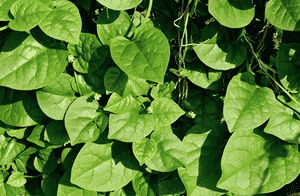
A climbing leafy vegetable savored in salads and prepared meals, malabar spinach flourishes with consistent trimming. Promote denser foliage by nipping off the terminal buds, particularly during vigorous phases from early spring to late autumn. Discard any discolored or deceased leaves to preserve the plant's well-being. Trimming not only improves air movement and lowers the chance of illness but also incites ongoing leaf generation, essential for an extended yield.
What Are the Benefits of Pruning Malabar Spinach?
What Are the Benefits of Pruning Malabar Spinach?
Trimming malabar spinach is crucial for maintaining its strong growth and desired form. Strategic cutting back promotes denser, fuller plants, which can result in a greater yield of leaves for harvesting.
What Is the Best Time for Pruning Malabar Spinach?
What Is the Best Time for Pruning Malabar Spinach?
Malabar spinach is a rapidly growing, tropical vine that thrives in warm conditions and tolerates diverse soil types. Pruning in early spring is advantageous as it helps manage the plant's shape, encourages bushier development, and removes any winter cold damage. This period marks the start of malabar spinach's active growth phase, and pruning can stimulate new shoots. As summer progresses, light trims can be performed to maintain the plant's preferred size and density. In late fall, proportional pruning helps prepare malabar spinach for the upcoming colder months, though this is less critical in tropical climates where malabar spinach may grow year-round. Pruning during these times avoids the plant's crucial flowering or fruiting stages, thereby preserving its productive capacity. Furthermore, consistent trimming during the growing season prevents overgrowth and enhances air circulation, which in turn lowers the risk of fungal diseases. This practice also simplifies harvesting the edible leaves and stems of malabar spinach, ensuring a continuous supply throughout its growing period.
What Tools Do I Need to Prune Malabar Spinach?
Hand Pruners
These are perfect for making clean cuts on the young and soft stems of malabar spinach without harming the plant.
Gardening Shears
They can be utilized for trimming and shaping malabar spinach, offering precision when cutting the delicate stems and leaves.
Pruning Saw
If malabar spinach possesses older, woodier stems, which is uncommon, a fine-toothed pruning saw can be employed for smooth cuts.
Gloves
Wearing gloves is advisable to safeguard hands when handling malabar spinach, preventing potential skin irritation from its sap.
Garden Scissors
For deadheading or precisely removing spent leaves and flower clusters to encourage new growth in malabar spinach.
How to Prune Malabar Spinach
Step1: Identifying Old Vines
Locate the mature vines on malabar spinach. These are typically tougher, thicker, and may appear woody compared to the more tender, green growth.
Step2: Precision Pruning of Old Vines
Using clean, sharp shears, make accurate cuts on the old vines of malabar spinach. Cut at a 45-degree angle, just above a leaf node, where new growth can emerge. Be careful not to damage any new shoots.
Step3: Damaged Leaves Assessment
Evaluate malabar spinach for damaged leaves. Look for foliage that is discolored, wilted, or shows signs of pest infestation or disease.
Step4: Removing Damaged Leaves
Gently detach the damaged leaves from malabar spinach by snipping them off at the base of the leaf stem, taking care not to tear the vine or adjacent leaves.
Step5: Dead Stem Detection
Search for any dead stems on malabar spinach, which are dry, brittle, and lack signs of new growth or green tissue.
Step6: Pruning Dead Stems
Trim the dead stems back to their base or to the nearest healthy section of the stem using your shears. Make clean cuts to prevent disease entry.
Step7: Shaping for Light and Air Circulation
While pruning malabar spinach, aim to create an overall form that allows light and air to penetrate the plant, which promotes healthy growth and reduces disease risk.
Step8: Shears Sanitization
Sanitize your shears after completing pruning malabar spinach to prevent the spread of any potential pathogens to other plants.
Step9: Dispose of Pruning Debris
Gather all the cut material from malabar spinach and discard it away from your garden area to minimize the risk of disease.
Step10: Post-Pruning Plant Care
After pruning malabar spinach, water the plant's base if the soil is dry, and apply a balanced fertilizer to support new growth.
Step11: Growth Monitoring and Support
Monitor malabar spinach after pruning for indications of new growth. This can also be an opportune moment to install support structures like trellises, if not already present, as malabar spinach is a vining plant.
Step12: Seasonal Pruning Maintenance
Repeat the pruning process as needed throughout the growing season to maintain the health and productivity of malabar spinach.
Post-Pruning Care for Malabar Spinach
Post-Pruning Care for Malabar Spinach
Following malabar spinach pruning, water immediately to aid recovery. Maintain high humidity and indirect sunlight, ensuring temperatures remain between 70-90°F. Apply a balanced liquid fertilizer to boost growth. Watch for wilting or discoloration as stress indicators. If observed, reduce sun exposure and check for pests or disease, applying organic fungicide or insecticide if necessary. Consistent post-pruning care encourages vigorous regrowth of malabar spinach.
Common Pruning Mistakes with Malabar Spinach
Over-pruning Stresses Plants
Excessive pruning at once can stress malabar spinach, leading to reduced vitality and potentially harming the plant.
Dull Tools Cause Damage
Using blunt or unclean pruning tools can injure malabar spinach's stems and create entry points for disease.
Main Stem Injury Hinders Growth
Accidentally cutting into the woody, main stem of malabar spinach can impede growth or even result in the loss of the entire plant.
Neglecting Dead Foliage Spreads Disease
Failing to remove dead or diseased foliage can lead to the further spread of disease and pest issues in malabar spinach.
Sparse Pruning Reduces Airflow
Removing too few older leaves can cause overcrowding and poor air circulation, impacting malabar spinach's overall health.
Common Pruning Tips for Malabar Spinach
Sharp Shears Promote Healing
Utilize sharp, clean pruning shears to make precise cuts on malabar spinach, which helps ensure rapid healing and reduces disease risk.
Pinching Tips Encourages Bushiness
Regularly prune by pinching off the tips to promote denser growth and increased leaf production in malabar spinach.
Removing Yellow Leaves Improves Circulation
Remove dead or yellowing leaves at their base to enhance air circulation and overall plant health for malabar spinach.
Thinning Old Leaves Spurs Growth
When thinning malabar spinach, target the older, larger leaves to stimulate growth and allow light to reach the plant's center.
Selective Pruning Manages Plant Shape
For malabar spinach trained on a trellis or support, selectively prune to manage its shape and size, ensuring the plant remains manageable and aesthetically pleasing.



