How to Prune Sea poison tree?
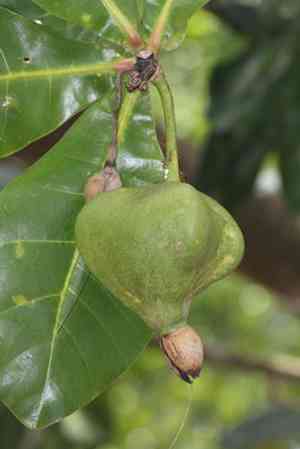
The sea poison tree, recognized by its substantial, tough leaves and considerable fruit frequently observed in littoral zones, is a prominent botanical specimen that thrives with appropriate trimming. Essential pruning methods involve excising deceased or ailing limbs and reducing congested sections to foster air movement. The most effective time for pruning is in winter, when the plant is inactive. Trimming the sea poison tree can bolster its structural soundness and avert potential harm from its weighty fruit, thereby guaranteeing its ongoing well-being and robustness.
Advantages of Trimming Sea Poison Tree
Advantages of Trimming Sea Poison Tree
Trimming sea poison tree promotes robust development and preserves its desired form. This aids in optimizing photosynthesis, enhancing air circulation, lowering disease risk, and fostering a more vibrant display of its distinctive blooms and fruits.
Optimal Period for Pruning Sea Poison Tree
Optimal Period for Pruning Sea Poison Tree
Winter is considered the best time for pruning sea poison tree because the plant is typically dormant during this season. The dormancy phase is ideal for pruning as it minimizes stress on sea poison tree and reduces the chance of infection or disease exploiting fresh cuts. Furthermore, the absence of leaves at this time allows for better visibility of the plant's structure, enabling more precise and strategic cuts. By removing dead or diseased branches in winter, it encourages healthier growth in the subsequent season, aligning the pruning activity with the plant's natural growth cycle. It is also crucial to prune sea poison tree before the arrival of spring, when new growth commences. This ensures that the plant's energy is directed towards the development of new, healthy branches, foliage, and potentially flowers or fruit, during its natural blooming or fruiting periods.
Necessary Tools for Pruning Sea Poison Tree
Hand Pruners
For cutting thinner branches and twigs of sea poison tree, hand pruners or secateurs are essential. They provide clean cuts and reduce damage to the plant tissue.
Lopping Shears
Sea poison tree may develop thicker branches that require tools designed for cutting through larger diameters. Lopping shears can handle these branches and allow for cuts further from the body.
Pruning Saw
When sea poison tree has mature branches that are too thick for lopping shears, a pruning saw is necessary. It's a tool designed to cut through very thick branches ensuring a clean cut without causing harm.
Pole Pruner
Sea poison tree can reach considerable heights, making a pole pruner useful for reaching and safely cutting branches that are out of armâs reach without resorting to climbing or using ladders.
Gloves
Protective gloves are recommended to maintain safety when pruning sea poison tree, as it might have rough bark or sap that could irritate the skin.
How to Prune Sea Poison Tree
Identify
Examine sea poison tree thoroughly to locate all dead and diseased branches. Diseased limbs often exhibit discoloration, unusual growths, or visible damage.
Sterilize
Sterilize pruning tools with a solution of one part bleach to nine parts water to prevent the spread of disease during the pruning process.
Prune Dead
Using sharp, clean pruning shears, carefully remove dead branches by making clean cuts at a 45-degree angle, about 1/4 inch above a bud that faces the outside of the plant. This promotes better air circulation and light penetration.
Prune Diseased
Cut away diseased branches, ensuring to remove the entire affected area and an additional few inches into healthy wood to halt the spread of infection.
Dispose
Dispose of all removed branches properly, being careful to not leave any on the ground near sea poison tree as they can harbor pests or diseases.
Common Pruning Errors with Sea Poison Tree
Over-Pruning
Pruning too much can stress sea poison tree and slow its growth or even cause damage to the plant's structure. It's important to prune no more than one-third of the plant at a time.
Improper Tool Use
Not using clean, sharp tools can result in jagged cuts that are more susceptible to disease and pests. Proper tool maintenance is crucial for the health of sea poison tree.
Neglecting Weak Or Diseased Branches
Failing to remove dead, diseased, or weak branches can hinder sea poison tree's growth and health, as they can harbor pests and diseases that may spread to healthier parts of the plant.
Pruning At Wrong Angle
Incorrect cutting angles can create larger wounds that take longer to heal and can lead to decay. It's vital to make clean, angled cuts that promote water runoff and quick healing.
Ignoring Natural Shape
Cutting without considering sea poison tree's natural growth pattern can result in an unbalanced or unnatural appearance and may impact future growth.
General Pruning Advice for Sea Poison Tree
Identify Growth Pattern
Understanding the growth habit of sea poison tree helps target pruning efforts and maintain the natural shape and structure of the plant.
Selective Thinning
Focus on thinning out crowded areas to increase air circulation and light penetration, which can improve the overall health and aesthetics of sea poison tree.
Prioritize Removal
Always remove crossing, weak, or dead branches first to maintain plant health and encourage strong growth.
Angle And Position Cuts
Make cuts at a 45-degree angle just above a leaf node or bud to encourage proper healing and direct new growth outward.
Clean Equipment
Keep pruning tools clean and disinfected to prevent the spread of diseases and ensure clean cuts on sea poison tree's branches.



