How to Prune Porcupine flower?
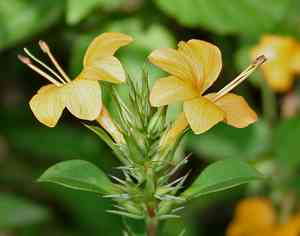
Recognized for its prickly look and vivid blossoms, the porcupine flower thrives with regular trimming to preserve its vitality and form. Perform pruning during the winter, shortening elongated branches to foster denser development. This practice also assists in eliminating any lifeless or ailing leaves, enhancing air circulation and diminishing the likelihood of pests. Deliberate cutting back encourages abundant flowering for outstanding garden presentations while ensuring the plant remains contained and appealing.
Advantages of Trimming Porcupine Flower
Advantages of Trimming Porcupine Flower
Trimming porcupine flower promotes robust development and helps maintain its form. Strategic cuts can lead to denser foliage and increased blooms, while also eliminating any diseased or damaged branches to foster overall plant vitality.
Optimal Time for Pruning Porcupine Flower
Optimal Time for Pruning Porcupine Flower
Pruning porcupine flower in late winter to early spring, just before the growth season begins, is ideal as the plant remains dormant. This timing prevents sap loss, which is more prevalent during active growth, and minimizes stress or disease risk. Additionally, pruning at this stage allows gardeners to shape porcupine flower before new growth starts, ensuring a strong structure for the upcoming flowering period.
Essential Tools for Pruning Porcupine Flower
Hand Pruners
Porcupine flower is a shrub that can grow dense and may require regular trimming to maintain shape and encourage flowering. Hand pruners are ideal for cutting through stems up to half an inch thick, which is typical for porcupine flower's branch size.
Bypass Pruners
These are preferred over anvil pruners for porcupine flower as they make cleaner cuts without crushing its stems, which is important for promoting the plant's health and preventing diseases.
Pruning Saws
For older, woodier stems of porcupine flower that hand pruners cannot handle, a sharp pruning saw is necessary. It allows for precise cutting of thicker branches without causing unnecessary damage to the plant structure.
Long-handled Loppers
When porcupine flower becomes too dense or if some branches are out of reach, long-handled loppers can help in cutting through branches up to 1.5 inches thick and allow for reaching deeper into the plant without causing harm.
Steps to Prune Porcupine Flower
Identify and remove dead material
Examine porcupine flower closely to identify withered leaves, dead and diseased branches. Carefully remove these parts to maintain plant health and appearance.
Disinfect pruning tools
Disinfect your pruning tools before and after use on porcupine flower to prevent the spread of diseases. Use a solution of one part bleach to nine parts water or rubbing alcohol for disinfecting.
Make clean cuts
Use sharp, clean shears to make precise cuts on porcupine flower for removing unwanted material. Make cuts at a 45-degree angle near the base of the withered leaves and just above a leaf node for branches.
Monitor plant health
After pruning, monitor porcupine flower for signs of new growth or further signs of disease. Responsive pruning may be necessary to shape the plant or to remove additional diseased areas.
Water and fertilize post pruning
Give porcupine flower a thorough watering and if necessary, apply a balanced, slow-release fertilizer to aid in its recovery post-pruning.
Frequent Pruning Errors with Porcupine Flower
Over-pruning
Removing too much foliage from porcupine flower, which can stress the plant and lead to weaker growth or reduced flowering.
Improper cut location
Cutting either too close or too far from the node can damage porcupine flower and possibly introduce disease or inhibit recovery and regrowth.
Using dull tools
Pruning with dull or unclean tools can result in jagged cuts that harm porcupine flower and serve as an entry point for pests and diseases.
Ignoring diseased material
Failing to remove diseased or dead material from porcupine flower, which can not only spread the disease but also waste the plant's energy.
Pruning without a plan
Randomly cutting without understanding the growth pattern of porcupine flower can result in an undesirable shape and uneven growth.
General Pruning Advice for Porcupine Flower
Clean tools
Always use sharp, clean pruning shears to make clean cuts on porcupine flower which will heal more quickly and reduce the risk of disease.
Selective pruning
Thinning out crowded areas by selectively pruning porcupine flower to increase light penetration and air circulation, promoting a healthier plant.
Healthy growth removal
Even healthy branches sometimes need to be removed to maintain the desired shape and size of porcupine flower, as well as to encourage new growth.
Cut at angle
Make angled cuts just above the leaf nodes when pruning porcupine flower to allow water to run off and reduce the risk of disease.
Disinfect pruning tools
Before and after pruning porcupine flower, disinfect your tools to prevent the spread of any pathogens between plants.
Use personal protection
Wear gloves and protective clothing while pruning porcupine flower to protect oneself from its spines, minimizing the risk of injury.



