How to Prune Blue wild indigo?
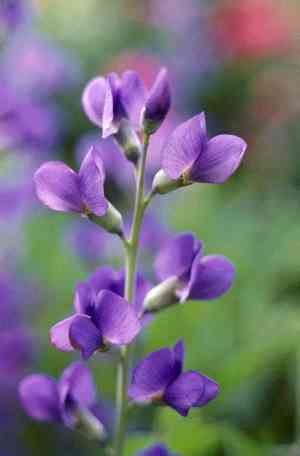
A long-lived leguminous plant featuring spires of purple-blue blossoms and leaves resembling clover, blue wild indigo thrives with trimming to foster denser development and elevate its aesthetic value. Trim the plant in early spring prior to the emergence of new shoots to sculpt and control its dimensions. Remove faded flowers in late summer to stimulate further blooming and inhibit self-propagation. Periodically eliminating aged or compromised stalks enhances the plant's well-being and vitality. Trimming blue wild indigo is uncomplicated and contributes to a sturdier, more orderly look.
What Are the Benefits of Pruning Blue Wild Indigo?
What Are the Benefits of Pruning Blue Wild Indigo?
Trimming blue wild indigo promotes vigorous development and maintains its desired shape. This practice helps foster denser foliage, leading to a more robust and visually appealing plant.
What Is the Best Time for Pruning Blue Wild Indigo?
What Is the Best Time for Pruning Blue Wild Indigo?
Early spring is an ideal period for trimming blue wild indigo because the plant remains dormant, which reduces stress and facilitates a healthier start to the growing season. Pruning at this time assists in shaping the plant and removing any dead or damaged wood without affecting upcoming blooms. Late summer, following flowering, is another suitable season to prune blue wild indigo. At this stage, pruning can stimulate new growth while conserving the plant's energy for the subsequent year. It also aids in preventing excessive self-seeding, if that is a concern. These periods align with the plant's growth cycle, ensuring strong development and abundant blossoms in the next season.
What Tools Do I Need to Prune Blue Wild Indigo?
Hand Pruners
Perfect for cutting stems up to 3/4 inches thick, suitable for blue wild indigo's young, soft stems during routine trimming.
Loppers
These are useful for reaching into denser areas of blue wild indigo and cutting through thicker stems, up to approximately 1 1/2 inches in diameter.
Pruning Saw
A pruning saw might be necessary for mature blue wild indigo plants that have developed thicker, woodier stems that hand pruners and loppers cannot manage.
Gardening Gloves
Protects hands from thorns and plant sap when trimming blue wild indigo, ensuring a safer pruning experience.
Clean Cloth and Rubbing Alcohol
For wiping blades between cuts to prevent disease transmission when pruning blue wild indigo.
How to Prune Blue Wild Indigo
Step1: Timing for Pruning
Wait for the appropriate time to prune blue wild indigo, typically late winter or early spring before new growth emerges. Pruning at this time helps stimulate new growth and maintain plant vitality.
Step2: Sterilizing Pruning Tools
Sanitize your pruning tools with alcohol or a 10% bleach solution to prevent the spread of diseases.
Step3: Removing Old Flowers
Begin by removing any old flowers remaining on blue wild indigo. Cut the spent flower stalks at their base where they meet the foliage using sharp, clean pruning shears.
Step4: Clearing Withered Stems
Identify withered stems that did not survive the winter or appear damaged and discolored. These are unlikely to produce vigorous growth.
Step5: Cutting at Base and Angle
Prune the withered stems at their base where they connect to the main plant body. Make the cut at a slight angle, which helps prevent water accumulation on the cut surface and reduces the risk of disease.
Step6: Shaping Plant Growth
Shape blue wild indigo by cutting back outer growth to maintain a compact, bushy form. Avoid cutting into the woody base, as blue wild indigo does not regenerate well from old wood.
Step7: Thinning for Airflow
Thin out the center of blue wild indigo if it appears overcrowded, to improve air circulation and reduce the risk of fungal diseases.
Step8: Debris Cleanup Post-Pruning
After pruning, clear all debris from around the base of blue wild indigo to minimize the chance of disease.
Step9: Watering After Pruning
Water blue wild indigo after pruning to help the plant recover and encourage new growth.
Step10: Post-Pruning Health Monitoring
Monitor blue wild indigo for any signs of pest issues or diseases after pruning and treat as necessary to maintain plant health.
Post-Pruning Care for Blue Wild Indigo
Post-Pruning Care for Blue Wild Indigo
Immediately after trimming blue wild indigo, water the soil to encourage healing and regrowth. Place blue wild indigo in an area with full to partial sun while ensuring protection from harsh conditions. Maintain moderate temperatures and humidity. Apply a balanced fertilizer to provide essential nutrients; however, avoid over-fertilization, which can be harmful. Monitor blue wild indigo regularly for signs of stress, such as wilting or discoloration. If symptoms of infection arise, treat promptly with appropriate fungicide or insecticide.
Common Pruning Mistakes with Blue Wild Indigo
Severe Over-Pruning Hinders Flowering and Vigor
Excessive pruning, which can lead to reduced flowering and vigor as blue wild indigo reacts negatively to severe cutting back or thinning.
Pruning New Growth Could Remove Future Blooms
Trimming new growth or the current season’s shoots, which may remove buds destined to bloom, diminishing the display of blue wild indigo's flowers the following season.
Ignoring Diseased Stems Spreads Decay
Overlooking dead or diseased stems during pruning, potentially spreading decay and affecting the overall health of blue wild indigo.
Unsanitized Tools Risk Pathogen Transmission
Failing to sanitize pruning tools between cuts, especially when dealing with diseased plants, which can transmit pathogens to healthy parts of blue wild indigo or to other plants.
Weak Stem Neglect Reduces Air Circulation and Light
Neglecting to remove weak or spindly stems, which can lead to poor air circulation and light penetration, resulting in a less robust blue wild indigo.
Common Pruning Tips for Blue Wild Indigo
Remove Dead or Damaged Stems for Health and Beauty
Perform a visual inspection to identify dead, diseased, or damaged stems for removal, as this helps maintain the health and appearance of blue wild indigo.
Prune to Base or Bud for Targeted Growth
Cut stems back to the base, or to a lateral bud or leaf to encourage new growth in the correct direction without leaving unsightly stubs.
Shape Plant for Structure and Strong Stem Development
Prune to shape blue wild indigo for a more structured appearance and to promote the growth of strong, supportive stems.
Thin Out Stems to Boost Air Flow and Light Penetration
Thinning out densely packed stems can improve air circulation and light availability, enhancing the overall health and flowering potential of blue wild indigo.
Sharp, Clean Tools Aid Quick Healing and Prevent Disease
Utilize sharp, clean pruning tools to make precise cuts that will heal quickly, minimizing the risk of disease entry points on blue wild indigo.



