How to Prune Giant timber bamboo?
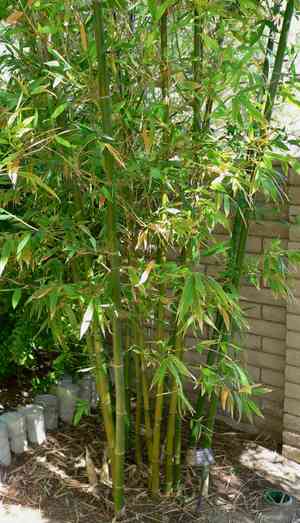
To control its dimensions and encourage robust development, the vigorous and towering giant timber bamboo necessitates consistent trimming. The most suitable periods for pruning are in early spring or throughout winter, when the plant is in its inactive stages. Concentrate on eliminating deceased or frail stalks and reducing older, densely packed groupings to improve air movement and light exposure. Prompt pruning guarantees energetic new shoots and preserves the structural soundness of giant timber bamboo, which is crucial for both its visual attractiveness and overall well-being.
Advantages of Trimming Giant Timber Bamboo
Advantages of Trimming Giant Timber Bamboo
Trimming giant timber bamboo promotes robust development by fostering the emergence of strong, new canes, vital for its framework and vigor. Regular cutting helps preserve its desired form and dimensions, ensuring giant timber bamboo remains an appealing and manageable landscape element.
Optimal Period for Trimming Giant Timber Bamboo
Optimal Period for Trimming Giant Timber Bamboo
Trimming giant timber bamboo during early spring and winter is ideal due to its growth cycle. Early spring pruning stimulates new growth as the plant exits dormancy, leveraging the growing season for healthier, more vigorous development. Winter pruning, when growth is minimal, helps prevent stress and allows for the removal of any dead or damaged culms without hindering the growth of new shoots. Pruning during these seasons aids in maintaining plant health, structure, and appearance without disrupting its natural growth phases.
Tools Required for Trimming Giant Timber Bamboo
Heavy-duty pruning shears
Suitable for cutting younger, thinner canes of giant timber bamboo. They provide precise cuts and are easy to handle for smaller grooming tasks.
Hand saw
Perfect for cutting through thicker canes of giant timber bamboo, especially those exceeding a few inches in diameter. Offers the necessary leverage and strength to manage the robust nature of mature canes.
Lopper
Effective for reaching higher canes and making cuts on branches of moderate thickness. They provide some reach and increased force without needing a ladder.
Pruning saw
Essential for larger-scale management, such as controlling height or removing multiple mature canes. It specifically addresses the density and fibrous nature of giant timber bamboo's canes.
Chainsaw
Recommended for extensive pruning or removing several large canes simultaneously. Must be used with caution and appropriate safety gear, suitable for experienced users dealing with vigorous growth or dense clumping of giant timber bamboo.
How to Trim Giant Timber Bamboo
Clean tools
Before trimming giant timber bamboo, sanitize all pruning implements. Use a solution of 1 part bleach to 9 parts water to clean the blades. This prevents the spread of diseases from other plants.
Remove diseased leaves
Carefully inspect giant timber bamboo for any diseased foliage. Using the sterilized pruning shears, cut these leaves off at their base, near the stem. Ensure clean and precise cuts to avoid harming the bamboo stalks.
Remove withered leaves
Identify withered or dead leaves on giant timber bamboo. These can be gently pulled away if loose or snipped with shears. Removing these leaves helps improve air circulation and light penetration, fostering healthier growth.
Clean up
After trimming, clear away all removed leaves and debris around giant timber bamboo. This helps to prevent disease and pest infestation.
Disinfect
After finishing the trimming session, re-sterilize the tools using the same bleach solution. Also, wash your hands and any clothing that came into contact with the diseased or dead material to reduce the risk of spreading pathogens.
Common Trimming Errors with Giant Timber Bamboo
Over-pruning
Removing too many culms (stalks) at once can severely weaken giant timber bamboo. It's vital to prune selectively to maintain the structural integrity and aesthetic appeal of the bamboo.
Cutting healthy green culms
Cutting newer, greener culms can hinder the growth of giant timber bamboo. Focus primarily on removing older, less vigorous culms to encourage new growth and maintain plant health.
Ignoring weak or damaged culms
Failing to remove weak, damaged, or diseased culms can lead to insufficient air circulation and light penetration, crucial for the health of giant timber bamboo. Removing these can help prevent disease spread and promote healthier growth.
Improper tool use
Using dull or unsuitable tools can cause damage to culms, facilitating disease and pest entry. Always use sharp, clean pruning shears or saws designed for bamboo.
General Trimming Advice for Giant Timber Bamboo
Selective pruning
Aim to remove about a third of the oldest and least vigorous culms annually. This approach promotes rejuvenation and allows light and air to better permeate the canopy of giant timber bamboo, which is essential for its health and growth.
Height adjustment
For height control and to encourage branching, top the culms by cutting just above a node. This can be done to shape giant timber bamboo according to your aesthetic preference or spatial requirements.
Cleanliness
Ensure all tools used for trimming are clean and sharp. This minimizes the risk of spreading diseases and causing damage to the culms.
Post-pruning care
After trimming, apply a balanced fertilizer to support the health of giant timber bamboo and to compensate for any stress caused by pruning. This ensures vigorous growth and the overall vitality of the plant.



