How to Prune Groundsel bush?
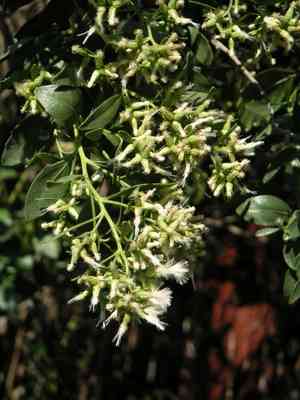
A perennial woody plant frequently employed for preventing soil erosion, groundsel bush thrives with trimming to regulate its dimensions and foster denser development. Essential methods include the judicious removal of mature stalks and the reduction of congested sections. The most effective time for pruning is in late winter or early spring, prior to the emergence of new shoots. This schedule aids in preserving the plant's well-being and robustness, boosts bloom production, and curtails seed dispersal, which is vital for managing its aggressive spread.
Advantages of Trimming Groundsel Bush
Advantages of Trimming Groundsel Bush
Trimming groundsel bush encourages robust development and assists in maintaining its desired form. This practice is crucial for a thriving and well-managed plant.
Optimal Time for Trimming Groundsel Bush
Optimal Time for Trimming Groundsel Bush
Trimming groundsel bush in late winter or early spring is beneficial as the plant is typically dormant then. This timing prevents stress from pruning during active growth and lowers disease risk, more common in warmer, wetter conditions. Also, pruning before new growth ensures the plant's energy goes into healthy new shoots and maintaining shape. Pruning after late spring flowering can remove seed heads, helping control the plant's spread, given groundsel bush's prolific seed production.
Tools Required for Trimming Groundsel Bush
Hand Pruners
Perfect for snipping smaller stems and branches on groundsel bush. They offer accuracy when shaping the bush and are easier to use in confined spaces.
Lopping Shears
Suitable for cutting thicker branches of groundsel bush that hand pruners cannot manage, typically those up to about 1.5 inches in diameter.
Pruning Saw
Essential for any mature or woody stems of groundsel bush that are too thick for loppers, ensuring a clean cut on branches over 1.5 inches in diameter.
Hedge Shears
Useful for shaping groundsel bush and maintaining a specific form, especially when dealing with a hedge or a group of plants.
Gloves
To safeguard hands from thorns or rough branches while trimming groundsel bush.
Pruning Sealer
For sealing larger cuts on groundsel bush to prevent disease and promote good plant health.
How to Trim Groundsel Bush
Step1: Timing for Pruning
Wait for the appropriate pruning period for groundsel bush, which is late winter or early spring before new growth starts. This helps avoid removing any new buds that are beginning to form.
Step2: Sanitize Pruning Tools
Disinfect your pruning shears with rubbing alcohol or a bleach solution to prevent the spread of diseases.
Step3: Wear Protective Gear
Don gloves and safety glasses to shield your skin and eyes from any sap or debris.
Step4: Identify Old Growth
Locate the old wood, which can be identified by its thicker, darker, or more rigid appearance compared to the newer, greener stems.
Step5: Prune Old Wood
Cut the old wood back to the ground or to a strong shoot, making cuts at a 45-degree angle to encourage water runoff and reduce the chance of disease establishment.
Step6: Remove Dead Twigs
Look for dead twigs, which will lack leaves, may be brittle, and snap easily. Carefully remove each dead twig by cutting it back to where it meets a live stem or the main branch.
Step7: Excise Diseased Stems
Inspect groundsel bush for diseased stems, recognizable by discoloration, unusual growth patterns, or the presence of fungal structures. Remove these carefully, cutting well below the affected areas into healthy wood.
Step8: Shape the Plant
If needed, shape groundsel bush by selectively pruning to encourage a desired form, but avoid heavy cutting back as this can stimulate excessive growth that weakens the plant.
Step9: Dispose of Pruning Debris
Discard all removed material, especially anything diseased, in a way that will not facilitate the spread of pathogens, such as burning or thorough composting if appropriate.
Step10: Clean Tools Post-Pruning
Clean and sanitize your tools again after finishing the pruning to ensure no pathogens are transferred to other plants or to groundsel bush in the future.
Post-Trimming Care for Groundsel Bush
Post-Trimming Care for Groundsel Bush
Immediately after trimming groundsel bush, ensure it receives adequate light but not direct hot sun that can stress recovering foliage. Maintain ambient humidity and avoid extreme temperature fluctuations. Apply a balanced fertilizer to promote new growth, considering groundsel bush's native nutrient requirements. Regularly check trimmed areas for signs of stress or infection, such as discoloration or wilted leaves. If symptoms appear, adjust care or consult a plant health specialist.
Common Trimming Errors with Groundsel Bush
Avoid Old Wood Pruning
Cutting into old wood where groundsel bush may not readily resprout, which can weaken or potentially kill the plant.
Prune Outside Stressful Periods
Trimming during periods when groundsel bush is particularly vulnerable to stress, such as during extreme heat or drought conditions, without acknowledging the plant's current health status.
Don't Over-Prune Foliage
Removing too much foliage at once, which can shock the plant and stunt its growth or reduce its ability to photosynthesize efficiently.
Make Precise, Clean Cuts
Making imprecise or jagged cuts, which can lead to damage and introduce pathogens.
Common Trimming Tips for Groundsel Bush
Use Sharp, Clean Tools
Use sharp, clean trimming tools to make clean cuts on groundsel bush, reducing the risk of disease and minimizing stress to the plant.
Prune to Promote Bushing
Cut back to a healthy set of lateral shoots or just above new leaf buds, ensuring groundsel bush has the potential to bush out and promote healthy new growth.
Thin for Air Circulation
Thin out dense areas to improve air circulation, which can help prevent fungal diseases in groundsel bush.
Gradual Shaping
Shape the groundsel bush gradually, removing no more than one-third of the plantâs overall volume during a single trimming session to prevent shock.



