How to Prune Burmese grape?
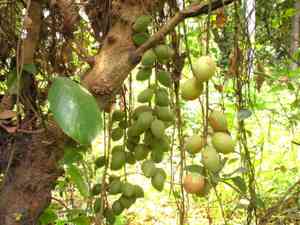
Originating from Southeast Asia, burmese grape is a tropical fruit-bearing tree producing succulent, consumable fruits. To ensure peak health and productivity, conduct yearly pruning in the spring to eliminate deceased or ailing branches and to preserve its form. Prioritize reducing the density of the canopy to improve light access and airflow. Shorten excessively robust branches to encourage fruit development and protect the primary framework. Exercise caution when pruning to prevent harm to the tree's numerous trunks, as this can heighten vulnerability to infestations and illnesses.
What Are the Benefits of Pruning Burmese Grape?
What Are the Benefits of Pruning Burmese Grape?
Trimming burmese grape promotes a more plentiful yield by directing the plant's energy towards fewer, yet healthier, fruits. Regular cutting also stimulates vigorous development and helps maintain the desired form for optimal garden appeal.
What Is the Best Time for Pruning Burmese Grape?
What Is the Best Time for Pruning Burmese Grape?
Pruning burmese grape in late winter or early spring is ideal as it prepares the plant for its upcoming growth phase. This timing minimizes stress on burmese grape since it's still dormant and not actively producing new growth, which would be more vulnerable to damage. Furthermore, pruning before the initial spring growth allows for better wound healing and channels the plant's energy into developing strong, new shoots. Removing dead or overcrowded branches at this time also enhances air circulation and sunlight exposure, vital for burmese grape's health and fruit production. Additionally, clearing any potential winter frost damage helps maintain a robust structure in anticipation of the flowering and fruiting seasons.
What Tools Do I Need to Prune Burmese Grape?
Hand Pruners
Perfect for cutting small branches and twigs of burmese grape, these enable precise cuts without causing unnecessary harm to the plant.
Loppers
Useful for reaching into denser foliage of burmese grape and for cutting thicker branches that hand pruners cannot manage effectively, loppers offer leverage for cleaner cuts.
Pruning Saw
For the thickest branches of burmese grape that loppers cannot cut through, a pruning saw is essential for making clean cuts without splitting the wood.
Hedge Shears
If shaping hedges or performing topiary on burmese grape, hedge shears allow for uniform trimming of small branches and leaves.
Pole Pruner
For the higher branches of burmese grape that are out of normal reach, a pole pruner can be utilized to trim without needing a ladder, ensuring safety.
How to Prune Burmese Grape
Sanitize Tools
Before pruning burmese grape, ensure all pruning tools are disinfected to prevent disease spread. Use a bleach or alcohol solution to thoroughly clean blades.
Remove Dead Material
Identify and eliminate any dead branches from burmese grape. Make clean cuts with sharp shears or a saw close to the trunk, without harming the branch collar.
Cut Diseased Branches
Carefully trim away diseased branches from burmese grape. Cut well below the affected area to remove all diseased tissue and avoid contaminating healthy parts.
Dispose Trimmed Material
After removing dead and diseased branches, discard the material away from burmese grape to prevent reinfection or attracting pests. Do not compost infected material.
Shape Plant
Finally, subtly shape burmese grape by shortening overgrown branches to maintain its natural form. Avoid excessive cutting, which can lead to stress and reduced fruiting.
Common Pruning Mistakes with Burmese Grape
Over-Pruning
Removing too much foliage can stress burmese grape, leading to poor growth and reduced fruit production. It's important to balance the removal of old wood with preserving enough healthy growth for photosynthesis and energy production.
Improper Cuts
Making cuts too close to the main stem or leaving large stubs can result in wounds that are slow to heal and susceptible to pests and diseases. Clean cuts at the right point encourage healthy regrowth.
Unsterilized Tools
Using dirty pruning tools can introduce diseases to burmese grape. It's essential to sterilize cutting tools before use to prevent the spread of pathogens.
Neglecting Shape
Failing to consider the natural shape of burmese grape can result in an unbalanced, less productive plant. Pruning should enhance the plant's form without altering its natural growth habit.
Common Pruning Tips for Burmese Grape
Selective Thinning
Remove only the necessary branches to improve air circulation and light penetration for burmese grape. Target overgrown, weak, crossing, or dead limbs to foster a healthier plant structure.
Pruning Height
Maintain a comfortable harvesting height for burmese grape's fruit by pruning to control size. This will facilitate care and harvesting without compromising the plant's health.
Branch Angle
Encourage branches with wider angles from the main stem, as they are stronger and can support more fruit. Trim to discourage narrow-angled branches prone to breakage.
Post-Harvest Maintenance
Prune burmese grape after fruiting to remove any branches that have completed their productive cycle. This focuses the plant's energy on new growth and the next season's harvest.



