How to Prune Water fern?
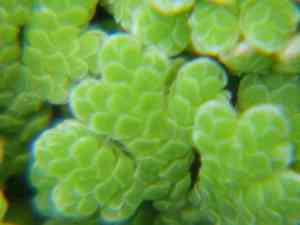
This floating aquatic fern flourishes in tranquil water environments. To ensure peak health and development, trim water fern throughout Spring, Summer, and Fall, when it is vigorously growing. Consistent removal of mature fronds and densely populated sections improves light access, diminishes pest harborage, and manages its proliferation. Employ hands or a delicate net to gather and extract surplus plant material, thereby averting decomposition and excessive nutrient levels, which can harm pond habitats. Regular trimming preserves its thick green covering and aids in maintaining water purity.
Advantages of Trimming Water Fern
Advantages of Trimming Water Fern
Trimming water fern promotes vigorous development and assists in maintaining a desired shape, crucial for visual appeal and space management in aquatic garden settings.
Optimal Time for Trimming Water Fern
Optimal Time for Trimming Water Fern
Trimming water fern in Spring is ideal as it coincides with the start of the plant's active growth phase, allowing for quick recovery and regeneration. Early Summer trimming ensures that any thick mats that have formed are managed before they can hinder water flow and light penetration, vital for water fern's health and the pond or water body's ecosystem. Finally, Fall trimming is suitable for removing any dying or dead fronds before winter arrives, helping to maintain good water quality and prevent excessive organic matter accumulation.
Tools Required for Trimming Water Fern
Hand Skimmer
As water fern is an aquatic plant, a hand skimmer or pond net is the perfect tool for removing surplus or deceased fronds from the water's surface. This tool enables gentle and selective trimming, which helps preserve the desired density and look of water fern without disrupting the aquatic environment.
Aquatic Plant Scissors
For more precise cutting or to remove specific parts of water fern, aquatic plant scissors or shears can be utilized. These tools are designed for underwater use and provide control to ensure that only the intended areas of water fern are trimmed. The long handles offer reach into deeper water if needed.
Pruning Gloves
Wearing pruning gloves is advisable when handling water fern to shield hands from potential irritation and to ensure a firm grip on the tools used, especially since working with water can make tools slippery.
How to Trim Water Fern
Gather tools
Select a small, clean pair of scissors or tweezers to avoid introducing any pathogens to water fern.
Identify
Examine water fern to locate withered leaves that are brown or decaying, which can be detrimental to the plant's health.
Trim
Carefully cut away the withered leaves from water fern, snipping close to the base without harming the healthy, green fronds.
Dispose
Remove the withered leaves from the water to prevent decay, which could negatively impact water quality and the health of water fern.
Clean up
Follow by clearing any debris and ensuring that the trimmed portions are properly discarded, keeping the environment for water fern clean and conducive to growth.
Common Trimming Errors with Water Fern
Over-trimming
Trimming too much of water fern can reduce its ability to photosynthesize and hinder its growth. It's crucial to remove only the necessary parts to maintain its health and density.
Incorrect technique
Using the wrong method, such as tearing or ripping, can damage water fern's delicate fronds. Gentle handling and sharp tools are essential for accurate and clean cuts.
Ignoring dead fronds
Failing to regularly remove dead or decaying fronds from water fern can lead to poor air circulation and increase the risk of disease and pest infestations.
Neglecting to clean tools
Not sanitizing trimming tools before and after use can spread diseases from one part of water fern to another, or from different plants.
Uneven distribution
Trimming water fern unevenly can result in an unbalanced appearance and may affect the floating mat's overall stability in the aquatic environment.
General Trimming Advice for Water Fern
Healthy fronds
Focus on preserving healthy fronds while trimming water fern, as they are vital for maintaining the plant's vigor and nutrient absorption.
Trim density
Regularly thin out dense patches of water fern to encourage adequate light penetration and reduce competition for nutrients, which is important for even growth.
Use sharp tools
Employ sharp, clean scissors or shears to make precise cuts on water fern, minimizing damage to the remaining fronds and facilitating quicker recovery.
Aesthetic shape
Maintain the aesthetic shape of water fern's floating mat by trimming the edges evenly, which helps in preserving the mat's appearance and health.
Discard trimmed material
Properly discard trimmed material from water fern to prevent it from decaying in the water, which could promote algal growth and disrupt the water quality.



