How to Prune Chinese aucuba?
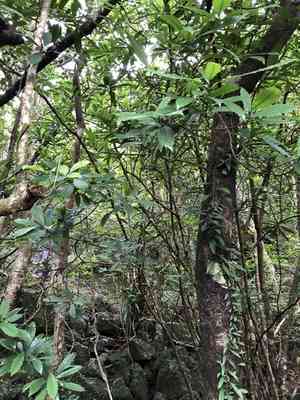
This perennial bush, known for its robust foliage and crimson fruit, flourishes with infrequent trimming. For chinese aucuba, the best time for pruning is during its dormant period in winter to preserve its form and foster vigor. Shorten any elongated branches or eliminate impaired leaves to stimulate compact development. As chinese aucuba withstands significant cutting, revitalization can be accomplished by severing aged stems at their base. Consistent pruning improves the plant's aesthetic and prevents excessive density.
Advantages of Trimming Chinese Aucuba
Advantages of Trimming Chinese Aucuba
Trimming chinese aucuba promotes robust development and assists in maintaining its desired form. Consistent cutting eliminates dead or weak branches, enabling healthy ones to flourish and giving chinese aucuba a tidy appearance.
Optimal Time for Trimming Chinese Aucuba
Optimal Time for Trimming Chinese Aucuba?
Trimming chinese aucuba during late winter to early spring is ideal as the plant remains dormant, and the chance of frost damage to fresh cuts is minimized. This timing allows for the removal of any cold-damaged branches and helps stimulate new growth in the upcoming season. Pruning before the start of spring growth enables the gardener to shape the plant effectively without impeding the forthcoming flush of leaves and flowers. Additionally, it's simpler to discern the plant's structure without foliage, permitting more accurate cuts.
Tools Required for Trimming Chinese Aucuba
Hand Pruners
Essential for making clean cuts on chinese aucuba's smaller branches. Perfect for removing dead or damaged foliage, shaping, and maintaining plant vitality.
Loppers
Useful for cutting thicker branches that hand pruners cannot manage, ensuring precision and minimal harm to chinese aucuba.
Pruning Saw
Necessary for removing large branches once chinese aucuba has matured and developed thicker growth.
Gardening Gloves
Protects the gardener's hands from scratches and sap during the trimming of chinese aucuba.
How to Trim Chinese Aucuba
Clean tools
Before trimming chinese aucuba, sanitize all cutting implements to prevent disease transmission. Use a solution of one part bleach to nine parts water or a rubbing alcohol solution to thoroughly clean the blades.
Inspect
Examine chinese aucuba for dead and diseased branches. These will often appear discolored, withered, or may show visible signs of fungal infection or insect damage.
Cut dead branches
Using sharp, sterilized pruning shears, cut any dead branches. Make cuts at a 45-degree angle approximately 1/4 inch above a live bud or the branch collar. This will encourage proper healing and new growth.
Remove diseased branches
Carefully remove diseased branches from chinese aucuba by cutting them back to healthy tissue. Ensure the cuts are clean to improve the plant's ability to heal and reduce the risk of further infection.
Dispose
Dispose of all removed material from chinese aucuba. Dead or infected branches should be removed from the vicinity of healthy plants to prevent the spread of disease.
Common Trimming Errors with Chinese Aucuba
Over-pruning
Removing too much foliage from chinese aucuba at once can shock the plant, leading to stunted growth or even plant demise.
Improper cut locations
Making cuts too far from a bud, node, or branch can result in stubs that can attract pests or diseases to chinese aucuba.
Using dull tools
Trimming with dull tools can cause jagged cuts that are more difficult for chinese aucuba to heal, increasing susceptibility to disease.
Neglecting to prune
Failing to regularly prune chinese aucuba can lead to a dense, unruly growth habit that can impair the plant's overall health and aesthetics.
Random cutting
Randomly cutting without a plan can leave chinese aucuba with an undesirable shape and can harm the plant's structural integrity.
General Trimming Advice for Chinese Aucuba
Sanitization
Always use clean, sharp pruning tools to make precise cuts on chinese aucuba, which help prevent the spread of disease and promote quick healing.
Pruning angle
Cut at a 45-degree angle approximately 1/4 inch above an outward-facing bud or node to encourage outward growth and prevent water accumulation on chinese aucuba.
Thinning cuts
Make thinning cuts to open up the canopy of chinese aucuba for better air circulation and light penetration, which helps reduce the risk of fungal diseases.
Selective pruning
Selectively remove dead, diseased, or crossing branches to improve the overall shape and health of chinese aucuba; this targeted approach will ensure a strong framework for new growth.
Gradual rejuvenation
For an overgrown chinese aucuba, use gradual rejuvenation pruning over a few seasons rather than a harsh, one-time cutback to avoid stressing the plant.



