How to Prune Glandular ladyfern?
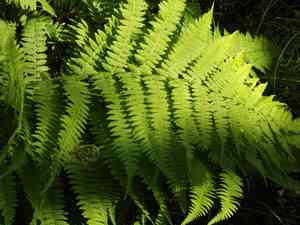
This fern, recognized for its glandular trichomes, flourishes in humid, low-light conditions. Trimming glandular ladyfern entails excising withered or compromised fronds near the soil line, which preserves the plant's well-being and visual attractiveness. The ideal period for pruning is in late winter or early spring, prior to the emergence of new foliage. Consistently eliminating aged fronds stimulates robust development and diminishes the likelihood of illness. Refrain from excessive pruning, as it can cause stress to glandular ladyfern and detract from its dense, inherent beauty.
What Are the Benefits of Pruning Glandular Ladyfern?
What Are the Benefits of Pruning Glandular Ladyfern?
Trimming glandular ladyfern promotes robust development and maintains its desired form. Eliminating dead or crowded fronds encourages healthier leaves, ensuring glandular ladyfern flourishes with an attractive structure.
What Is the Best Time for Pruning Glandular Ladyfern?
What Is the Best Time for Pruning Glandular Ladyfern?
Trimming glandular ladyfern is best done in late winter or early spring, coinciding with its dormant phase, which typically occurs during colder periods when plant growth slows. Pruning at this time is advantageous as it allows glandular ladyfern to focus energy on healing and generating new growth once temperatures rise and the growing season resumes. Furthermore, the absence of foliage during this period offers better visibility, enabling more precise cuts and minimizing harm to the plant's structure. Pruning just before spring growth begins stimulates vigorous regrowth, helping to maintain glandular ladyfern's health and vigor without negatively impacting its natural growth cycle or ornamental appeal.
What Tools Do I Need to Prune Glandular Ladyfern?
Sharp Bypass Pruners
Perfect for glandular ladyfern, these pruners create clean cuts, which help prevent harm to delicate fronds and encourage healthy regrowth.
Leaf Scissors
Especially suitable for glandular ladyfern, leaf scissors allow for accurate trimming of smaller fronds without disturbing nearby plants or fronds.
Gardening Gloves
Though not a cutting tool, gloves are crucial for protecting the gardener's hands from glandular ladyfern's glandular secretions, which can irritate some individuals.
Hand Rake
Glandular ladyfern may benefit from gentle raking to clear away any dead fronds and debris from its base, promoting better air circulation.
How to Prune Glandular Ladyfern
Sterilize tools
Sanitize the pruning shears or scissors before beginning to prevent transferring any pathogens to glandular ladyfern.
Identify diseased
Thoroughly inspect glandular ladyfern to pinpoint any diseased leaves. Look for discoloration, spots, or signs of fungal infection that indicate unhealthy foliage.
Trim diseased
Carefully cut away the diseased leaves at their base, where the leaf stem meets the main plant stalk, using the sterilized pruning tools. Ensure you cut into a healthy section to prevent disease spread.
Identify withered
Search for any withered leaves, which are typically dry, brown, and possibly crumpled. These are non-viable and should be removed to redirect glandular ladyfern's energy towards healthy growth.
Trim withered
Cut the withered leaves at their base, similar to diseased leaf removal, ensuring you remove the entire leaf to promote a healthy appearance and growth in glandular ladyfern.
Common Pruning Mistakes with Glandular Ladyfern
Using dirty tools
Trimming glandular ladyfern with uncleaned or rusty tools can introduce disease or pathogens to the plant, potentially harming it.
Over-pruning
Removing too much foliage at once can shock glandular ladyfern, leading to stunted growth or even plant demise.
Incorrect cuts
Making jagged or angled cuts on glandular ladyfern can hinder the plant's proper healing, leaving it susceptible to disease.
Pruning healthy fronds
Removing fronds that are healthy and green can limit glandular ladyfern's photosynthesis capacity and overall well-being.
Neglecting to prune
Not removing dead or damaged fronds can impede glandular ladyfern's growth and may attract pests or rot.
Common Pruning Tips for Glandular Ladyfern
Sharp tools
Utilize sharp and sterile pruning shears to make clean, straight cuts, which help glandular ladyfern recover more quickly.
Selective pruning
Focus on removing only the dead, diseased, or broken fern fronds to conserve the plant's energy and encourage new growth.
Cut at the base
When removing fronds, cut as close to the base as possible without harming new shoots or the crown of glandular ladyfern.
Moderation
Prune gradually, removing only a few fronds at a time to avoid over-pruning, allowing glandular ladyfern to maintain vitality.
Post-pruning care
After trimming glandular ladyfern, ensure the plant has sufficient moisture and is not exposed to stressors like direct sunlight or extreme temperatures.



