How to Prune Single-sorus spleenwort?
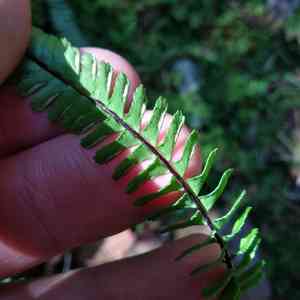
Asplenium scolopendrium, recognized for its appealing evergreen foliage, needs very little trimming. Concentrate on eliminating any discolored or compromised fronds in the early spring or late winter to uphold its well-being and aesthetic. Refrain from severing healthy fronds to retain the plant's inherent form. Consistent trimming aids in averting ailments and fosters air movement, boosting its general vigor. Always employ sanitized implements to preclude contamination. Rely on established gardening recommendations for optimal outcomes.
Advantages of Trimming Single-sorus Spleenwort
Advantages of Trimming Single-sorus Spleenwort
Single-sorus spleenwort benefits from trimming by growing robustly and keeping its form. Regular trimming helps foster healthy development, manage plant size, resist pests and illnesses, and enhance its overall look.
Optimal Period for Trimming Single-sorus Spleenwort
Optimal Period for Trimming Single-sorus Spleenwort
Trimming single-sorus spleenwort during early spring and late winter is considered ideal because it allows the plant to recover quickly as it enters its active growth phase. During these times, single-sorus spleenwort is less likely to experience stress since it is dormant or just beginning to grow, reducing the risk of infections and pest infestations. Trimming at these times also ensures that the plant's growth is directed and strengthened, setting it up for a healthier and more vigorous growing season.
Necessary Tools for Trimming Single-sorus Spleenwort
Hand Pruners
Ideal for making accurate and clean cuts on the delicate fronds of single-sorus spleenwort. These tools enable easy removal of dead or damaged fronds without harming the plant.
Pruning Scissors
Useful for detailed tasks and for reaching into the plant's intricate sections. They provide the precise control needed to trim smaller fronds and are perfect for plants like single-sorus spleenwort that have delicate structures.
Gloves
Crucial for protecting hands from any potential irritation when handling single-sorus spleenwort, ensuring a clean and safe gardening process. Choose gloves that offer dexterity to handle the delicate fronds carefully.
How to Trim Single-sorus Spleenwort
Evaluate
Examine single-sorus spleenwort to identify diseased and withered leaves. Diseased leaves may appear discolored or spotted, while withered leaves will look dry and lifeless.
Sanitize
Clean your trimming tools with rubbing alcohol or a diluted bleach solution to prevent the spread of disease.
Remove diseased
Carefully cut away all diseased leaves first. Make cuts at the base of each affected leaf near the stem, ensuring not to damage healthy foliage.
Remove withered
Trim withered leaves by cutting them at their base as close to the stem as possible, without harming the living parts of the plant.
Dispose
Properly dispose of the trimmed diseased and withered leaves by sealing them in a plastic bag and discarding them to prevent the spread of pathogens. Do not compost these materials.
Common Trimming Errors with Single-sorus Spleenwort
Timing
Trimming at the wrong time of year can stress single-sorus spleenwort, hindering its growth and vitality.
Amount of trimming
Trimming too aggressively can damage single-sorus spleenwort, weakening it and making it susceptible to pests and diseases.
Technique
Improper cutting techniques, such as making jagged cuts or using dull tools, can cause unnecessary injury to single-sorus spleenwort.
Ignoring hygiene
Not sanitizing tools before and after trimming can spread diseases and pests to single-sorus spleenwort.
Ignoring dead and damaged fronds
Failing to remove dead or damaged fronds can lead to the spread of fungal infections in single-sorus spleenwort.
General Trimming Advice for Single-sorus Spleenwort
Sanitization
Always ensure tools are clean and sharp to make clean cuts and prevent the spread of disease in single-sorus spleenwort. Disinfect tools with a solution of one part bleach to nine parts water.
Minimal trimming
Practice conservative trimming. Remove no more than 20-30% of the fronds at any one time to ensure single-sorus spleenwort remains healthy.
Focus on older growth
Prioritize removing older, yellowing fronds to encourage new growth and maintain plant vitality.
Clean cuts
Make clean, precise cuts close to the base without damaging surrounding tissues. This aids quicker healing and reduces infection risks in single-sorus spleenwort.
Observe regrowth
Regularly monitor the regrowth of single-sorus spleenwort after trimming to adjust care routines and ensure the plant is not stressed.



