How to Prune Onionweed?
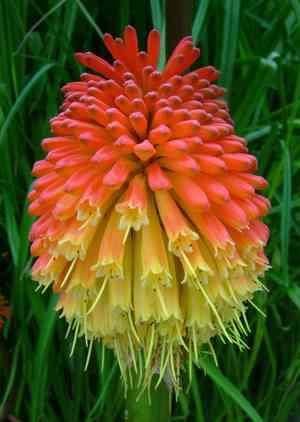
Onionweed, a perennial plant that blooms, is distinguished by its grass-like leaves and blossoms shaped like stars. Trimming entails eliminating withered or frail stalks to foster vigorous development. Execute this activity in spring, summer, or autumn, shaping as required to preserve the plant's visual appeal and vitality. Consistent trimming benefits onionweed by enhancing air movement, decreasing the occurrence of ailments, and managing its invasive characteristics. Employ sanitized, sharp implements to prevent contamination and guarantee precise cuts for swift recovery.
What Are the Benefits of Pruning Onionweed?
What Are the Benefits of Pruning Onionweed?
Trimming onionweed encourages its robust development and helps maintain its desired form. It promotes new, strong shoots and assists in customizing the plant's size, directing its energy towards producing sturdy, healthy stems.
What Is the Best Time for Pruning Onionweed?
What Is the Best Time for Pruning Onionweed?
During Spring, onionweed enters a period of rapid growth, making it an opportune moment to prune for shaping the plant and managing its spread. Spring pruning also aids in preventing seed formation and lessens the likelihood of undesired propagation. Summer pruning is advantageous for eliminating any dead or diseased parts of onionweed, ensuring the plant's health and vigor. This also decreases the plant's energy expenditure on sustaining these sections, redirecting it to new growth. In Fall, pruning onionweed helps to control its size and prepare it for the dormant winter period by removing old growth and any remaining seed heads, thereby inhibiting further self-seeding. Pruning during these seasons aligns with onionweed's life cycle, fostering balanced growth while curbing its invasive tendencies.
What Tools Do I Need to Prune Onionweed?
Hand Pruners
Perfect for precise trimming of onionweed. Their sharp blades create clean cuts on small stems, minimizing harm to the plant.
Weeding Fork
Onionweed possesses a bulbous root system, and a weeding fork can assist in extracting it from the soil without disturbing nearby plants.
Long-Handled Shears
These enable you to reach onionweed without bending, useful for large areas and maintaining a straight back, reducing strain.
Gloves
Though not a cutting tool, gloves are crucial for protecting hands from scratches when handling onionweed.
How to Prune Onionweed
Identify
Carefully inspect onionweed to pinpoint diseased foliage, withered leaves, dead stems, and infected branches that need removal.
Disinfect
Before pruning onionweed, sanitize your pruning tools with a bleach or alcohol solution to prevent disease transmission.
Clipping
Utilize sharp, clean shears to snip off diseased and withered leaves close to the base without harming healthy tissue. For dead and diseased branches, make cuts at a 45-degree angle to encourage proper healing.
Disposal
Properly dispose of the removed parts of onionweed. Do not compost diseased material as this could spread pathogens.
Clean up
After pruning onionweed, clean and sanitize pruning tools again. Then, clear the area of any fallen debris to maintain a healthy growing environment.
Common Pruning Mistakes with Onionweed
Excessive pruning
Cutting back onionweed too aggressively can harm the plant. Pruning should be done carefully to avoid damaging the plant's core structure and vitality.
Improper technique
Using dull or dirty tools can result in jagged cuts and heighten the risk of disease. It's essential to use clean, sharp tools for precise cuts that heal quickly.
Ignoring dead or diseased material
Failing to remove dead or diseased foliage can lead to further decay and infestation. Such material should be pruned to maintain onionweed's health.
Overlooking plant structure
Pruning without considering the plant's natural form can lead to an unbalanced and weakened onionweed. It's important to preserve the integrity of the plant's structure.
Pruning healthy growth
Indiscriminately removing healthy growth may diminish onionweed's vigor. The focus should be on strategic pruning to shape the plant and control unwanted spread.
Common Pruning Tips for Onionweed
Selective pruning
Target the removal of only the undesirable or overgrown sections of onionweed to manage its invasive nature while keeping healthy growth intact.
Tool hygiene
Sanitize pruning tools before and after use to prevent the spread of pests and diseases among onionweed and other garden plants.
Cross branches removal
Identify and remove any onionweed branches that are crossing or rubbing against each other to prevent wounds that could be susceptible to disease.
Ventilation
Ensure adequate air circulation by thinning overcrowded areas, which can reduce the risk of fungal infections in onionweed.
Staggered pruning
Conduct staggered pruning sessions throughout onionweed's growing phase to manage its invasive tendencies without shocking the plant.



