How to Prune Small-flower pawpaw?
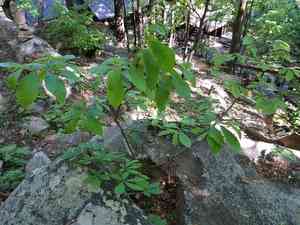
Asimina parviflora exhibits diminutive, aromatic blossoms and palatable produce. Perform pruning in early spring or late winter to stimulate fresh development. Eliminate deceased or compromised limbs, and reduce dense sections to enhance air movement. Concentrate on forming juvenile specimens by trimming back robust stems. Pruning additionally aids in managing dimensions and fostering fruit yield. Verify that implements are sanitized to avert pathogen spread. Beneficial for cultivators striving for a thriving, fruitful Asimina parviflora.
What Are the Benefits of Pruning Small-flower Pawpaw?
What Are the Benefits of Pruning Small-flower Pawpaw?
Trimming small-flower pawpaw encourages vigorous development and helps maintain its desired form. Routine trimming eliminates dead or weak limbs, improving light penetration and air movement, decreasing pest issues, and fostering healthier, more robust growth.
What Is the Best Time for Pruning Small-flower Pawpaw?
What Is the Best Time for Pruning Small-flower Pawpaw?
Trimming small-flower pawpaw in late winter or early spring allows for quick healing as it enters its active growth period. This timing minimizes disruption to its flowering and fruiting cycles, promoting better health and vibrant growth. Pruning before new growth starts helps remove dead or diseased wood, shapes the plant, and enhances its overall structural integrity.
What Tools Do I Need to Prune Small-flower Pawpaw?
Hand pruners
Perfect for making precise cuts on smaller branches and stems, typically up to 1/2 inch in diameter. Essential for preserving the natural shape of small-flower pawpaw and performing minor trimming tasks.
Loppers
Useful for cutting through thicker branches, usually those between 1/2 and 1 1/2 inches in diameter. These provide the necessary leverage for dealing with more substantial limbs while ensuring clean cuts that encourage healthy regrowth.
Pruning saw
Required for addressing branches exceeding 1 1/2 inches in thickness. A pruning saw ensures smoother cuts on larger limbs, which is vital for preventing disease entry and ensuring proper healing in small-flower pawpaw.
Bypass pruners
These are preferred over anvil pruners for creating clean cuts without crushing plant tissue, which aids in reducing stress and promoting faster healing.
How to Prune Small-flower Pawpaw
Inspect
Carefully examine small-flower pawpaw to identify any diseased or withered foliage. Note these areas before beginning the trimming process.
Sanitize
Disinfect pruning tools with a solution of one part bleach to ten parts water. This helps prevent the spread of disease.
Remove Diseased Leaves
Cut off all diseased leaves using sterilized pruning shears. Snip close to the base of the leaf stem without harming the main stem.
Remove Withered Leaves
Trim away withered leaves in a similar fashion. Make clean cuts to avoid further injury to the plant.
Dispose Properly
Discard all removed leaves away from other plants to prevent disease transmission. Do not compost these parts as pathogens may survive and spread.
Common Pruning Mistakes with Small-flower Pawpaw
Over-pruning
Removing too many branches or too much foliage at once can stress small-flower pawpaw, hindering its ability to photosynthesize and recover.
Improper Tool Use
Using dull or unsuitable tools can result in jagged cuts, leading to a higher risk of disease and pest infestation.
Wrong Cutting Angle
Making flat or upward-facing cuts can cause water to collect on the cut surface, increasing the likelihood of rot.
Ignoring Dead or Diseased Wood
Failing to remove dead, damaged, or diseased branches can allow pathogens to spread, compromising the health of small-flower pawpaw.
Not Paying Attention to Structure
Neglecting to shape the plant appropriately can lead to a weak structure, making small-flower pawpaw prone to breaking or poor air circulation.
Common Pruning Tips for Small-flower Pawpaw
Use Sharp, Clean Tools
Ensure your pruners or shears are sharp and disinfected to make clean cuts and minimize the risk of disease.
Make Angled Cuts
Cut branches at an angle to prevent water from pooling on the cut surface, which helps avoid rot.
Remove Dead or Diseased Wood First
Always begin by cutting off any dead, damaged, or diseased branches to maintain plant health.
Thin for Air Circulation
Thin out some branches to improve air movement within the plant, reducing the risk of fungal infections.
Focus on Form
Aim to shape small-flower pawpaw to enhance its natural growth habit, encouraging a strong structure and healthy, balanced growth.
Gradual Pruning
Only remove a small portion of the plant at a time to avoid stressing small-flower pawpaw and to allow for better recovery.
Monitor and Adjust
Regularly assess small-flower pawpaw after trimming to ensure it is responding well, and make any necessary adjustments as it grows.



