How to Prune Common milkweed?
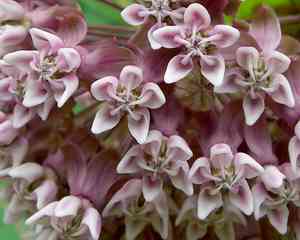
Recognized for its expansive foliage and groupings of rosy blossoms, Asclepias syriaca is an essential host for monarch butterflies. The most suitable times for trimming are spring, once frost danger has passed, summer to foster more compact development, and autumn for plant hygiene. To stimulate a more robust shape, clip the uppermost growth in early summer. Removing faded flowers encourages additional blooming and deters undesirable dissemination via seeds. Trimming additionally manages dimensions, eliminates deceased or ailing tissue, and aids in preserving ecological equilibrium by moderating Asclepias syriaca's prolific self-propagation.
What Are the Benefits of Pruning Common Milkweed?
What Are the Benefits of Pruning Common Milkweed?
Trimming common milkweed promotes a more plentiful yield by encouraging robust development and maintaining its desired form, ensuring the plant's energy is directed towards producing quality blossoms and seeds.
What Is the Best Time for Pruning Common Milkweed?
What Is the Best Time for Pruning Common Milkweed?
Trimming common milkweed in late spring, once frost danger has passed, allows the plant to focus its energy on developing healthy growth and flowers throughout the summer. This timing fosters vigorous development and prevents the plant from expending energy on damaged or unnecessary parts. Additionally, early autumn pruning aligns with common milkweed's dormancy preparation, aiding in the removal of old growth before winter. This helps prevent pests and diseases that might overwinter in dead plant material and ensures better growth in the subsequent season. Avoid summer pruning when common milkweed is actively flowering, as this is when it provides vital resources for pollinators like monarch butterflies. Pruning during the blooming period would negatively impact the local ecosystem and reduce the plant's reproductive capacity.
What Tools Do I Need to Prune Common Milkweed?
Hand Pruners
Common milkweed stems are easily managed with sharp hand pruners. Perfect for precise cuts to remove unwanted branches or deadhead spent flowers. Opt for bypass pruners for clean cuts without harming the plant.
Gardening Gloves
Given the sap produced by common milkweed, which can irritate some skin, wearing gloves is crucial. Gloves will shield your hands from the sap and ensure a safe pruning experience.
Long-Handled Loppers
For older, tougher common milkweed stems or for cutting branches beyond comfortable reach, long-handled loppers are useful. They offer leverage for quick, clean cuts.
Pruning Saw
If common milkweed has mature, thicker stems that need removal, a pruning saw can be advantageous. It provides greater control and power for cutting through larger diameter stems.
How to Prune Common Milkweed
Prepare Tools
Sanitize pruning shears or scissors with an alcohol or bleach solution to prevent disease transmission.
Wilted Stems
Cut back wilted common milkweed stems to the nearest healthy leaf set, making a clean 45-degree angle cut to promote healing and new growth.
Dead Flowers
Remove dead common milkweed flowers by cutting the stems just above a leaf or leaf node to encourage further blooming and maintain a neat appearance.
Diseased Parts
Identify and trim away any diseased common milkweed parts, ensuring complete removal from the area to lessen the risk of infection spreading to other plant sections.
Clean Up
Properly dispose of all trimmed materials, away from the common milkweed, to prevent any potential spread of disease or pests.
Common Pruning Mistakes with Common Milkweed
Overpruning
Cutting back common milkweed too aggressively can weaken the plant, potentially reducing its vigor and ability to thrive. This plant can withstand some trimming, but gardeners should avoid removing more than one-third of the plant at a time.
Improper Cuts
Making cuts too close to the main stem can harm common milkweed. It's vital to make pruning cuts just above a set of leaves or a node to encourage proper regrowth.
Pruning Into Old Wood
Common milkweed blooms on new growth, so cutting into old, woody stems may not result in new flowers. Gardeners should focus on trimming newer growth to support flowering.
Ignoring Plant Health
Failing to remove dead or diseased stems can leave common milkweed susceptible to pests and diseases. Removing unhealthy plant parts is crucial for maintaining common milkweed's overall health.
Common Pruning Tips for Common Milkweed
Selective Thinning
For common milkweed, it's beneficial to remove only the necessary stems to prevent overcrowding and enhance air circulation. This can help deter fungal diseases and promote more robust growth.
Promoting New Growth
Pruning common milkweed just above a set of leaves or node encourages the plant to produce new shoots and potentially more flower clusters.
Deadheading
Removing faded or spent blooms can encourage additional flowering in common milkweed, as it prevents the plant from investing energy into seed production.
Sustaining Habitat
Common milkweed is a host plant for the monarch butterfly. Gardeners should leave some stems unpruned to provide habitat and food for these pollinators, balancing ecological considerations with aesthetic goals.



