How to Prune Purple milkweed?
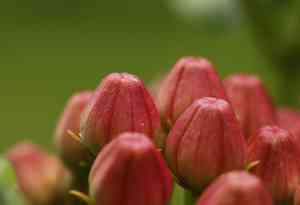
Originating from North America, this enduring wild bloom draws pollinators with its vivid blossoms and acts as a host plant for monarch butterflies. For purple milkweed, trim away spent stalks in early spring to stimulate fresh development. After the summer flowering period, prune to preserve its form and encourage a subsequent flush of blooms. Proper timing guarantees vigor and aids local fauna. Trimming is advantageous for managing its dimensions, deterring self-propagation, and improving the visual impact of its impressive violet flowers.
What Are the Benefits of Pruning Purple Milkweed?
What Are the Benefits of Pruning Purple Milkweed?
Trimming purple milkweed encourages robust development and maintains its desired form. Strategic cuts can stimulate new, healthier shoots, ensuring purple milkweed remains compact and visually appealing, while also potentially enhancing its flowering capacity.
What Is the Best Time for Pruning Purple Milkweed?
What Is the Best Time for Pruning Purple Milkweed?
Pruning purple milkweed in late winter to early spring is optimal as it prepares the plant for new growth without impacting flowering, as purple milkweed flowers on new wood. Additionally, the plant is still dormant, reducing stress and the risk of disease entering pruning cuts. Pruning after the last frost minimizes damage from cold weather. Summer pruning should be limited to deadheading after initial blooms fade to encourage a second bloom period and prevent unwanted self-seeding.
What Tools Do I Need to Prune Purple Milkweed?
Pruning Shears
Ideal for making clean cuts on purple milkweed's stems. Choose bypass pruners for live plant material to avoid crushing the stems.
Gardening Gloves
Protects hands from purple milkweed's sap which can be irritating to the skin.
Loppers
Useful if purple milkweed has matured and developed thicker stems that require more leverage for cutting.
Pruning Saw
Appropriate for removing old, woody stems if purple milkweed has been established for several years and has large, tough stems.
Disinfectant
Prevents the spread of disease between plants when used to clean tools before and after pruning purple milkweed.
How to Prune Purple Milkweed
Disinfect Tools
Before starting the pruning process, thoroughly clean and disinfect pruning tools to prevent the spread of disease to purple milkweed.
Remove Diseased Leaves
Carefully inspect purple milkweed for any diseased leaves. Use sharp, disinfected pruning shears to cut off the diseased leaves at their base without harming the main stem.
Prune Withered Leaves
Identify and prune away any withered or old leaves from purple milkweed, which can be removed by hand if they come off easily or with shears for a clean cut.
Trim Diseased Stems
Locate and cut back any diseased stems of purple milkweed to a healthy part of the stem. Make sure to cut well below the diseased portion to ensure all affected areas are removed.
Cleanup
After pruning, clean up all the trimmed parts from around purple milkweed to prevent any diseases from spreading through fallen debris. Dispose of the waste properly to avoid contamination.
Common Pruning Mistakes with Purple Milkweed
Overpruning
Removing too much foliage or too many stems at once can stress purple milkweed, weaken its vitality, and reduce its ability to flower.
Incorrect Cut Location
Cutting too far above a leaf node or into the main stems can lead to uneven growth or damage. This may hinder the plant's natural shape and health.
Pruning During Active Growth
Trimming purple milkweed while it's actively growing can interrupt its growth cycle, leading to fewer blooms and potential stress on the plant.
Not Using Clean Tools
Using dirty pruning tools can introduce diseases to purple milkweed, compromising its health.
Neglecting Deadheading
Failing to remove spent flowers can prevent purple milkweed from producing more blooms and can lead to unwanted seed dispersion.
Ignoring Plant Structure
Lack of understanding purple milkweed's natural growth pattern may result in cuts that do not promote healthy growth or bloom production.
Common Pruning Tips for Purple Milkweed
Cutaboveleafnode
When pruning, make cuts just above a leaf node to encourage bushier growth and more blooms on purple milkweed.
Usesharpcleantools
Always use sharp, clean pruning shears to ensure clean cuts that heal quickly and reduce the risk of spreading diseases to purple milkweed.
Thinout
Thin out dense areas to improve air circulation, which helps prevent disease and promotes healthy growth in purple milkweed.
Deadheadregularly
Regularly remove spent flowers to stimulate purple milkweed to produce more blooms and focus energy on healthy growth rather than seed production.
Shapeplant
Prune purple milkweed to maintain its natural shape, cutting back errant stems that disrupt the plant's symmetry.
Moderatepruning
Practice moderate pruning, removing only what is necessary for the health and shape of purple milkweed to avoid stressing the plant.



