How to Prune Swamp milkweed?
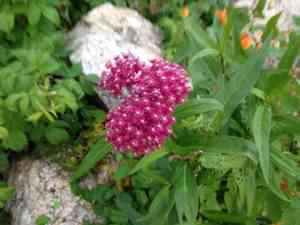
This enduring herbaceous plant flourishes in moist environments and is recognized for its vibrant pink blossoms and attraction to butterflies. Successful trimming of swamp milkweed entails severing withered or discolored stalks to stimulate new development and sustain the plant's robustness. The ideal period for pruning is early spring prior to the appearance of new sprouts or in late summer following the blooming phase. Eliminating spent flower heads encourages additional flowering and deters self-propagation, which can be advantageous for regulated cultivation.
What Are the Benefits of Pruning Swamp Milkweed?
What Are the Benefits of Pruning Swamp Milkweed?
Trimming swamp milkweed promotes robust development and maintains its form, resulting in a fuller, healthier plant that is more aesthetically pleasing and productive.
What Is the Best Time for Pruning Swamp Milkweed?
What Is the Best Time for Pruning Swamp Milkweed?
In early spring, pruning swamp milkweed eliminates any dead or damaged stems from winter and prepares it for vigorous new growth. Additionally, trimming before new growth begins ensures minimal disruption to the plant's natural cycle. Late summer pruning is ideal as it allows gardeners to cut back old growth after the flowering period, which typically concludes by mid-summer for swamp milkweed. This timing prevents the removal of stems that could produce blooms and ensures the plant maintains vitality and generates healthy growth the following year. It also helps prevent unwanted self-seeding if seed pods are removed before they open.
What Tools Do I Need to Prune Swamp Milkweed?
Hand Pruners
Perfect for making clean cuts on the relatively slender stems of swamp milkweed, fostering healthier growth and preventing disease spread.
Pruning Shears
Best for shaping swamp milkweed during the growing season, offering precise control over smaller, more delicate areas.
Loppers
Useful for thicker stems or if swamp milkweed has become too dense and needs thinning of larger branches that hand pruners cannot manage.
Gardening Gloves
Essential for protecting the gardener's hands from the milky sap of swamp milkweed, which can cause skin irritation in some individuals.
Clean Cloth
For wiping blades clean after pruning swamp milkweed to prevent disease transmission and remove any sap residue.
How to Prune Swamp Milkweed
Step1: Inspect and deadhead
Examine swamp milkweed for spent flowers and damaged stems. Deadheading, or removing faded blooms, encourages more flowers and prevents unwanted seed dispersal.
Step2: Sterilize shears
Sanitize pruning shears with rubbing alcohol or a 10% bleach solution to prevent the spread of disease among plants.
Step3: Cut above leaves at an angle
To remove dead flowers, make a cut above a set of leaves or a branching point. Use clean, sharp pruning shears and cut at a 45-degree angle, which promotes better healing and water runoff.
Step4: Trim back to healthy node
When trimming damaged stems, cut back to just above a leaf node where a new stem can emerge. Ensure the node is healthy and free of any signs of disease or damage.
Step5: Preserve healthy growth
If a large portion of a stem is damaged but has healthy growth below, make the cut at least one-quarter inch above the topmost healthy node to preserve as much of the plant as possible.
Step6: Clean up plant debris
After pruning, clear away all cuttings from around swamp milkweed to prevent the spread of disease and pests that might be present on the discarded plant material.
Step7: Water after pruning
Water swamp milkweed appropriately after pruning to help reduce stress on the plant. Ensure the soil is moist but not waterlogged, as swamp milkweed prefers consistently moist conditions.
Step8: Monitor for new growth
Observe the pruned areas over the next few weeks for any signs of new growth or the development of disease. A healthy response typically includes the emergence of new stems or leaves at the cutting sites.
Step9: Avoid over-pruning
Refrain from excessive pruning of swamp milkweed, as removing too much can stress the plant and reduce its robustness and longevity. Prune only as necessary to remove dead or damaged parts.
Post-Pruning Care for Swamp Milkweed
Post-Pruning Care for Swamp Milkweed
Immediately after trimming swamp milkweed, ensure cuts are clean to promote healing. Position swamp milkweed in partial to full sun, maintaining consistent humidity but avoiding waterlogged soil. A slight temperature reduction can aid recovery. Within a week, apply a balanced fertilizer to support new growth. Monitor swamp milkweed for wilting or discolored foliage, which could indicate stress or infection. If present, adjust care or seek horticultural advice promptly to mitigate issues.
Common Pruning Mistakes with Swamp Milkweed
Over-pruning
Trimming too much at once, which can stress swamp milkweed and potentially reduce its survival rate and flowering potential.
Incorrect Cutting of Woody Growth
Cutting into the woody, older growth at the base, which can harm swamp milkweed as new shoots primarily emerge from the more flexible, green stems.
Not Sterilizing Tools
Neglecting to sterilize pruning tools before use, increasing the risk of spreading diseases between plants.
Insufficient Deadheading
Removing too few spent blossoms, which can lead to a reduction in the plant's energy being invested in the next cycle of blooms.
Ignoring Ecosystem Role
Pruning without considering the plant's role in the ecosystem; swamp milkweed is a host plant for monarch butterflies, so over-pruning can negatively impact their lifecycle.
Common Pruning Tips for Swamp Milkweed
Cut With Sharp, Clean Tools
Use sharp and clean tools to make precise cuts, which help swamp milkweed heal faster and reduce the risk of disease.
Remove Dead or Yellowing Foliage
Focus on removing dead or yellowing leaves and stems, which will redirect swamp milkweed's energy to promote healthier growth and blooming.
Prune to Encourage Bushy Growth
Prune back to a set of leaves or a branching point to encourage bushier growth and more blossoms.
Deadhead to Stimulate Reblooming
Deadhead spent flowers during the blooming season to stimulate reblooming and prevent undesired self-seeding.
Conserve Plant for Insect Habitat
Preserve as much of the plant as possible late in the season to provide resources for overwintering insects, such as monarch butterflies.



