How to Prune British columbia wild ginger?
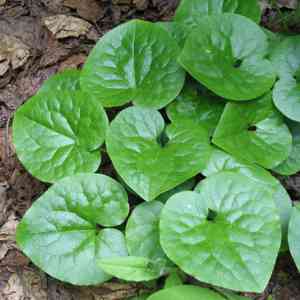
A shade-preferring groundcover, british columbia wild ginger flourishes with infrequent trimming to eliminate withered or compromised foliage and manage its expansion. You can prune at any point as it withstands cutting effectively throughout the year. Carefully trim back stems that extend beyond intended zones, fostering a more compact growth pattern. Periodic thinning boosts leaf vitality by enhancing airflow. This undemanding regimen optimizes the aesthetic value and robustness of british columbia wild ginger, guaranteeing a verdant ground layer in horticultural settings.
Advantages of Trimming British Columbia Wild Ginger
Advantages of Trimming British Columbia Wild Ginger
Trimming british columbia wild ginger promotes more abundant flowering, fosters a robust growth pattern, and preserves its desired visual form. This routine care helps british columbia wild ginger stay healthy and aesthetically pleasing.
Optimal Period for Pruning British Columbia Wild Ginger
Optimal Period for Pruning British Columbia Wild Ginger
Pruning british columbia wild ginger from late winter to early spring is ideal as the plant remains dormant. This timing prevents stress on british columbia wild ginger and lowers the chance of pathogen infection, which are less active in colder weather. Pruning stimulates vigorous new growth in spring. It's also easier to discern the plant's structure without leaves, allowing for more precise cuts. Furthermore, this avoids removing new blooms since british columbia wild ginger flowers from spring to early summer, thus not disrupting its growth cycle or visual appeal. Consistent with general pruning guidelines for herbaceous perennials, the health of british columbia wild ginger benefits from removing any dead or diseased foliage during this time, enhancing the plant's overall vitality.
Necessary Tools for Pruning British Columbia Wild Ginger
Hand Pruners or Secateurs
These are perfect for precisely cutting back individual stems or removing dead or damaged foliage. For british columbia wild ginger, which doesn't grow very tall and has relatively thin stems, a sharp pair of hand pruners can make clean cuts without harming the plant.
Pruning Shears
Also known as scissors-type pruners, they are suitable for shaping british columbia wild ginger and trimming off any unwanted growth. They offer a more delicate cut than anvil-type pruners, which is crucial for maintaining the health of british columbia wild ginger's stems.
Gloves
When pruning british columbia wild ginger, wearing gloves can help protect hands from any irritating sap and provide a better grip on the pruning tools.
How to Prune British Columbia Wild Ginger
Cleaning tools
Before pruning british columbia wild ginger, ensure all tools are disinfected to prevent disease spread. Use rubbing alcohol or a household disinfectant to wipe the cutting surfaces of pruning shears.
Diseased leaves
Carefully inspect british columbia wild ginger for any diseased leaves and prune them off at their base. Use clean, sharp shears to make a precise cut without harming healthy tissue.
Dead material
Remove withered leaves, dead branches, and spent flowers from british columbia wild ginger by cutting them back to the point of healthy tissue. For branches, this might involve cutting back to a main stem or healthy set of leaves.
Diseased branches
Identify and trim away any diseased branches from british columbia wild ginger by pruning them back to healthy wood. If the entire branch is affected, cut it at the base or junction with the stem, avoiding stubs.
Clean up
After pruning british columbia wild ginger, remove all trimmings from the area to reduce the risk of disease transmission and improve air circulation around the plant.
Common Pruning Errors with British Columbia Wild Ginger
Overpruning
Removing too much foliage from british columbia wild ginger can stress the plant, impeding its growth and ability to photosynthesize effectively.
Incorrect cuts
Making pruning cuts too far from the base can leave unsightly stubs, while cutting too close can damage the stems of british columbia wild ginger.
Pruning Healthy Growth
It is unnecessary and potentially harmful to prune healthy growth unless it is for shaping or controlling the spread of british columbia wild ginger.
Tearing stems
Using dull tools can result in jagged cuts that can tear the stems of british columbia wild ginger, leading to unhealthy plants vulnerable to disease.
Ignoring plant structure
Failing to consider the natural shape and growth habit of british columbia wild ginger can result in an unnatural appearance or uneven growth.
Disregarding hygiene
Not cleaning pruning tools between uses can spread diseases to british columbia wild ginger from other plants.
General Pruning Advice for British Columbia Wild Ginger
Sharp tools
Always use clean, sharp pruning shears or scissors to make clean cuts that will heal quickly and minimize the risk of disease for british columbia wild ginger.
Selective thinning
Remove only the dead, damaged, or diseased stems to maintain the health and aesthetics of british columbia wild ginger, without disrupting its natural growth.
Consider growth habit
Understand the spreading nature of british columbia wild ginger and prune accordingly to maintain the desired shape and containment.
Prune at the base
When removing stems, prune close to the ground level to avoid leaving stubs that can attract pests and disease for british columbia wild ginger.
Disinfect tools
Between cuts, especially when removing diseased material, disinfect pruning tools to prevent the spread of pathogens affecting british columbia wild ginger.
Minimal interference
Limit pruning to maintain the lush ground cover provided by british columbia wild ginger, as excessive cutting can reduce its aesthetic and ecological value.



