How to Prune Wild ginger?
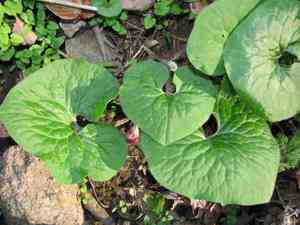
Originating from North American forests, this woodland perennial is prized for its cordate leaves and goblet-shaped blossoms. For wild ginger, trim away any deceased or injured foliage, which stimulates robust development. The most suitable periods for pruning are early spring or late summer, minimizing strain on wild ginger. Consistent trimming preserves its verdant groundcover appearance. Pruning further assists in controlling pests and illnesses by enhancing air movement through wild ginger's thick foliage.
Benefits of Pruning Wild Ginger
Benefits of Pruning Wild Ginger
Trimming wild ginger promotes robust development and helps maintain its desired form, leading to a healthier and more attractive plant.
Optimal Pruning Time for Wild Ginger
Optimal Pruning Time for Wild Ginger
Pruning wild ginger in early spring is advisable as it aligns with the period just before the plant's active growth. This timing allows for the removal of dead or damaged foliage with minimal plant stress, fostering healthier and more vigorous new growth. Additionally, late summer pruning is ideal because it occurs after the plant's flowering phase, reducing the risk of cutting off flower buds and ensuring the plant's energy is directed towards healthy leaf and root development. It also minimizes the chance of disease infection, as the weather is typically drier. Both these pruning times ensure wild ginger can recover effectively and sustain its growth cycle efficiently.
Tools Required for Pruning Wild Ginger
Hand Pruners
Perfect for trimming and shaping wild ginger, given its small and delicate stems; sharp hand pruners allow for precise cuts without harming the plant.
Pruning Snip
Useful for deadheading or removing spent wild ginger flowers, these small, accurate cutting tools are well-suited for making clean cuts in confined areas.
Gloves
Protective gloves are recommended to prevent skin irritation when handling wild ginger and to maintain a firm grip on pruning tools.
Garden Knife
A sharp garden knife can be used to divide wild ginger at the root level if necessary, for propagation or managing its garden growth.
How to Prune Wild Ginger
Step1: Identifying Dead or Diseased Plant Parts
Carefully inspect wild ginger to locate dead leaves, damaged roots, and diseased sections that need pruning. Look for discolored, damaged, or dry leaves and roots that appear broken or overly soft.
Step2: Tool Preparation
Prepare your tools. Ensure you have clean, sharp pruning shears for trimming above-ground parts and a pair of gloves to protect your hands while handling the plant and its roots.
Step3: Disinfecting Pruning Tools
Sanitize your pruning tools before making any cuts to prevent disease spread. You can use a solution of one part bleach to nine parts water or rubbing alcohol to disinfect the blades.
Step4: Removing Dead Leaves
Start with dead leaves. Gently hold a dead leaf and trace its stem to the plant's base. Snip the stem where it emerges from the ground or main stem, being careful not to harm new growth.
Step5: Pruning Damaged Roots
Move on to damaged roots. Gently unearth wild ginger to access the roots, taking care not to disturb the healthy root system. Use your pruning shears to cleanly cut away any damaged or excessively soft roots.
Step6: Isolating Diseased Plant Tissue
Identify diseased parts of wild ginger, which may include foliage, stems, or roots showing signs of rot, mildew, or other infections. Isolate diseased tissues from healthy ones to avoid contamination.
Step7: Cutting Into Healthy Tissue
Trim diseased parts by cutting them off at least a few centimeters into healthy tissue to ensure all infected material is removed. For stems, make angled cuts to facilitate water runoff and healing.
Step8: Disposal of Pruned Material
Carefully dispose of all removed material, ideally by burning or bagging and discarding it, to prevent the spread of any potential disease.
Step9: Post-Pruning Tool Cleaning
After pruning, clean your tools again to eliminate any pathogens that might have transferred from the plant material to your shears.
Step10: Watering and Mulching Post-Pruning
Lightly water wild ginger if the soil is dry, and apply a thin layer of mulch around but not touching the plant's base to help conserve moisture and suppress weeds.
Step11: Post-Pruning Monitoring and Care
Monitor wild ginger after pruning for signs of stress or further disease. Maintain a regular inspection schedule going forward to detect any new issues promptly.
Post-Pruning Care for Wild Ginger
Post-Pruning Care for Wild Ginger
Immediately after pruning wild ginger, ensure it receives light watering to reduce stress. Maintain a humid environment with indirect light; avoid direct sunlight. Keep wild ginger at stable temperatures, avoiding extremes. Fertilize with a balanced liquid fertilizer to aid recovery, but do not overfeed. Regularly check for wilting or discoloration, which indicate stress or infection. If observed, adjust care conditions and consult a horticulturist for potential treatments.
Common Pruning Mistakes with Wild Ginger
Over-Pruning Reduces Foliage and Ground Cover
Pruning too aggressively can diminish wild ginger's lush foliage, potentially affecting its ground cover capabilities.
Ignoring Dead or Diseased Leaves Can Spread Problems
Neglecting to remove dead or diseased leaves could allow issues to spread, jeopardizing wild ginger's health.
Dull or Dirty Tools Harm Stems and Invite Disease
Using dull or dirty pruning tools could damage wild ginger's stems, resulting in jagged cuts susceptible to disease.
Excessive Cutting Near Main Stem Risks New Growth
Cutting too close to the main stem may injure wild ginger, as it could remove the nodes necessary for new growth.
Pruning Against Growth Habit Affects Plant Shape
Failing to consider the plant's natural growth habit may result in a shape that does not complement its spreading ground cover growth pattern.
Common Pruning Tips for Wild Ginger
Sanitize Pruning Tools to Prevent Disease Spread
Sanitize pruning tools before starting to prevent the spread of diseases to wild ginger.
Thin Out, Don't Cut Back Severely for Natural Look
Focus on thinning rather than severe cutting back to maintain wild ginger's natural appearance and encourage ventilation.
Remove Dead or Diseased Leaves to Promote Health
Trim off any leaves that are dead, diseased, or damaged to maintain the plant's health and vigor.
Make Clean 45-Degree Cuts for Proper Healing
When pruning, make clean cuts at a 45-degree angle to encourage proper healing and reduce the risk of disease in wild ginger.
Limit Pruning to One-Third of Growth to Avoid Stress
Avoid removing more than one-third of wild ginger's growth during a pruning session to prevent undue stress on the plant.
Water and Feed After Pruning to Aid Recovery
After pruning, provide wild ginger with appropriate water and nutrients to support recovery and further growth.
Monitor Plant Post-Pruning for Distress or Disease
Monitor your plant for a few days following pruning to ensure it responds well and shows no signs of distress or disease.



