How to Prune Hairy arundinella?
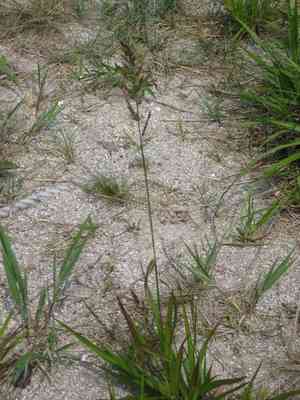
Hairy arundinella, a perennial grass recognized for its unique hirsute surface, flourishes with regular trimming to preserve its structure and foster vigorous development. Cut away deceased or excessive foliage in early spring or during winter to revitalize the specimen and stimulate fresh sprouts. Strategic trimming, preferably prior to the commencement of the growing period, guarantees strong vitality and visual attractiveness, while reducing potential problems with pests. Consistent reduction aids in sustaining the plant's dense form and deters unwanted self-propagation.
What Are the Benefits of Pruning Hairy Arundinella?
What Are the Benefits of Pruning Hairy Arundinella?
Trimming hairy arundinella promotes robust development and maintains its form, enhancing the plant's vitality and visual appeal. By selectively removing portions of hairy arundinella, gardeners can encourage a stronger root system and improved plant architecture.
What Is the Best Time for Pruning Hairy Arundinella?
What Is the Best Time for Pruning Hairy Arundinella?
Pruning hairy arundinella in early spring is advantageous as it aligns with the conclusion of its dormant phase and precedes the emergence of new growth. This timing allows the plant to recover rapidly from cuts and stimulates a strong flush of new growth as temperatures rise. Furthermore, the absence of leaves during this period offers a clearer view of the plant's structure, enabling more accurate cuts. Winter pruning is also suitable since hairy arundinella is dormant in many regions. During this time, the plant's sap is not actively circulating, reducing stress and the likelihood of disease entry or sap loss from pruning wounds. Winter pruning prepares hairy arundinella for vigorous spring growth by removing dead or diseased wood and shaping the plant. Both seasons ensure that hairy arundinella's energy reserves are directed towards the development of new, healthy growth after pruning.
What Tools Do I Need to Prune Hairy Arundinella?
Hand Pruners
Perfect for trimming and shaping hairy arundinella, as their compact, sharp blades can effortlessly cut through the grass's delicate stems without causing damage. Opt for bypass pruners for clean cuts.
Grass Shears
Especially useful for quickly and precisely cutting through sections of hairy arundinella when detailed shaping is needed. Their long blades help reach into dense clumps without bending or stooping.
String Trimmer
Effective for managing larger areas or edges where hairy arundinella has become overgrown. A string trimmer can efficiently cut back excess growth and maintain tidy borders.
How to Prune Hairy Arundinella
Clean tools
Before beginning, sanitize pruning tools with a solution of 1 part bleach to 9 parts water to prevent the spread of diseases to hairy arundinella.
Identify diseased
Examine hairy arundinella closely to spot diseased leaves, which typically show discoloration, spots, or an abnormal appearance compared to healthy foliage.
Clip diseased
Using the sterilized tools, carefully snip off diseased leaves at their base where they connect to the stem, ensuring a clean cut to avoid harming hairy arundinella.
Identify withered
Locate withered leaves on hairy arundinella, which will appear dry, brown, or crumpled, and are usually older leaves.
Clip withered
Trim the withered leaves at their base near the stem, being careful not to cut off any healthy foliage or buds of hairy arundinella.
Common Pruning Mistakes with Hairy Arundinella
Overpruning
Removing too much of hairy arundinella's foliage or roots in a single pruning session can severely stress the plant, leading to stunted growth or even death.
Improper tools
Using dull or dirty pruning tools can harm hairy arundinella's stems and leaves, increasing its susceptibility to disease and pest infestations.
Tearing stems
Ripping or tearing stems instead of making clean cuts can injure hairy arundinella by creating jagged wounds that are difficult to heal, exposing the plant to potential infections.
Pruning active growth
Trimming hairy arundinella during periods of active growth can disrupt its development and reduce its vigor, especially if the pruning is not part of routine maintenance.
Neglecting tool sanitization
Failing to sanitize pruning tools before and after use on hairy arundinella can transmit diseases from infected plants to healthy ones.
Common Pruning Tips for Hairy Arundinella
Clean cuts
Making precise, angled cuts on hairy arundinella helps ensure rapid healing and minimizes the risk of disease entry.
Tool maintenance
Keep pruning tools well-maintained and sharp to make accurate cuts, which is vital for the health and appearance of hairy arundinella.
Gradual pruning
Prune hairy arundinella gradually over time rather than all at once; this supports continuous growth and prevents the shock that could result from excessive pruning.
Identify sections
Clearly identify which parts of hairy arundinella need pruning, such as dead or diseased tissue, to avoid unnecessary harm to healthy parts of the plant.
Post-pruning care
Provide adequate water and, if appropriate, fertilizer to hairy arundinella after pruning to aid recovery and continued growth.



