How to Prune Big sagebrush?
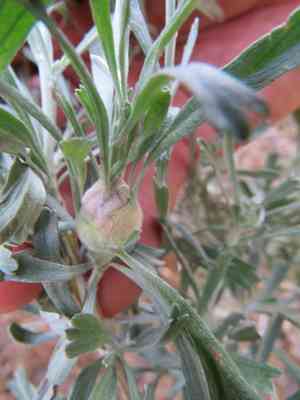
A robust perennial bush featuring silvery-green leaves and a strong scent, big sagebrush flourishes in dry environments. Trimming should concentrate on reducing older stems to enhance air movement and sculpt the plant for visual appeal. The ideal period for pruning is during the winter resting phase when the plant's development is halted, thereby minimizing strain. Pruning also helps control its dimensions, eliminate deceased or injured limbs, and encourage fresh development, boosting the plant's vitality and well-being.
What Are the Benefits of Pruning Big Sagebrush?
What Are the Benefits of Pruning Big Sagebrush?
Trimming big sagebrush promotes robust development by eliminating old or damaged parts, stimulating new, healthy shoots. It also aids in maintaining a desired form and size, ensuring big sagebrush remains visually appealing and well-integrated into the landscape.
What Is the Best Time for Pruning Big Sagebrush?
What Is the Best Time for Pruning Big Sagebrush?
Pruning during late winter to early spring, just before new growth begins, is ideal for big sagebrush. This timing allows the plant to recover quickly without stress, encourages healthy new development, and minimizes the chance of infection from pruning wounds. It's crucial to avoid pruning big sagebrush in late summer or fall, as this can stimulate new growth vulnerable to frost damage. Additionally, pruning during dormancy prevents the removal of the current year's flowers or seed production, which typically occurs in late summer to fall.
What Tools Do I Need to Prune Big Sagebrush?
Hand Pruners
Perfect for cutting through the slender stems and small branches of big sagebrush. This tool creates clean cuts that help prevent disease.
Loppers
Suitable for reaching into denser areas of big sagebrush and cutting through thicker branches that hand pruners might not manage.
Pruning Saw
Recommended for the largest stems of big sagebrush that require more effort to cut and are too thick for hand pruners or loppers.
Gloves
Essential for protecting hands from the rough texture and any potential skin irritants of big sagebrush.
Pruning Snips
Useful for detailed shaping of big sagebrush, as well as for deadheading and thinning small, delicate branches.
How to Prune Big Sagebrush
Identify
Examine big sagebrush for specific areas needing trimming, such as dead branches, old shoots, and damaged limbs. Look for foliage discoloration, dryness, or breakage as indicators.
Disinfect
Before making cuts on big sagebrush, clean and sanitize pruning tools to prevent disease spread. Use a bleach or alcohol solution for this purpose.
Cut Dead Branches
Using sharp, clean pruning shears, remove dead branches by cutting them back to the point of healthy wood, identifiable by a change in color and texture.
Trim Old Shoots
Shorten old shoots on big sagebrush to encourage new growth and maintain plant health. Make cuts just above a bud or branch junction to promote the desired growth direction.
Remove Damaged Limbs
Carefully remove damaged limbs by cutting them at a 45-degree angle just above a healthy node or main stem, ensuring a clean cut to facilitate quick healing.
Common Pruning Mistakes with Big Sagebrush
Overpruning
Trimming too much can stress big sagebrush. Novice gardeners often make the error of cutting back the plant excessively, which can lead to reduced vigor and sparse foliage.
Improper Cut Locations
Making cuts in the wrong place can harm big sagebrush. Cuts should be just above leaf nodes or branching points. Cuts in the middle of stems can lead to pest intrusion and disease.
Using Dull Tools
Dull pruning tools can damage big sagebrush by creating jagged cuts that are more susceptible to disease. Always use sharp, clean tools for a clean cut.
Neglecting Sanitation
Not sanitizing tools between cuts or plants can spread disease to big sagebrush. Always clean tools, especially if cutting back diseased material.
Pruning Without Purpose
Random or unnecessary pruning can lead to a misshapen big sagebrush. Each cut should have a purpose, such as removing dead material or shaping the plant for optimal growth.
Common Pruning Tips for Big Sagebrush
Target Dead Material
Focus on removing dead or diseased wood to improve the health of big sagebrush. This helps to concentrate the plant's energy on producing vigorous growth.
Prune For Shape
Shape big sagebrush by targeting overgrown or crossing branches which will improve air circulation and plant form, facilitating healthy growth and reducing issues with pests and disease.
Cutting Angle
Make cuts at a 45-degree angle, sloping away from the bud to prevent water collection and minimize the risk of disease in big sagebrush.
Maintain Natural Form
When pruning big sagebrush, aim to maintain its natural, irregular growth pattern for aesthetic and plant health reasons; avoid creating a shape that is overly manicured.
Selective Thinning
Employ selective thinning of big sagebrush to allow light and air to penetrate the plant, encouraging strong, healthy growth and reducing the risk of pest infestations or fungal diseases.



