How to Prune Chinese mugwort?
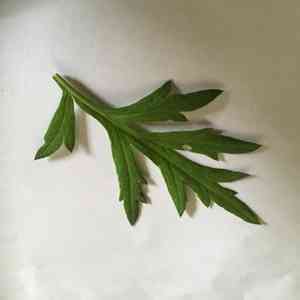
A perennial botanical specimen celebrated for its therapeutic attributes, chinese mugwort is frequently grown for its fragrant foliage. To achieve peak development, trim chinese mugwort by removing aged or lifeless stalks and molding the plant to preserve its intended structure. The most suitable period for trimming is from spring to early summer, fostering denser growth and averting an elongated appearance. Autumnal trimming can additionally lead to more robust, thriving plants in the subsequent year. Consistent trimming guarantees superior air movement, diminishes the likelihood of pests and illnesses, and encourages fresh, aromatic leaves.
What Are the Benefits of Pruning Chinese Mugwort?
What Are the Benefits of Pruning Chinese Mugwort?
Trimming chinese mugwort promotes vigorous development and maintains its desired form. Strategic cuts enhance air circulation, which is crucial for preventing illness and pest infestations. Pruning also ensures that chinese mugwort's growth is robust and it can thrive in its garden setting.
What Is the Best Time for Pruning Chinese Mugwort?
What Is the Best Time for Pruning Chinese Mugwort?
Pruning chinese mugwort in early spring coincides with the start of the active growth period, allowing the plant to quickly recover and produce new shoots. It also helps to eliminate any damage from winter weather. Late summer trimming is beneficial for shaping the plant and removing spent flowers to encourage a neat appearance. Pruning in early fall allows gardeners to clear away any dead or diseased foliage before the plant enters dormancy, which can reduce the likelihood of disease and pest issues in the subsequent growing season.
What Tools Do I Need to Prune Chinese Mugwort?
Hand Pruners
Perfect for cutting stems up to 3/4 inch in diameter and ensuring precision in shaping chinese mugwort.
Pruning Shears
Ideal for trimming soft stems and foliage of chinese mugwort, providing a clean and healthy cut.
Gloves
Essential for protecting hands from the aromatic oils of chinese mugwort that can cause skin irritation.
Garden Scissors
Useful for deadheading and shaping smaller or intricate parts of chinese mugwort without harming adjacent stems.
Pruning Saw
Required for larger woody growths of chinese mugwort if stems exceed 3/4 inch in diameter.
How to Prune Chinese Mugwort
Disinfect Tools
Before pruning chinese mugwort, sanitize pruning tools with a solution of 1 part bleach to 9 parts water to prevent the spread of disease.
Remove Diseased Parts
Carefully cut away any diseased leaves or branches from chinese mugwort, making clean cuts just above healthy tissue to prevent the spread of pathogens.
Eliminate Dead Material
Trim off withered leaves and dead branches from chinese mugwort to improve air circulation and light penetration, which promotes healthy growth.
Thinning
Thin out crowded branches on chinese mugwort to ensure that light reaches the inner parts of the plant and to maintain its natural shape and size.
Clean Up
Dispose of all removed plant material by burning or bagging to reduce the chance of disease spreading in the garden.
Common Pruning Mistakes with Chinese Mugwort
Over-Pruning
Removing too much foliage can stress chinese mugwort, leading to poor growth or making it more susceptible to disease.
Improper Cutting Technique
Using dull or inappropriate tools can damage the stems, preventing clean cuts and potentially introducing pathogens.
Neglecting Tool Sanitization
Failing to clean pruning tools can spread diseases between plants.
Ignoring Plant Structure
Cutting without understanding the growth habit of chinese mugwort can result in an unbalanced shape and affect future growth.
Pruning Healthier Parts First
Starting with the healthy parts can lead to the unnecessary removal of productive growth, instead of focusing on dead or diseased areas that require attention.
Common Pruning Tips for Chinese Mugwort
Selective Pruning
Focus on removing dead, damaged, or diseased foliage to maintain chinese mugwort's health without over-pruning.
Sharp Clean Cuts
Always use sharp, clean tools for precise cuts to encourage faster healing and reduce stress on chinese mugwort.
Tool Sanitization
Sanitize tools before and after use to prevent the spread of disease among garden plants.
Natural Growth Pattern
Prune with chinese mugwort's natural growth habit in mind to preserve its structural integrity and aesthetic shape.
Sequential Pruning
Begin pruning the least healthy parts of chinese mugwort before moving to healthier sections to ensure vital areas are preserved.



