How to Prune White mugwort?
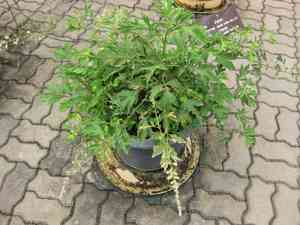
Artemisia lactiflora, recognized for its fine leaves and ethereal flowers, thrives with consistent trimming. The most favorable periods are during spring and summer. Begin by eliminating any lifeless or compromised stalks to foster robust development. Shorten excessively robust branches to preserve form and enhance air movement. For revitalization, sever aged stems close to the soil surface. Routine pruning encourages thicker foliage and a greater profusion of blossoms, elevating the plant's aesthetic value and general well-being.
What Are the Benefits of Pruning White Mugwort?
What Are the Benefits of Pruning White Mugwort?
Trimming white mugwort promotes robust development and maintains its desired form. By eliminating overgrown and dead stalks, it fosters healthier, denser foliage and improves overall plant structure and stability.
What Is the Best Time for Pruning White Mugwort?
What Is the Best Time for Pruning White Mugwort?
Trimming white mugwort in spring and early summer is optimal as it coincides with the onset of the plant's active growth period. This timing allows white mugwort to recover swiftly and utilize its growth energy to produce new, healthy shoots, enhancing its overall vitality and look. This period also precedes the blooming season, ensuring the plant appears its best when it flowers. Additionally, early pruning helps prevent diseases by removing potentially dead or diseased branches before they can spread pathogens during the moist, warmer months.
What Tools Do I Need to Prune White Mugwort?
Bypass Pruners
Perfect for making clean, precise cuts on white mugwort's stems, bypass pruners are effective for cutting through live plant material without harming the remaining stalks.
Garden Scissors
These are useful for snipping smaller, finer stems of white mugwort, and for detailed shaping. Their sharp, accurate blades can navigate through dense foliage without damaging the plant.
Pruning Saw
For older or woodier parts of white mugwort that have thickened over time, a pruning saw can handle these tougher cuts smoothly and efficiently.
Hand Shears
Ideal for shaping and thinning white mugwort, hand shears allow for quick, even trimming of larger sections, promoting healthy growth and dense foliage.
How to Prune White Mugwort
Identify
Examine white mugwort closely, focusing on identifying any diseased leaves or stems. Look for signs such as discoloration, spots, or abnormalities that suggest disease or decay.
Disinfect
Before starting the pruning process, disinfect your pruning tools with either rubbing alcohol or a 10% bleach solution to prevent the transmission of diseases between different parts of white mugwort or other plants.
Remove leaves
Using sharp, clean shears, carefully trim away all diseased and withered leaves from white mugwort. Cut at the base of the affected leaf to ensure clean removal without harming healthy parts.
Remove stems
If any stems appear diseased, use the shears to cut these stems back to a healthy section. Ensure cuts are made at a 45-degree angle to promote healing and prevent water accumulation that could lead to further disease.
Cleanup
Dispose of all removed parts properly by sealing them in a bag and removing them from the garden area to avoid recontamination. Clean the tools once again after finishing the pruning of white mugwort.
Common Pruning Mistakes with White Mugwort
Over-pruning
A common error is removing too much foliage at once, which can stress white mugwort and lead to poor growth or reduced vigor. It's crucial to avoid cutting back more than one-third of the plant in a single pruning session.
Improper cutting technique
Cutting too close to the main stems or buds can damage the plant. It's important to make clean cuts that allow for quick healing and prevent diseases from entering the pruning wounds.
Neglecting tool hygiene
Using unclean pruning tools can introduce diseases to white mugwort. Always clean and disinfect tools before and after use to maintain plant health.
Common Pruning Tips for White Mugwort
Selective thinning
Focus on thinning out the interior branches of white mugwort to enhance air circulation and light penetration. This promotes healthy growth and reduces the risk of disease.
Encouraging bushy growth
Prune just above a leaf node or set of leaves to encourage branching. This will help white mugwort develop a fuller, bushier appearance and can improve flowering.
Periodic maintenance
Regularly remove dead or damaged stems to keep white mugwort looking its best and to prevent potential health issues. This type of maintenance pruning helps the plant focus its energy on producing robust new growth.



