How to Prune California sagebrush?
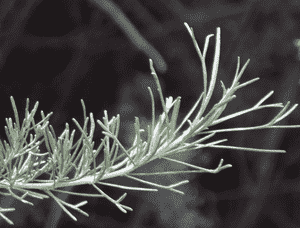
Originating from arid inclines and chaparral regions, california sagebrush is a resilient shrub that withstands drought, featuring fragrant foliage and a naturally rounded form. To enhance its shape, well-being, and vitality, trim up to one-third of the mature growth each year, preferably in late winter or early spring, to encourage lush leaf development. Selective removal of branches is recommended to ensure proper air circulation and minimize pest infestations. Refrain from extensive trimming in late summer or autumn to prevent the emergence of new shoots that could be susceptible to frost damage.
What Are the Benefits of Pruning California Sagebrush?
What Are the Benefits of Pruning California Sagebrush?
Trimming california sagebrush encourages strong development and assists in maintaining its desired form. Consistent cutting promotes denser foliage, preventing legginess while enabling gardeners to shape the plant for visual appeal or space limitations.
What Is the Best Time for Pruning California Sagebrush?
What Is the Best Time for Pruning California Sagebrush?
Pruning california sagebrush in late Spring aligns with the conclusion of its active growth phase, ensuring that trimming does not disrupt early season development while shaping the plant for summer. Early Fall pruning is ideal as it prepares california sagebrush for dormancy by removing spent blooms and excess growth without risking new growth that could be harmed by winter frosts. Pruning during these periods enhances the plant's health and vitality, while avoiding the flowering season to preserve its ecological role.
What Tools Do I Need to Prune California Sagebrush?
Hand Pruners
For california sagebrush, hand pruners are perfect for making precise cuts on smaller stems. Given that california sagebrush has relatively soft stems and delicate foliage, hand pruners allow the gardener to shape the plant without causing unnecessary harm to its structure.
Pruning Shears
Pruning shears, also known as secateurs, are suitable for cutting back california sagebrush's overgrown branches and eliminating dead or diseased foliage. The bypass type is recommended to provide a clean cut that encourages healthy regrowth.
Pruning Saw
For older, woodier stems that hand pruners cannot manage, a pruning saw is appropriate for california sagebrush. It should be used sparingly, only when necessary, to preserve the plant's natural shape.
Loppers
If california sagebrush has grown particularly large and possesses thicker branches, loppers may be required. They offer the leverage needed to cut through thicker stems without damaging the surrounding foliage.
Gloves
Gardening gloves are crucial to prevent scratches and irritations that might result from handling california sagebrush.
How to Prune California Sagebrush
Sanitize Tools
Before beginning the pruning process, thoroughly clean and disinfect all pruning tools to prevent the spread of disease.
Identify
Carefully examine california sagebrush to locate dead branches, which appear dry, brittle, and may lack leaves, as well as diseased limbs, which may show signs of discoloration, fungus, or decay.
Cut Dead Branches
Using sharp pruning shears, carefully cut away dead branches at the point where they meet healthy wood. Make the cuts clean and angled to promote healing and discourage water accumulation.
Remove Diseased Limbs
Prune diseased limbs by cutting them back to healthy tissue, ensuring to make the cut at least a few inches into the healthy portion to remove all traces of disease.
Dispose Trimmed Material
Safely dispose of all removed dead branches and diseased limbs to prevent any potential spread of disease to healthy parts of california sagebrush or other plants.
Common Pruning Mistakes with California Sagebrush
Over-Pruning
Removing too much foliage at once can stress california sagebrush, leading to poor growth and reduced vigor. It's important to prune no more than one-third of the plant in a single session.
Improper Technique
Using dull or dirty pruning tools can damage california sagebrush's stems, potentially leading to disease. Clean, sharp tools are crucial for making clean cuts that heal quickly.
Pruning Healthy Growth
Unnecessarily cutting away healthy branches can limit california sagebrush's potential for growth and flowering. Focus on removing only dead, damaged, or overcrowded stems.
Ignoring Natural Shape
Trying to force california sagebrush into an unnatural shape through pruning can hinder its normal growth patterns and diminish its aesthetic appeal. Prune with the natural form of the plant in mind.
Common Pruning Tips for California Sagebrush
Selective Thinning
Remove older, woody stems selectively to encourage new growth and avoid a sparse appearance. Thinning allows light and air to reach the inner parts of california sagebrush, promoting overall health.
Deadheading
Although this excludes season-specific advice, timely removal of spent flowers can promote further blooming and prevent california sagebrush from investing energy into seed production.
Maintenance Pruning
Regularly trimming back overgrown branches helps maintain the desired shape and size of california sagebrush, improves its appearance, and supports vigorous growth.
Cautious Rejuvenation
If california sagebrush requires significant size reduction or rejuvenation, do so gradually over several seasons to minimize stress and give the plant time to recover between pruning sessions.



