How to Prune Tree wormwood?
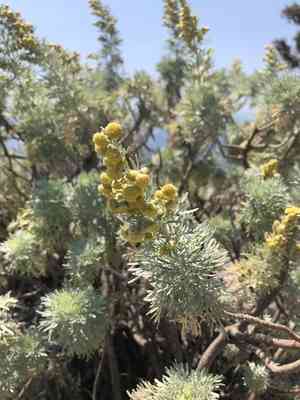
This arid-resistant, perennial bush is recognized for its silvery leaves and golden blossoms. For tree wormwood, perform a severe trim in late winter to preserve its form and stimulate dense development. Eliminate aged wood and any lifeless or ailing stalks to foster robust, energetic sprouts. Consistent cutting aids in managing its expansion, boosts air movement, and strengthens its hardiness. Annual pruning corresponds with its developmental rhythm and readies it for the spring flowering period, thereby maximizing both its visual appeal and overall well-being.
Advantages of Trimming Tree Wormwood
Advantages of Trimming Tree Wormwood
Trimming tree wormwood encourages robust development and helps preserve its intended form, ensuring a sturdy framework capable of supporting its leaves and flowers.
Optimal Period for Pruning Tree Wormwood
Optimal Period for Pruning Tree Wormwood
Pruning tree wormwood in late winter, just prior to the start of spring growth, offers several advantages. During this period, the plant is inactive, reducing stress and minimizing sap loss. It also enables gardeners to effectively shape the plant, as the absence of leaves provides clearer visibility of its structure. Pruning before the spring growth surge also ensures rapid recovery and supports vigorous foliage and bloom production in the coming season. Additionally, removing dead or damaged wood at this time helps prevent disease and pests from infesting new growth. Late winter pruning aligns with tree wormwood's growth cycle, ensuring robust health and enhancing ornamental value.
Tools Required for Pruning Tree Wormwood
Hand Pruners
Perfect for severing stems up to ¾ inches thick. They ensure clean cuts without harming the branches of tree wormwood.
Lopping Shears
Appropriate for branches thicker than ¾ inches but less than 1½ inches, which may appear as tree wormwood matures or when shaping the shrub.
Pruning Saw
Essential for removing any branches exceeding 1½ inches in diameter, allowing for controlled cuts on mature tree wormwood.
Hedge Shears
Useful for shaping tree wormwood if a formal hedge appearance is desired. Good for shearing small, soft growth to maintain design.
Gloves
Hand protection while pruning tree wormwood, as some species may have skin irritants or sharp foliage.
Pruning Snips
Best for detailed work and deadheading small, delicate shoots of tree wormwood.
How to Prune Tree Wormwood
Sanitize Pruning Tools
Before beginning pruning on tree wormwood, ensure all pruning tools are clean and sharp to make clean cuts and prevent the spread of diseases.
Remove Withered Leaves
Carefully remove any withered leaves from tree wormwood, which are typically dry and brown, to promote healthier growth and improve air circulation.
Cut Dead Branches
Identify and trim all dead branches, characterized by a lack of leaves and brittle texture. Make cuts just above a live bud or branch at a 45-degree angle to promote healing and new growth.
Prune Diseased Branches
Examine tree wormwood for any diseased branches, marked by unusual coloration or texture, and prune them back to healthy tissue. Ensure to disinfect tools between cuts to prevent contamination.
Shape Plant
Finally, lightly shape tree wormwood by selectively pruning overgrown or awkwardly placed branches to maintain the desired plant form and size.
Common Pruning Errors with Tree Wormwood
Excessive Pruning
Removing too much foliage at once can stress tree wormwood, leading to poor growth or vulnerability to pests and diseases.
Inadequate Tools
Using dull or dirty tools can cause damage to the branches, increasing the risk of infection.
Flush Cutting
Pruning branches flush to the main stem can cause damage to the plant collar, delaying wound healing and making tree wormwood susceptible to diseases.
Neglecting Dead Material
Failing to regularly remove dead or diseased material can negatively impact the health and appearance of tree wormwood.
Improper Cut Angle
Cutting at the wrong angle may cause water to accumulate on the cut surface, increasing the risk of disease in tree wormwood.
General Pruning Advice for Tree Wormwood
Clean Tools
Ensure pruning tools are clean and sharp to make precise cuts that heal quickly, preventing disease in tree wormwood.
Selective Pruning
Aim to selectively prune branches that are dead, diseased, or crossing to promote air circulation and light penetration for a healthier tree wormwood.
Three Cut Method
For removing larger branches, use the three-cut method to prevent tearing: make an undercut away from the branch collar, then a top cut further out, and finish by cutting through the branch just outside the branch collar.
Angled Cut
Make pruning cuts at a slight angle, away from the bud to direct new growth and prevent water accumulation.
Moderate Reshaping
Reshape tree wormwood moderately to maintain its natural shape, rather than over-pruning to force a particular shape, which can stress the plant.



