How to Prune Artemisia anomala?
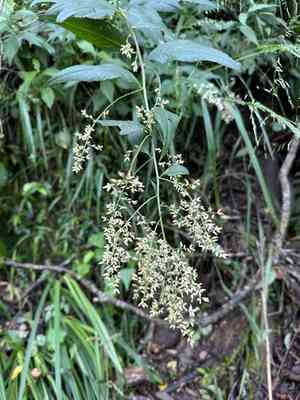
Artemisia anomala benefits most from pruning in late winter or early spring to foster vigorous development and form. Remove any lifeless or compromised branches, and reduce crowded sections to enhance air movement. Consistent trimming stimulates abundant blooms and deters excessive expansion. When performing cuts, position them just above healthy buds to encourage fresh shoots. Always sanitize pruning implements to prevent the spread of pathogens. These methods guarantee the plant stays robust and retains its aesthetic appeal.
Advantages of Trimming Artemisia Anomala
Advantages of Trimming Artemisia Anomala
Artemisia anomala thrives with trimming, fostering robust and vigorous development, helping to preserve its form, and managing its dimensions. Regular trimming improves air circulation, reducing pests and illnesses, while promoting a strong, visually pleasing plant.
Optimal Period for Trimming Artemisia Anomala
Optimal Period for Trimming Artemisia Anomala
Trimming or shaping artemisia anomala during early spring or late winter is ideal for several reasons. Pruning at these times allows the plant to direct its energy towards new growth during its active period. In late winter, the plant remains dormant, minimizing stress on artemisia anomala and lowering the risk of infection or pest infestation. Furthermore, pruning just before the start of the growing season in early spring ensures artemisia anomala can recover swiftly, encouraging strong and healthy new growth. This timing also avoids disrupting the plant's blooming cycles, guaranteeing a full display of flowers when the season arrives.
Required Tools for Trimming Artemisia Anomala
Hand pruners
Perfect for making precise cuts on smaller branches and stems of artemisia anomala, crucial for shaping and maintaining health.
Pruning shears
Useful for thicker stems that hand pruners cannot manage, enabling clean and efficient cuts.
Loppers
Essential for reaching and cutting larger, more established branches too thick for hand pruners or pruning shears.
Pruning saw
Important for handling very thick branches or for more substantial pruning tasks, ensuring smooth cuts without harming the plant.
Gloves
Crucial for protecting hands from sharp tools and potential irritants from artemisia anomala, ensuring safe pruning practices.
How to Trim Artemisia Anomala
Inspect
Carefully examine artemisia anomala for any indications of diseased or withered leaves. Look for discoloration, spots, or clear signs of decay on the foliage.
Sanitize
Before pruning, ensure your pruning tools are clean and sterilized to prevent the spread of pathogens. Use a solution of one part bleach to 10 parts water or rubbing alcohol.
Remove diseased leaves
Use sterilized pruning shears to cut off any diseased leaves. Cut as close to the base of the leaf stem as possible without damaging the main stem of artemisia anomala. Dispose of these leaves properly to avoid reinfection.
Remove withered leaves
Trim away withered or dead leaves with clean cuts close to the base. This encourages the plant to direct energy towards healthy growth and prevents potential pest infestations.
Clean up
Once pruning is complete, remove all debris from the area around artemisia anomala. Properly discard the pruned parts to maintain a healthy garden environment and minimize the risk of disease spread.
Common Trimming Errors with Artemisia Anomala
Incorrect technique
Using the wrong cutting tools or improper cutting angles can damage the plant, leading to poor regrowth or disease.
Over-pruning
Removing too much foliage can stress the plant, affecting its overall health and growth.
Pruning at the wrong time
Without considering the specific growing patterns of artemisia anomala, pruning at an inopportune time can lead to poor regrowth or loss of blooms.
Ignoring plant structure
Cutting without a plan can ruin the natural shape of artemisia anomala, making it look uneven or unbalanced.
Not sanitizing tools
Using dirty or contaminated tools can spread diseases and pests to artemisia anomala.
General Trimming Advice for Artemisia Anomala
Use sharp, clean tools
Ensure your pruning shears or scissors are sharp and sanitized to make clean cuts and prevent the spread of disease.
Cut at the right angle
Make cuts at a 45-degree angle away from the bud, which helps water run off and reduces the risk of disease.
Follow the natural shape
Prune to maintain the natural form of artemisia anomala, which promotes healthy growth and an aesthetically pleasing appearance.
Thin selectively
Remove dead, damaged, or crossing branches to improve air circulation and light penetration, which boosts the health of artemisia anomala.
Prune lightly
For most routine maintenance, lightly trim back growth rather than taking off large sections. This minimizes stress and encourages steady growth.



