How to Prune Sweet wormwood?
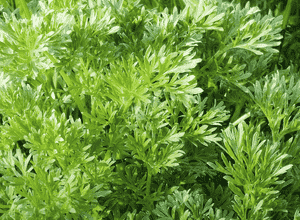
This rapidly developing, fragrant herb is recognized for its therapeutic qualities and delicate, fern-like leaves. For sweet wormwood, trimming ought to concentrate on reducing growth to foster a denser form, eliminating deceased or compromised stalks, and shearing after blooming to stimulate a subsequent flowering period. Optimally, trimming takes place in spring to sculpt the plant, in summer to manage its dimensions, and in autumn to ready it for its winter resting phase. Consistent trimming boosts air movement, which can deter fungal infections and elevate the plant's overall health.
What Are the Benefits of Pruning Sweet Wormwood?
What Are the Benefits of Pruning Sweet Wormwood?
Trimming sweet wormwood promotes more vigorous development by reallocating energy to new shoots and helps maintain its desired form, ensuring an attractive and thriving plant.
What Is the Best Time for Pruning Sweet Wormwood?
What Is the Best Time for Pruning Sweet Wormwood?
Spring is optimal for trimming sweet wormwood as the plant emerges from dormancy, and cutting back at this time encourages healthy growth and strong branching. Early Summer allows for light trimming or pinching to foster bushier growth and prevent legginess, aligning with the plant's active growth phase. Early Fall is suitable for removing any faded flowers or seed heads to maintain plant vitality and appearance; however, extensive pruning should be avoided to prevent new growth that could be damaged by winter frosts.
What Tools Do I Need to Prune Sweet Wormwood?
Hand Pruners
Perfect for precise trimming of sweet wormwood's delicate stems, ensuring clean cuts without harming the plant. Suitable for routine upkeep needed to shape the plant and encourage denser growth.
Pruning Shears
Ideal for cutting back sweet wormwood when preparing for winter or reducing plant size for relocation or propagation. Their sharp blades can handle stems thicker than what hand pruners can manage.
Garden Scissors
Good for deadheading the spent flowers of sweet wormwood, allowing for a gentle approach that minimizes damage to nearby foliage and stems during the process.
Gloves
Protect hands from potential skin irritants or rough stems while trimming sweet wormwood. Gloves should be durable yet offer flexibility for handling smaller tools and making precise cuts.
How to Prune Sweet Wormwood
Sanitize
Before trimming sweet wormwood, disinfect all your pruning tools with a solution of 1 part bleach to 9 parts water to prevent the spread of diseases.
Remove Old Stems
Using sharp and sanitized pruning shears, cut back old stems of sweet wormwood to the base to encourage new growth. Ensure cuts are made at a 45-degree angle to prevent water accumulation.
Trim Wilted Foliage
Carefully remove wilted and discolored foliage from sweet wormwood to maintain plant health and appearance. Make cuts close to the stem to avoid leaving stubs that could attract pests or disease.
Thin Lower Leaves
Thin out the lower leaves of sweet wormwood, especially if they show signs of yellowing or damage. This improves air circulation and reduces the risk of fungal infections.
Clean Up
Dispose of all removed plant material away from sweet wormwood to minimize the risk of pest infestation or disease transmission. Clean the pruning tools once again after completion.
Common Pruning Mistakes with Sweet Wormwood
Over Pruning
Removing too much foliage at once can stress sweet wormwood, leading to stunted growth or a weakened plant that becomes susceptible to pests and diseases.
Cutting Too Close
Cutting too close to the main stem or buds can damage sweet wormwood, potentially causing disease entry points or stunting new growth.
Using Dull Tools
Employing dull or dirty pruning tools can result in jagged cuts and increase the risk of infection in sweet wormwood.
Ignoring Dead Material
Neglecting to remove dead or diseased foliage can hamper the overall health and appearance of sweet wormwood, as it may spread disease or invite pests.
Pruning Without A Plan
Random or impulsive cuts can lead to an unbalanced shape and may not promote the desired growth patterns in sweet wormwood.
Common Pruning Tips for Sweet Wormwood
Sanitization
Before and after trimming sweet wormwood, always use clean, sharp tools to minimize the risk of spreading diseases and to ensure clean cuts that heal quickly.
Selective Pruning
Focus on thinning out dense areas to improve air circulation and sun exposure throughout sweet wormwood, which promotes healthier and more robust plants.
Consider Plant Structure
When trimming sweet wormwood, maintain an even plant structure by removing crossing branches that could damage each other and promote an open center for better light penetration.
Timing Spent Blooms
For best flowering results, remove spent blooms promptly to encourage sweet wormwood to produce new flowers and potentially extend the blooming period.
Regulate Growth
To control the size and shape of sweet wormwood, prune regularly but always leave a good amount of foliage to support ongoing plant health and photosynthesis.



