How to Prune Black chokeberry?
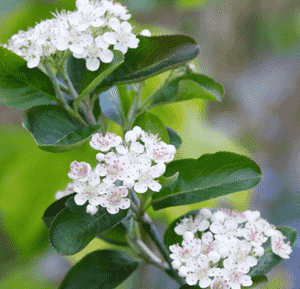
The black chokeberry, a deciduous shrub celebrated for its abundant fruit and striking autumn leaves, flourishes with careful, deliberate trimming. Optimal pruning involves eliminating aged, frail, or lifeless branches, while thinning the plant's core improves light exposure and airflow, fostering more robust development. Performed most effectively in early spring, this practice stimulates prolific berry output and preserves an appealing form. Essential maintenance includes sanitizing implements to avert pathogen spread and refraining from excessive cutting to guarantee generous fruit harvests.
Advantages of Trimming Black Chokeberry
Advantages of Trimming Black Chokeberry
Trimming black chokeberry promotes robust new development and sustains a desired shape. It revitalizes the plant, stimulates blooming and fruit production, and aids in establishing a sturdy, healthy framework resistant to pests and illnesses.
Optimal Period for Trimming Black Chokeberry
Optimal Period for Trimming Black Chokeberry
Pruning in early spring aligns with black chokeberry's dormant phase, typically concluding as temperatures rise but before new growth emerges. This timing minimizes stress on black chokeberry, allowing the plant to recover swiftly without diverting energy from developing leaves and flowers. Furthermore, trimming black chokeberry prior to its growth cycle helps prevent diseases from taking hold in fresh cuts during warmer, more humid conditions. It also facilitates the removal of any winter damage and shaping the plant to encourage strong growth for the year. Since black chokeberry flowers on old wood, early spring pruning ensures that the upcoming season's buds, formed the previous year, are not removed, thus preserving the plant's fruiting potential.
Necessary Tools for Trimming Black Chokeberry
Hand Pruners
Black chokeberry is a relatively small, multi-stemmed shrub, making hand pruners ideal for clean cuts on branches up to ¾ inches in diameter.
Lopping Shears
For branches slightly too thick for hand pruners, lopping shears offer the leverage needed to cut through black chokeberry's branches between ¾ inches and 1½ inches in diameter.
Pruning Saw
For older black chokeberry shrubs with branches exceeding 1½ inches, a pruning saw is essential for larger cuts without harming the plant.
Gloves
To shield hands from thorns and rough bark while trimming black chokeberry, gloves are indispensable.
Pruning Sealer
While black chokeberry generally heals well after pruning, a pruning sealer can be applied to larger cuts to promote healing and deter diseases.
Method for Trimming Black Chokeberry
Step1: Examine for Dead, Diseased, and Broken Limbs
Inspect black chokeberry for any dead wood, diseased limbs, and broken branches before commencing the trimming process. Look for limbs that are clearly deadâthey will lack leaves during the growing season, and the wood will be brittle and discolored.
Step2: Sanitize Pruning Tools
Sanitize your pruning tools with a solution of 1 part bleach to 9 parts water to prevent disease transmission during cutting. Rinse tools with clean water and dry thoroughly before use.
Step3: Remove Dead Wood with Angled Cuts
Begin by removing any dead wood. Make pruning cuts at a 45-degree angle just above an outward-facing bud, approximately 1/4 inch from the bud, to encourage new growth away from the center of black chokeberry.
Step4: Prune Diseased Limbs to Healthy Wood
Identify and trim out diseased limbs. Look for limbs with unusual growths, discoloration, or signs of fungal infection. Cut the diseased branch back to healthy wood, well below the affected area. If the entire branch is affected, remove it at its point of origin.
Step5: Cut Broken Branches Cleanly
Remove broken branches by making a clean cut just above a lateral branch or bud, or back to the main trunk if necessary. Avoid leaving stubs as this can encourage pest and disease issues.
Step6: Shape Maintenance and Thinning
Prune to maintain black chokeberry's natural shape. Thin out the plant's center to enhance sunlight penetration and air circulation. Periodically step back to evaluate your work and ensure black chokeberry's form remains balanced and appealing.
Step7: Hard Prune for Rejuvenation if Necessary
If rejuvenation is required, black chokeberry can withstand hard pruning. Remove up to one-third of the oldest, thickest stems almost to the ground to stimulate new, vigorous growth.
Step8: Cleanup of Pruning Trimmings
After pruning, clear away all trimmings from around black chokeberry to prevent any potential spread of pests or diseases that might be present on the removed plant material.
Step9: Fertilize after Pruning
Apply a balanced, slow-release fertilizer around the base of black chokeberry after pruning to support healthy regrowth, unless it is late in the growing season which could prompt new growth that is vulnerable to winter damage.
Step10: Water Plant Thoroughly Post-Pruning
Water black chokeberry thoroughly after pruning, especially if you have performed significant cutting. This aids black chokeberry in recovery and settling after the stress of pruning.
Post-Trimming Care for Black Chokeberry
Post-Trimming Care for Black Chokeberry
Immediately after trimming, water black chokeberry sufficiently to assist healing. Position black chokeberry in a spot with moderate light to prevent sunscald and maintain stable temperatures and humidity levels conducive to recovery. Apply a balanced fertilizer to replenish nutrients; however, avoid over-fertilization which can stress black chokeberry. Regularly check for signs of distress or disease, such as wilted leaves or discolored bark. If symptoms appear, adjust care and potentially consult a plant health expert to address any issues promptly.
Common Trimming Errors with Black Chokeberry
Ignoring Old Branch Removal
Failing to remove old and woody branches, which can lead to a dense, less productive black chokeberry with reduced airflow and light penetration.
Excessive Pruning Stress
Trimming too much at once, which can stress black chokeberry and result in a weaker plant more susceptible to pests and diseases.
Improper Cut Placement and Length
Making cuts too close to the main stem or leaving too long a stub, both of which can harm black chokeberry by hindering proper healing and potentially leading to disease entry.
Common Trimming Advice for Black Chokeberry
Regular Maintenance of Dead and Damaged Branches
Regularly remove dead, diseased, or broken branches to maintain black chokeberry's health and aesthetic appeal.
Proper Angled Cuts for Outward Growth
When thinning out black chokeberry, make cuts at a slight angle about 1/4 inch above an outward-facing bud or branch to promote outward growth and better shape.
Old Stem Removal for Rejuvenation
Encourage rejuvenation and vigorous growth by periodically removing some of the oldest stems at ground level, which stimulates new shoots from the base.



