How to Prune Sea thrift?
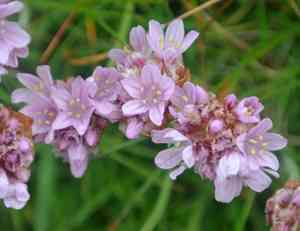
Recognized for its lively mound of grass-like leaves and spherical blossoms, Armeria maritima flourishes with careful pruning. Swiftly remove faded flowers to stimulate additional blooming. Trim back the foliage in the springtime to preserve a dense shape. Perform pruning whenever necessary to eliminate any dead or compromised leaves. Consistent trimming fosters robust development, discourages infestations, and guarantees an abundance of its distinctive vibrant globes on bare stems.
What Are the Benefits of Pruning Sea Thrift?
What Are the Benefits of Pruning Sea Thrift?
Trimming sea thrift promotes abundant flowering and vigorous development, while preserving a dense, appealing shape.
What Is the Best Time for Pruning Sea Thrift?
What Is the Best Time for Pruning Sea Thrift?
The ideal period for trimming sea thrift is following its primary flowering phase in late spring or early summer. This timing coincides with the conclusion of sea thrift's blooming cycle, thus ensuring that cutting does not negatively impact the floral display. Pruning at this time also encourages healthy growth and allows sea thrift to recuperate and produce new leaves during the growing season. It is crucial to avoid pruning in late autumn or winter, as sea thrift needs time to establish growth before the cold season. Pruning in the correct season also reduces the risk of disease and stress for sea thrift, leading to robust growth in the subsequent season.
What Tools Do I Need to Prune Sea Thrift?
Hand Pruners
Sea thrift is a small, clump-forming, evergreen perennial, so hand pruners or secateurs are perfect for snipping off spent flower stalks and tidying the plant. These tools enable precise cuts without harming surrounding foliage.
Scissors
For more delicate trimming needs, such as removing small or dead leaves, gardeners can utilize a pair of sharp scissors. They offer superior control for detailed work on sea thrift.
Gloves
Though not a cutting implement, gloves are vital for safeguarding the gardener's hands from sharp edges and rough plant material when trimming sea thrift.
Cleaning Material
To prevent disease transmission, it's important to sanitize pruning tools before and after use. Employing rubbing alcohol or a bleach solution helps keep the tools disinfected when working with sea thrift.
How to Prune Sea Thrift
Step1: Inspecting Plant for Removal Areas
Examine sea thrift for spent flower heads and diseased sections that require trimming. This will encourage healthy development and prevent disease spread.
Step2: Preparing Sterilized Pruning Tools
Gather your trimming tools, which should include a pair of clean, sharp scissors or secateurs. Sterilize the cutting implements before use to ensure they do not transfer diseases from other plants to sea thrift.
Step3: Identifying Dead Flower Heads
Locate the faded flower heads. These will appear dull, dry, and will have lost their vibrant hue. Cutting these back will stimulate new growth and potentially a second bloom.
Step4: Precision Cutting Below Dead Heads
To remove the spent flower heads, make precise cuts directly beneath the flower head at the base of its stem, being careful not to damage the rosette of foliage at the plant's base.
Step5: Removing Diseased Foliage and Stems
Inspect sea thrift for any yellow, brown, or black foliage and stems which may indicate illness or damage. Prompt removal is crucial to prevent the issue from spreading to healthy parts.
Step6: Cutting Back to Healthy Tissue
Trim back the diseased sections to the point of healthy tissue, ensuring each cut is clean and avoiding jagged edges that can serve as entry points for pests or disease.
Step7: Proper Disposal of Pruned Material
Properly discard the trimmed dead flower heads and diseased material. Do not compost as this could spread disease. Remove all debris from the surrounding soil area to minimize infection risk.
Step8: Watering Post-Pruning for Disease Prevention
After trimming, water sea thrift at the base to avoid wetting the foliage, which can lead to fungal diseases. Ensure that the soil has good drainage to prevent waterlogging.
Step9: Monitoring Plant Health Post-Pruning
Observe sea thrift after pruning for indications of new growth and vitality. Regular inspection will show if further upkeep is needed and will help detect any new disease occurrences early.
Post-Pruning Care for Sea Thrift
Post-Pruning Care for Sea Thrift
Following sea thrift pruning, ensure it's placed in an environment conducive to recovery with moderate sunlight, as excessive exposure can stress the plant. Maintain consistent moisture without waterlogging and protect against extreme temperature fluctuations. Fertilize with a balanced, slow-release feed to replenish nutrients. Regularly check sea thrift for signs of distressâwilting, discoloration, or rotâand respond promptly by adjusting care or consulting a plant health expert if an issue arises.
Common Pruning Mistakes with Sea Thrift
Over-pruning - Removing Too Much Foliage
Trimming too aggressively, removing excessive foliage and flowers which can shock sea thrift and impede its ability to flourish.
Damaging Plants with Poor Tools
Utilizing dull or dirty trimming tools that can harm the stems of sea thrift and introduce disease to the plant.
Ignoring Growth Patterns
Pruning without understanding the growth habit of sea thrift, leading to an imbalance in plant shape and reduced flowering potential.
Common Pruning Tips for Sea Thrift
Clean Cuts with Sharp Shears
Use sharp, clean pruning shears to make precise cuts that will help promote faster healing for sea thrift.
Pruning for Reblooming
Focus trimming efforts on removing dead or faded flowers to encourage new blooms and prevent self-seeding if not desired.
Light Pruning for Compact Shape
Shape sea thrift by pruning lightly to maintain a compact, rounded form and to enhance its natural cushion-like appearance.



