How to Prune Dutchman's pipe?
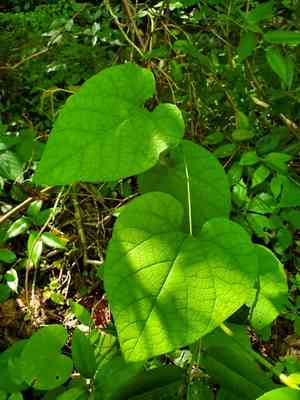
This enduring climbing plant, featuring expansive heart-shaped foliage and distinctive pipe-like blossoms, flourishes with judicious trimming. Optimal pruning occurs in late winter or early spring, where any deceased or compromised sections of dutchman's pipe should be excised to preserve the plant's vitality and form. Executing cuts just prior to the commencement of the growing period stimulates robust new development and enhances bloom production. Always sanitize implements to avert pathogen transmission and guarantee precise incisions for superior recuperation.
What Are the Benefits of Pruning Dutchman's Pipe?
What Are the Benefits of Pruning Dutchman's Pipe?
Trimming dutchman's pipe promotes robust development and maintains its desired shape. Precise cuts encourage new shoots, boosting the plant's vigor and visual appeal. Controlling excessive growth prevents disheveled spread and supports structural soundness.
What Is the Best Time for Pruning Dutchman's Pipe?
What Is the Best Time for Pruning Dutchman's Pipe?
Pruning dutchman's pipe in late winter or early spring is beneficial as the plant remains dormant before new growth begins. This timing avoids undue stress, allowing rapid recovery and energy redirection into new growth. Pruning during these seasons reduces disease or pest risk, which is higher in warmer weather. Additionally, removing old growth before leaf-out simplifies viewing dutchman's pipe's structure, ensuring more precise and efficient pruning. This careful timing aligns with dutchman's pipe's natural cycle, fostering strong health, and abundant foliage and blooms in the subsequent season.
What Tools Do I Need to Prune Dutchman's Pipe?
Hand Pruners
Perfect for making clean cuts on branches up to ¾ inch in diameter. Dutchman's pipe's thinner stems during early development are easily managed with this tool.
Loppers
Suitable for cutting through thicker stems and branches up to 1½ inches in diameter that dutchman's pipe may develop. The extended handles offer leverage and allow access to denser foliage.
Pruning Saw
When dutchman's pipe has mature, woody stems exceeding 1½ inches in diameter, a pruning saw is essential for clean cuts without harming the plant.
Garden Shears
For shaping and trimming dutchman's pipe's foliage, especially its large leaves, garden shears can quickly manage overgrown areas, maintaining the desired form.
How to Prune Dutchman's Pipe
Clean tools
Before beginning the pruning process, sanitize all cutting implements with a solution of one part bleach to nine parts water to prevent disease transmission.
Inspect plant
Carefully examine dutchman's pipe to identify diseased and withered leaves. Look for any signs of discoloration, spots, or decay indicating poor health.
Remove diseased
Using the sterilized pruning shears, carefully cut away any diseased leaves at their base where they meet the stem. Ensure not to damage the healthy parts of dutchman's pipe.
Prune withered
Locate withered leaves on dutchman's pipe and prune them off at their base. These are typically older leaves that have completed their life cycle.
Dispose waste
Collect and dispose of all removed diseased and withered leaves in a way that prevents them from contacting other plants to avoid the spread of potential pathogens.
Common Pruning Mistakes with Dutchman's Pipe
Over pruning
Removing too much growth from dutchman's pipe can weaken the plant and reduce its flowering capacity. It's crucial to avoid cutting back more than one-third of the plant during a pruning session.
Improper cut locations
Cutting into older, woody stems or making cuts too far from leaf nodes can hinder proper healing and regrowth. Ideal cuts are made just above leaf nodes or buds.
Using dull tools
Pruning with dull or dirty tools can cause damage and disease to dutchman's pipe's stems. Always use sharp, clean pruning equipment.
Neglecting to shape
Failure to strategically shape dutchman's pipe can lead to an untidy appearance and poor air circulation within the plant, which may encourage disease.
Ignoring health issues
Overlooking signs of disease or pest infestations during pruning can allow problems to spread. Any diseased or infested material should be removed and destroyed.
Common Pruning Tips for Dutchman's Pipe
Health check
Before pruning, inspect dutchman's pipe for signs of disease or damage. Remove only the affected areas to prevent the spread of issues and maintain plant health.
Selective pruning
Focus on thinning out dense areas and removing any dead or weak stems to improve air circulation and light penetration, encouraging a healthier and more robust dutchman's pipe.
Cut angle
Make cuts at a 45-degree angle just above a leaf node or bud facing outward, promoting outward growth and preventing water accumulation that can lead to disease.
Aftercare
After pruning, provide dutchman's pipe with adequate water and possibly a balanced fertilizer to support recovery and new growth.
Conservative approach
Especially for those new to pruning dutchman's pipe, it is better to err on the side of caution and prune less rather than more. You can always trim more later if needed.



