How to Prune Birthwort?
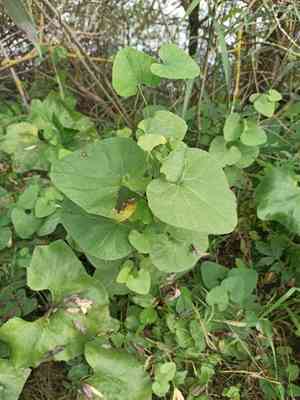
Distinguished by its cordate foliage and tubular blossoms, birthwort thrives with consistent trimming to foster robust development and air circulation. Perform pruning in late spring or early summer subsequent to blooming to preserve its form and eliminate any lifeless or ailing stalks. When shaping, execute precise incisions directly above the foliar nodes. Trimming stimulates energetic growth and can improve subsequent floral displays, yet consistently employ sanitized implements to avert pathogen dissemination.
What Are the Benefits of Pruning Birthwort?
What Are the Benefits of Pruning Birthwort?
Trimming birthwort encourages robust development, sustaining its vitality. It also aids in preserving the plant's desired form, boosting its visual appeal in the garden.
What Is the Best Time for Pruning Birthwort?
What Is the Best Time for Pruning Birthwort?
The ideal period for trimming birthwort typically occurs from late spring to early summer. Pruning at this time aligns with the post-blooming phase, enabling the plant to conserve energy for its subsequent growth cycle. It also provides birthwort ample time to recover before winter's arrival, lessening the risk of stress or frost damage. Late spring pruning minimizes disruption to the plant's natural growth pattern and ensures that any emerging shoots have the entire growing season to mature. Furthermore, pruning during this period will help maintain the desired shape and size and promote healthy growth by removing any dead or diseased tissue that may have accumulated over the winter.
What Tools Do I Need to Prune Birthwort?
Hand Pruners
These are crucial for birthwort due to their capacity to make clean cuts on smaller stems. It's advisable to use bypass pruners, which create precise cuts and foster healthy regrowth.
Pruning Saws
For birthwort, where thicker stems or branches might be present, a pruning saw is appropriate. It's designed to cut on the pull stroke, reducing effort and providing a clean cut without harming the plant.
Loppers
Loppers can be utilized on birthwort for branches that are too thick for hand pruners but not substantial enough to require a saw. Their long handles provide leverage for easier cutting.
Shears
Perfect for shaping birthwort and trimming clusters of slender stems. Hedge shears can be employed for quick shaping of the plant if it's being maintained as a hedge or for aesthetic purposes.
Gloves
Wearing gloves is important when pruning birthwort to safeguard hands from cuts and any potential irritants in the plant's sap.
How to Prune Birthwort
Disinfect tools
Before trimming birthwort, ensure all pruning tools are cleaned and disinfected to prevent disease transmission.
Remove diseased leaves
Carefully remove any diseased leaves from birthwort by cutting them at the base of the leaf stem, taking care not to harm healthy tissue.
Trim withered leaves
Trim away withered leaves to preserve birthwort's appearance and redirect resources toward healthy development. Use sharp pruning shears for clean cuts without tearing the plant's tissue.
Cut diseased stems
Identify and cut back diseased stems on birthwort to the point of healthy tissue. Make angled cuts to facilitate water runoff and prevent rot.
Cleanup
Gather and dispose of all pruned material away from birthwort to lessen the risk of disease spreading or pests being drawn to the plant debris.
Common Pruning Mistakes with Birthwort
Over-pruning
Excessive pruning can be harmful as birthwort needs leaves for photosynthesis and energy storage. Removing too many branches or leaves can stress the plant, impeding its overall health and growth.
Improper cutting
Incorrect cutting technique can damage birthwort, leading to poor healing and increased vulnerability to disease. Cuts should be made at the correct angle and position to promote swift recovery.
Pruning healthy growth
Unnecessarily removing new or healthy growth can limit the plant's potential to thrive. It is crucial to identify the parts of birthwort that require pruning.
Using unclean tools
Pruning birthwort with dirty tools can spread disease. It's essential to clean and disinfect equipment before use to prevent contamination.
Neglecting dead or diseased stems
Failing to remove dead or diseased branches can allow problems to persist or spread, weakening birthwort.
Common Pruning Tips for Birthwort
Identify growth
Understand birthwort's growth habit to make informed decisions on which stems or leaves to prune for maintaining an optimal shape and size.
Cut above nodes
Make cuts just above leaf nodes to encourage new growth in the desired direction. This practice helps control birthwort's shape.
Prune selectively
Remove only the necessary parts, such as dead, damaged, or diseased tissue, to prevent over-pruning and ensure birthwort's vitality.
Use sharp tools
Employ sharp, clean pruning shears to make precise, clean cuts. This minimizes damage and allows for better healing in birthwort.
Periodic assessment
Regularly assess birthwort's health and structure to determine the need for pruning and to spot any issues early on.



