How to Prune Pine-land three-awn?
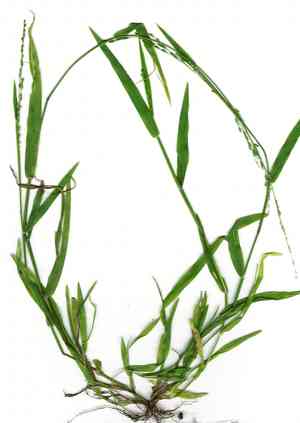
Recognized for its slender, grass-like foliage and hardiness, pine-land three-awn flourishes in porous, sandy substrates characteristic of pine flatwoods. Trimming is most effective in late winter or early spring when vegetation is dormant. This revitalizes the specimen by eliminating aged, lifeless leaves, fostering more robust and energetic development. Periodic trimming additionally aids in preserving its inherent form and deters the grass from expanding excessively, thereby safeguarding the visual charm and environmental equilibrium of your landscape.
What Are the Benefits of Pruning Pine-land Three-awn?
What Are the Benefits of Pruning Pine-land Three-awn?
Trimming pine-land three-awn encourages robust development and maintains its compact shape, vital in its typical sandy, low-nutrient environments. This ensures improved air circulation and sunlight exposure, crucial for its overall health and durability.
What Is the Best Time for Pruning Pine-land Three-awn?
What Is the Best Time for Pruning Pine-land Three-awn?
Pruning pine-land three-awn in early spring is beneficial as it allows for the removal of any winter frost damage before new growth begins. This timing helps direct energy towards producing healthy new growth instead of sustaining damaged or unproductive parts. Additionally, early spring pruning gives the plant time to recover before peak growth periods in late spring and summer. Winter pruning is ideal because the plant is dormant then. This reduces stress on pine-land three-awn as less energy is needed for growth, and the plant's structure is more visible, allowing for more precise cuts.
What Tools Do I Need to Prune Pine-land Three-awn?
Hand Pruners
Perfect for cutting the slender, fibrous stems of pine-land three-awn, providing accurate cuts that help preserve the plant's inherent form.
Grass Shears
Useful for trimming and shaping the delicate foliage of pine-land three-awn, enabling precise pruning without harming nearby plants or the grass itself.
Thinning Shears
Helpful for selectively reducing dense growths of pine-land three-awn to encourage better air movement and light penetration, essential for its health and vigor.
How to Prune Pine-land Three-awn
Identify
Locate the diseased and withered leaves on pine-land three-awn. Carefully inspect each grass clump to identify leaves showing signs of illness like discoloration, spots, or decay, and also find any dry and dead leaves.
Prepare
Get the right tools ready for pruning pine-land three-awn. Use sharp, clean scissors or shears to ensure precise cuts and prevent disease spread. Sanitize the blades before use by wiping them with rubbing alcohol or a bleach solution.
Cut
Carefully snip the diseased and withered leaves at their base where they emerge from the stem. Avoid pulling the leaves to prevent damaging the root system of pine-land three-awn. Make clean cuts close to the stem to promote quicker recovery.
Dispose
Properly discard the removed leaves. Do not compost diseased or withered leaves as they may contain pathogens that could spread to other plants. Seal them in a bag and dispose of them with household waste or according to local garden waste regulations.
Monitor
Observe pine-land three-awn after pruning for any indications of new growth or further issues. Regular checks will help in identifying additional leaves that might need removal and ensure the health of pine-land three-awn.
Common Pruning Mistakes with Pine-land Three-awn
Overpruning
Removing too much foliage from pine-land three-awn can stress the plant, hindering its ability to photosynthesize effectively. This might lead to reduced vitality and resistance against pests and diseases.
Inadequate tool sanitation
Using dirty tools can introduce infections to pine-land three-awn. Always clean and disinfect pruning tools before use to prevent the spread of diseases.
Incorrect cutting technique
Improper cuts can harm pine-land three-awn's delicate stems, potentially leading to dieback or disease entry. It's crucial to make clean, sharp cuts at the appropriate points.
Ignoring plant structure
Not considering the natural growth habit and structure of pine-land three-awn while pruning can result in a less aesthetically pleasing form and might impede its natural growth patterns.
Common Pruning Tips for Pine-land Three-awn
Use sharp tools
Always use sharp, clean pruning shears or scissors to ensure clean cuts that heal quickly, minimizing stress and disease risk.
Focus on dead or damaged stems
Trim away dead or damaged stems to encourage healthier growth and improve air circulation around pine-land three-awn's foliage, which can reduce the likelihood of disease.
Maintain natural form
When pruning pine-land three-awn, aim to preserve its natural, upright growth habit. Avoid excessive shortening of shoots, as this can lead to unnatural growth and reduced plant vitality.
Prune for density regulation
Thin out dense clumps of pine-land three-awn to ensure light and air penetration, which is crucial for the plantâs overall health and can enhance flowering in the long term.



