How to Prune Areca palm?
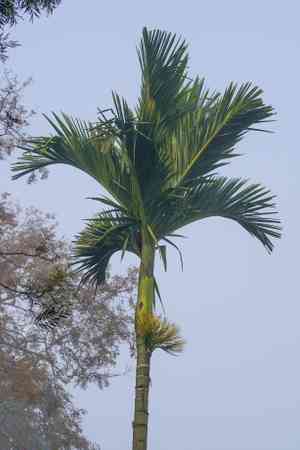
Distinguished by its feathery foliage and elongated, narrow stem, the areca palm flourishes with infrequent trimming. Eliminate discolored or deceased fronds and exhausted fruit groupings to preserve its appearance and well-being, ideally in early spring or late winter. Excising these components deters pest outbreaks and encourages robust development. Disinfect implements prior to use to avert the spread of pathogens. Exercise restraint in pruning, as excessive removal can diminish vigor and impede the growth rate of this perennial variety.
What Are the Benefits of Pruning Areca Palm?
What Are the Benefits of Pruning Areca Palm?
Trimming areca palm promotes robust development and maintains its desired form. Regular cutting prevents excessive growth, fosters a dense, appealing shape, and ensures the palm stays manageable and thriving.
What Is the Best Time for Pruning Areca Palm?
What Is the Best Time for Pruning Areca Palm?
Late winter and early spring are considered optimal periods for pruning areca palm, as these times coincide with the plant's dormant phase and its preparation for a growth surge. Pruning in late winter minimizes potential cold damage to new growth, as the plant is still inactive. As areca palm enters early spring, its growth cycle begins to activate, making it an opportune moment to shape the plant and remove any dead or dying fronds. This timing encourages healthier new growth and allows areca palm to recover from pruning before the stress of hotter months. Additionally, pruning before the start of areca palm's growing season ensures energy is directed to desired growth areas, enhancing the plant's overall vigor and aesthetic.
What Tools Do I Need to Prune Areca Palm?
Sharp Bypass Pruners
Perfect for making clean cuts on areca palm's thinner stems and fronds. The bypass blade design minimizes tissue damage, which is crucial for the plant's health.
Long-handled Loppers
Useful for reaching higher fronds and cutting through thicker stems that might be found at the base of areca palm. The extended handles provide better leverage for cleaner cuts with less effort.
Pole Pruner
Helpful for pruning areca palm's fronds that are out of reach from the ground. It eliminates the need for a ladder, offering safety and convenience for the gardener.
Gardening Gloves
Hand protection while pruning areca palm, as its fronds can have sharp edges that might cause cuts or irritation.
Pruning Saw
Essential for any older or woody stems on areca palm that have become too thick for pruners or loppers to handle. A pruning saw allows for precise cuts on these tougher stems.
How to Prune Areca Palm
Clean tools
Before pruning areca palm, sanitize all cutting tools with a mixture of one part bleach to nine parts water to prevent disease spread.
Inspect
Examine areca palm thoroughly to identify diseased and withered leaves that need removal. Avoid discarding healthy green fronds as they are vital for the plant's growth and health.
Cut diseased leaves
Using the sterilized cutting tools, carefully trim away diseased leaves by cutting at the stem's base. Make the cut clean and close to the trunk without causing damage.
Trim withered leaves
Similarly, remove withered leaves from areca palm by making a diagonal cut at the base of the leaf stem to encourage new growth and maintain a neat appearance.
Dispose
Properly discard all removed material by placing it in a trash bag to prevent the spread of any potential plant diseases.
Common Pruning Mistakes with Areca Palm
Over-pruning
Removing too many fronds from areca palm can stress the plant, leading to stunted growth or even death.
Pruning healthy fronds
Cutting healthy fronds unnecessarily can weaken areca palm as it relies on its foliage for photosynthesis.
Using dull tools
Pruning areca palm with dull blades can cause jagged cuts, making the plant more susceptible to pests and disease.
Dirty pruning tools
Neglecting to sterilize tools before use can spread disease between plants when pruning areca palm.
Incorrect cut placement
Making cuts too close or too far from the trunk can damage areca palm or lead to unsightly growth.
Pruning for shape
Attempting to shape areca palm through pruning is ineffective as it maintains its own natural shape and does not respond well to topiary.
Neglecting to remove dead fronds
Failing to regularly remove dead or dying fronds can hinder areca palm's growth and invite pests.
Common Pruning Tips for Areca Palm
Selective pruning
Focus on removing only yellow, brown, or broken fronds to encourage areca palm's health and appearance.
Sharp, clean cuts
Use sharp, sterile pruning tools to make clean cuts that will heal quickly and minimize stress on areca palm.
Cut angle
Trim fronds at an angle to prevent water accumulation on the cut surface, reducing the risk of rot or disease in areca palm.
Protective gear
Wear gloves and protective clothing since areca palm's fronds may have sharp edges that can cause injury.
Aftercare
Water areca palm after pruning to reduce stress and support recovery, especially if a significant number of fronds were removed.
Regular inspection
Regularly check areca palm for dead or damaged fronds as part of a proactive pruning approach to keep the plant healthy.
Pruning height
When cutting fronds, leave at least 2 inches of the base to protect the trunk and encourage proper healing for areca palm.



