How to Prune Shoebutton?
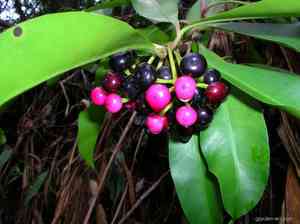
A tropical evergreen bush, shoebutton is recognized for its lustrous foliage and berries that transition from red to black. Essential pruning methods involve reducing older branches to improve air movement and eliminating deceased or ailing wood to preserve the plant's well-being. The most effective time for pruning is during winter, when the plant is inactive. Consistent trimming sculpts the plant and stimulates fresh development, boosting its aesthetic value. Pruning at the appropriate moment minimizes strain and deters the emergence of undesirable shoots.
What Are the Benefits of Pruning Shoebutton ?
What Are the Benefits of Pruning Shoebutton ?
Trimming shoebutton is essential for maintaining its vitality and desired form. Regular cutting promotes healthier, denser growth and keeps the plant well-proportioned, preventing excessive growth that could diminish its appearance or structural integrity.
What Is the Best Time for Pruning Shoebutton ?
What Is the Best Time for Pruning Shoebutton ?
Pruning shoebutton during the winter season aligns with the plant's dormant phase. This timing is beneficial as it minimizes stress on the plant and lowers the risk of disease and pest infestation, which are less active in colder temperatures. It also prepares shoebutton for vigorous growth in the spring, as pruning stimulates new growth that will benefit from the upcoming favorable conditions. Winter pruning helps maintain the health and shape of shoebutton and ensures that energy is directed towards the production of healthy foliage and fruiting bodies in the following season.
What Tools Do I Need to Prune Shoebutton ?
Hand Pruners
Perfect for making precise cuts on shoebutton 's thinner stems and branches. Hand pruners allow for close, clean cuts that promote rapid healing and reduce disease risk. Specifically, bypass pruners are preferred as they create a clean cut without crushing the stem.
Loppers
Most suitable for cutting thicker branches that hand pruners cannot manage. The long handles provide leverage for clean cuts on shoebutton 's branches up to two inches in diameter, which helps maintain the plant’s health and shape.
Pruning Saw
Required for removing larger branches that exceed two inches in thickness. A pruning saw will make these cuts efficiently without harming shoebutton 's surrounding growth, ensuring the plant can continue to thrive.
Hedge Shears
Useful for shaping shoebutton when it is grown as a hedge. They allow for trimming and shaping large sections evenly and quickly. However, they are only suitable for cutting fine twigs and foliage, not thicker branches.
Pruning Gloves
An essential safety item to protect the gardener's hands from thorns or sharp branches while pruning shoebutton . Durable gloves can prevent scratches and also provide a better grip on pruning tools.
How to Prune Shoebutton
Identify Diseased Or Dead Branches
Inspect shoebutton for any branches that appear dead, damaged, or diseased. Signs of disease may include discoloration, cankers, or abnormal growth.
Sterilize Tools
Before making any cuts, sterilize pruning tools using a solution of 1 part bleach to 9 parts water to prevent the spread of disease.
Prune Diseased Branches
Using sharp pruning shears, cut diseased branches back to healthy tissue, making the cut just above a lateral branch or bud. Ensure cuts are clean and angled to promote water runoff.
Remove Dead Branches
Carefully remove dead branches by cutting at the point where they meet healthy tissue, but avoid cutting into the main trunk or healthy branches.
Dispose Of Debris
Properly dispose of all removed material to prevent reinfection or infestation. Do not compost diseased branches.
Common Pruning Mistakes with Shoebutton
Overpruning
Removing too much foliage at once can stress shoebutton , leading to poor health or stunted growth. It is important not to remove more than one-third of the overall plant in a single pruning session.
Improper Cut Location
Cutting too far from a node or cutting into the node can hinder shoebutton 's ability to heal and produce new growth effectively.
Use Of Dull Tools
Using dull or unclean pruning tools can result in jagged cuts that may become entry points for pests and diseases. It can also damage the plant tissues rather than making a clean cut.
Neglecting To Prune
Failing to remove dead or diseased branches can cause shoebutton to waste resources on maintaining them and can spread disease throughout the plant.
Pruning Without A Plan
Random or excessive cuts without understanding the growth pattern of shoebutton can lead to a misshapen plant and affect its flowering potential.
Common Pruning Tips for Shoebutton
Clean Cuts
Always make clean, angled cuts just above a node or branch junction to encourage shoebutton to heal quickly and sprout new growth correctly.
Sanitize Tools
Before and after pruning shoebutton , sanitize all cutting tools to prevent spreading disease from one plant to another.
Thin Out Crowded Areas
Identify and thin out crowded branches to improve air circulation and sunlight penetration, which are essential for the health of shoebutton .
Remove Unhealthy Growth
Cut away any dead, diseased, or damaged branches to redirect shoebutton 's energy into producing robust and healthy growth.
Maintain Shape And Size
Prune shoebutton periodically to maintain its desired shape and size while being careful not to alter its natural growth habit overly.



