How to Prune King palm?
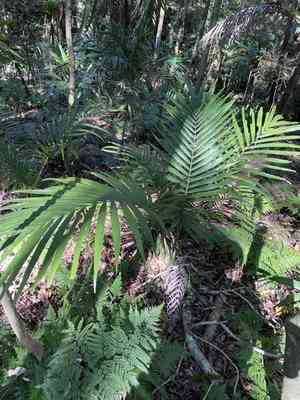
Hailing from tropical rainforests, the king palm features a lofty, narrow stem topped with an elegant canopy of pinnate leaves. Trimming entails detaching withered or discolored fronds and exhausted flower spikes, ideally carried out in late winter or early spring to lessen strain and bypass peak development phases. This targeted trimming improves visual appeal, fosters well-being by lowering the chance of fungal infections, and guarantees security by eliminating potential falling dangers. Always employ sanitized, keen implements to prevent harm to the king palm.
Advantages of Trimming King Palm
Advantages of Trimming King Palm
Trimming king palm encourages vigorous development and helps maintain its graceful appearance. Eliminating dead or crowded leaves improves air circulation, which can lower disease risk and foster a robust canopy.
Optimal Period for Trimming King Palm
Optimal Period for Trimming King Palm
Late winter to early spring is the best time for pruning or trimming king palm. These periods are ideal because king palm typically has reduced growth activity during the colder winter months, meaning the plant is less likely to suffer stress from pruning. Early spring is also suitable as it precedes the rapid growth phase many palm species experience in spring and summer, allowing the plant to recover quickly from pruning wounds and dedicate energy to new growth. Trimming during this window also helps remove any winter-damaged fronds before the start of the growing season, promoting healthier and more vigorous growth. Furthermore, pruning before the flowering or fruiting period enables king palm to allocate resources to the development of healthy flowers and fruits.
Required Tools for Pruning King Palm
Pole Saw
Given that king palm can reach considerable heights, a pole saw enables the gardener to safely access and prune higher fronds without needing a ladder.
Hand Pruner
For young or lower-hanging fronds, a sharp pair of hand pruners is appropriate for making clean cuts that will not harm the trunk or adjacent fronds.
Lopping Shears
For thicker, woodier fronds, lopping shears offer the necessary leverage to make cleaner cuts without straining the gardener's hands.
Safety Equipment (Gloves and Eye Protection)
When pruning king palm, it's crucial to safeguard one's hands from sharp fronds and shield eyes from falling debris.
How to Prune King Palm
Clean tools
Sanitize pruning tools with a solution of one part bleach to nine parts water to prevent the spread of diseases.
Inspect king palmN]
Examine king palm's foliage to identify diseased and withered leaves that require removal. Diseased leaves often display symptoms such as spots, discolored areas, or unusual growths.
Prune diseased leaves
Use the sterilized tools to cut diseased leaves at their base where they connect with the trunk or a healthy stem, taking care not to damage the trunk or adjacent growth.
Prune withered leaves
Remove withered leaves in the same manner, making cuts at the base to ensure a clean removal without leaving stubs that could lead to disease.
Dispose clusters
After pruning, gather and discard all removed leaf material to minimize the risk of disease spreading to king palm or other plants.
Common Pruning Errors with King Palm
Overpruning
Removing too much foliage from king palm can stress the plant, leading to poor health or growth. Excessive removal can expose the tree to sunburn and disease.
Improper cutting technique
Using dull tools or making jagged cuts can damage king palm's tissue, making it more vulnerable to pests and diseases. Clean, sharp cuts are essential for healthy pruning.
Pruning healthy fronds
Removing green, healthy fronds can deprive king palm of vital energy needed for growth. It's important to only remove fronds that are brown, yellow, or broken.
Neglecting tool hygiene
Not sanitizing pruning tools between uses can spread disease between king palm and other plants. Clean and disinfect tools to prevent this.
Incorrect disposal
Leaving pruned material at the base of king palm can attract pests and create a breeding ground for disease. Proper disposal of pruning debris is necessary to maintain plant health.
Common Pruning Advice for King Palm
Selective pruning
Carefully choose which fronds to prune, targeting only the lowermost brown or yellow fronds and leaving the green fronds intact for photosynthesis and energy.
Sharp tool usage
Use sharp, clean pruning tools to make smooth cuts, which promote quicker healing for king palm. This also reduces the likelihood of disease transmission.
Clean cut positioning
Cut fronds about 2-3 inches from the trunk to avoid damaging king palm's trunk, which could lead to rot or fungal infections.
Protective gear
Wear protective clothing such as gloves and safety glasses when pruning king palm to prevent injury from thorns and falling fronds.
Frond pull test
Perform a gentle pull test on loose or questionable fronds. If they come off easily, they are ready to be removed; if they resist, leave them be as king palm may still be using them for nutrients.



