How to Prune Alexandra Palm?
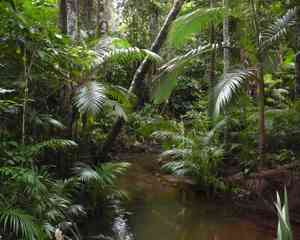
Originating from Australia, this tall palm species can reach heights of 30 meters, showcasing lustrous leaves and purple berries. For alexandra Palm, remove discolored yellow or brown fronds and faded flower groupings with disinfected, keen implements to preserve its appearance and well-being. Perform pruning in early spring or late winter, during its inactive period, to lessen strain. Trimming improves air movement and lowers the chance of illness. Refrain from excessive pruning; alexandra Palm needs only minor trimming, mainly for visual appeal or to eliminate dangers.
What Are the Benefits of Pruning Alexandra Palm?
What Are the Benefits of Pruning Alexandra Palm?
Trimming alexandra Palm promotes robust development and maintains its appealing shape. By carefully removing old fronds and flower stalks, plants redirect energy to new growth, fostering strong development and a neat look.
What Is the Best Time for Pruning Alexandra Palm?
What Is the Best Time for Pruning Alexandra Palm?
Pruning or trimming alexandra Palm in late winter or early spring coincides with the period just before the start of its growth cycle, while the plant is still inactive. This timing is ideal as it minimizes stress on alexandra Palm and allows for recovery and vigorous growth during the active season. Pruning in late winter helps eliminate any damaged or diseased fronds before new growth emerges, reducing the chance of pathogen spread. Additionally, trimming in early spring supports the plant's natural growth pattern, encouraging a healthy structure and appearance without hindering flower or fruit production. These seasons ensure the plant has enough energy to heal and produce new growth, leading to a strong and healthy alexandra Palm.
What Tools Do I Need to Prune Alexandra Palm?
Pole Pruner
Given the height of alexandra Palm, a pole pruner is crucial for reaching and safely cutting fronds that are too high to access from the ground.
Hand Pruner
For lower fronds and routine cuts, a sharp hand pruner can be used to make precise cuts on alexandra Palm, ensuring clean snips that encourage healthy regrowth.
Lopper
When fronds or stems are thicker and hand pruners are insufficient, loppers provide the extra leverage needed for cutting through the somewhat thicker material on alexandra Palm.
Chainsaw
For more extensive pruning or removal of larger sections of alexandra Palm, a chainsaw can be employed, especially when dealing with the trunk or very thick fronds. However, safety precautions are essential.
Saw
A saw may be necessary when dealing with medium to thick branches of alexandra Palm that are too large for loppers but do not require a chainsaw.
Safety Gear
While not a pruning tool, it is vital to include gloves and safety glasses to protect against the sharp fronds and debris when pruning alexandra Palm.
How to Prune Alexandra Palm
Sterilize Tools
Before pruning alexandra Palm, sanitize pruning tools with alcohol or a bleach solution to prevent the spread of disease.
Inspect
Carefully examine alexandra Palm to identify any diseased or withered leaves that require trimming. Look for any leaves that are discolored, spotted, or appear dried out.
Safety
Wearing safety gloves and using a stable ladder if needed, position yourself securely to reach the leaves of alexandra Palm without harming its trunk or healthy fronds.
Trim Diseased Leaves
Using the sterilized pruning tools, selectively trim diseased leaves by cutting them at their base where they meet the trunk of alexandra Palm. Ensure cuts are clean to minimize stress on the plant.
Trim Withered Leaves
Similarly, remove any withered leaves from alexandra Palm by trimming them at their base. Do not pull the leaves, as this can cause damage to the trunk or nearby healthy leaves.
Common Pruning Mistakes with Alexandra Palm
Overpruning
Removing too many fronds can stress alexandra Palm and impede its growth. The plant relies on its fronds for photosynthesis and energy production.
Pruning Green Fronds
Cutting green fronds can deprive alexandra Palm of vital nutrients. Only remove fronds that are brown, damaged, or diseased.
Improper Equipment
Using dull or dirty tools can create jagged cuts that are more prone to disease. It's crucial to use sharp, clean pruning shears or saws.
Cutting Too Close
Excessive trimming near the trunk can damage alexandra Palm's trunk and growth nodes, increasing the risk of disease and decay.
Ignoring Safety
Alexandra Palm can reach significant heights, which poses a risk of falling debris during pruning. Ensuring personal safety and that of the surroundings is paramount.
Common Pruning Tips for Alexandra Palm
Selective Pruning
Target only the fronds that are necessary to remove. Prune dead or dying fronds and those that are negatively affecting the plant's appearance, but leave healthy green fronds intact.
Clean Cuts
Make cuts at a slight angle away from the trunk to avoid damaging the main stem of alexandra Palm. Clean cuts promote better healing.
Tool Maintenance
Regularly clean and sharpen pruning tools to ensure clean cuts and reduce the risk of spreading disease to alexandra Palm.
Safety Measures
Use appropriate safety gear such as gloves, eye protection, and a hard hat when pruning alexandra Palm, and consider the use of a ladder or a professional tree service for tall specimens.
Dispose Of Debris
Properly dispose of all pruned fronds and debris to prevent the attraction of pests and to maintain good hygiene around alexandra Palm.
Annual Assessment
Conduct an annual checkup of alexandra Palm to determine its pruning needs, focusing on disease management and the plant's overall shape and health.



